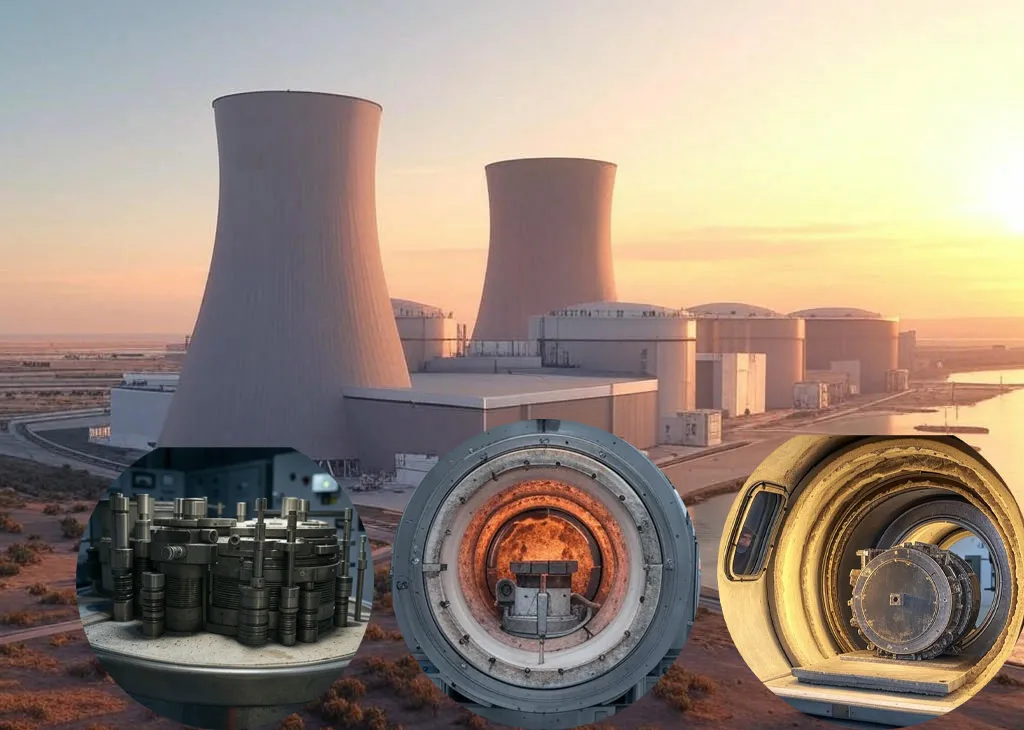
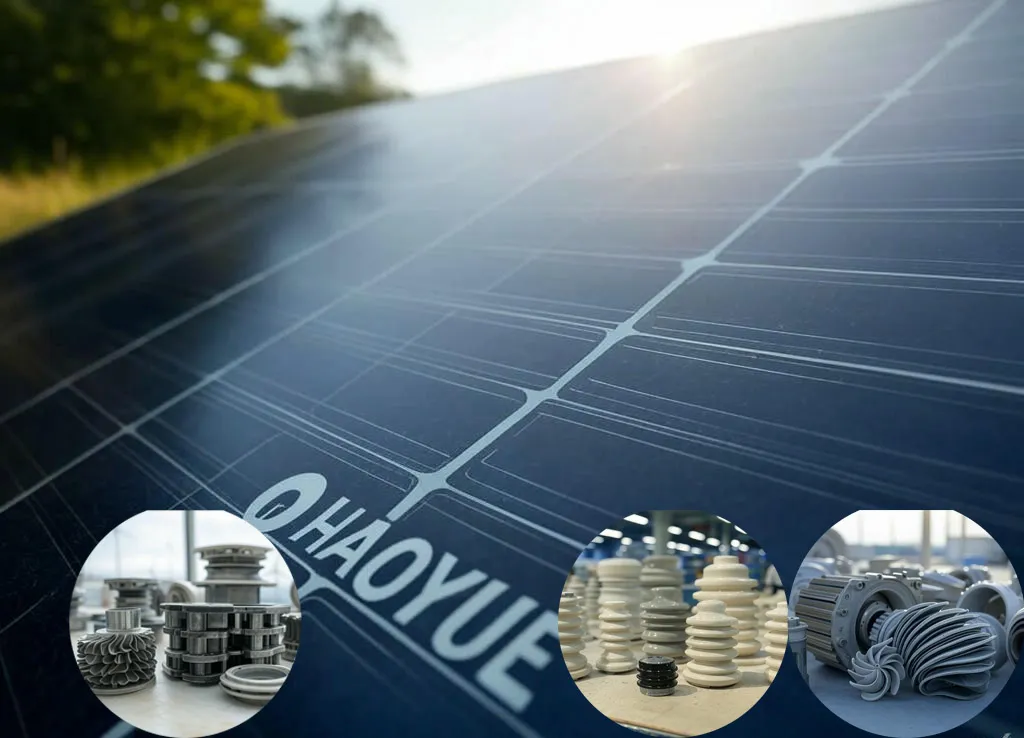
Enabling High-Efficiency Materials for Sustainable Technologies
1. Why Renewable Energy Requires Advanced Material Processing
The renewable energy sector depends heavily on high-performance materials to achieve:
- Higher energy conversion efficiency
- Longer service life
- Greater reliability under harsh conditions
Whether in:
- Solar power systems
- Wind turbines
- Battery technologies
- Fuel cells
👉 Material purity and microstructure directly impact performance.
This is why vacuum furnace technology is critical in modern renewable energy manufacturing.
2. Key Challenges in Renewable Energy Materials
Manufacturers often face:
- Oxidation during high-temperature processing
- Impurities reducing efficiency and lifespan
- Inconsistent microstructure affecting performance
- Difficulty controlling sensitive material reactions
- High requirements for density and structural integrity
👉 Conventional furnaces cannot meet the precision and purity required.
3. How Vacuum Furnaces Improve Renewable Energy Materials
Vacuum furnaces provide a clean, controlled, and high-temperature environment, ideal for advanced material processing.
Core Advantages:
- Oxygen-free processing for ultra-high purity
- Precise atmosphere control (vacuum + inert gases)
- Excellent temperature uniformity
- Removal of volatile impurities
- Consistent and repeatable sintering results
👉 These capabilities are essential for high-efficiency renewable energy components.
4. Key Applications in Renewable Energy
4.1 Solar Energy Materials
Used in:
- Silicon wafer processing
- CIGS and CdTe thin-film materials
Benefits:
- Reduced defects
- Improved efficiency
- Enhanced layer stability
4.2 Wind Energy Components
Applications:
- High-strength structural materials
- Permanent magnets for generators
Benefits:
- Improved mechanical strength
- Better magnetic performance
- Longer service life
4.3 Battery Materials (Lithium-ion & Beyond)
Used for:
- Cathode and anode materials
- Solid-state battery components
Benefits:
- Uniform particle size
- High phase purity
- Improved energy density and safety
4.4 Fuel Cell Materials (SOFC)
Applications:
- Ceramic electrolytes
- Electrodes
Benefits:
- Enhanced ionic conductivity
- Stable microstructure
- Improved efficiency
4.5 Thermoelectric Materials
Used for:
- Waste heat recovery systems
Benefits:
- Optimized microstructure
- Improved energy conversion efficiency
5. Haoyue Vacuum Furnace Solutions for Renewable Energy
G Series – Gas Pressure Sintering Furnace
Best for:
- High-density energy materials
- Battery and magnet materials
Solves:
- Porosity and density issues
- Inconsistent microstructure
Result:
- High-performance, durable materials
H Series – Vacuum Hydrogen Furnace
Best for:
- Oxide-sensitive materials
- High-purity processing
Solves:
- Oxidation and contamination
Applications:
- Battery materials
- Semiconductor-related materials
C Series – CVD/CVI Furnace
Best for:
- Thin films and coatings
Enables:
- Functional layers in solar cells
- Protective coatings
D Series – Vacuum Diffusion Bonding Furnace
Best for:
- Structural components
- Multi-material assemblies
Solves:
- Weak bonding
- Structural reliability issues
6. Typical Products and Applications
Vacuum furnace technology enables production of:
- Solar cell materials (Si, CIGS, CdTe)
- Lithium-ion battery materials
- Solid oxide fuel cell components
- High-performance magnets
- Thermoelectric materials
- Advanced ceramic components
7. Why Choose Haoyue
- Advanced vacuum and atmosphere control
- Excellent temperature uniformity
- Stable and repeatable processing
- Custom solutions for advanced materials
- Experience in high-purity and high-performance applications
👉 Helping customers achieve higher efficiency, longer lifespan, and better reliability
8. Conclusion
Vacuum furnaces are a key enabling technology in the renewable energy industry, supporting:
- High-efficiency energy materials
- Improved product durability
- Consistent production quality
- Innovation in next-generation energy technologies
As global demand for clean energy grows, vacuum furnace technology will become even more critical.
Call to Action
If you are working in renewable energy materials or components:
👉 Tell us your material, process, and application
👉 We will recommend the most suitable vacuum furnace solution