In the aerospace industry, achieving consistent part quality is a perpetual challenge. Manufacturers are often plagued by oxidation, contamination, and compliance risks during traditional heat treatment processes. This is where vacuum sintering comes into play, offering a transformative approach to enhancing product integrity and meeting stringent standards.
Understanding Vacuum Sintering Technology
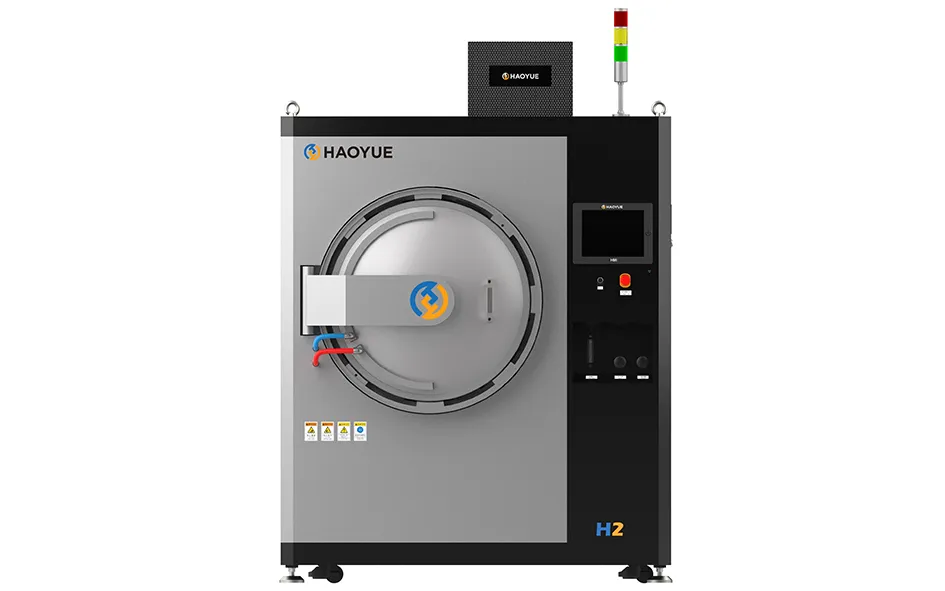
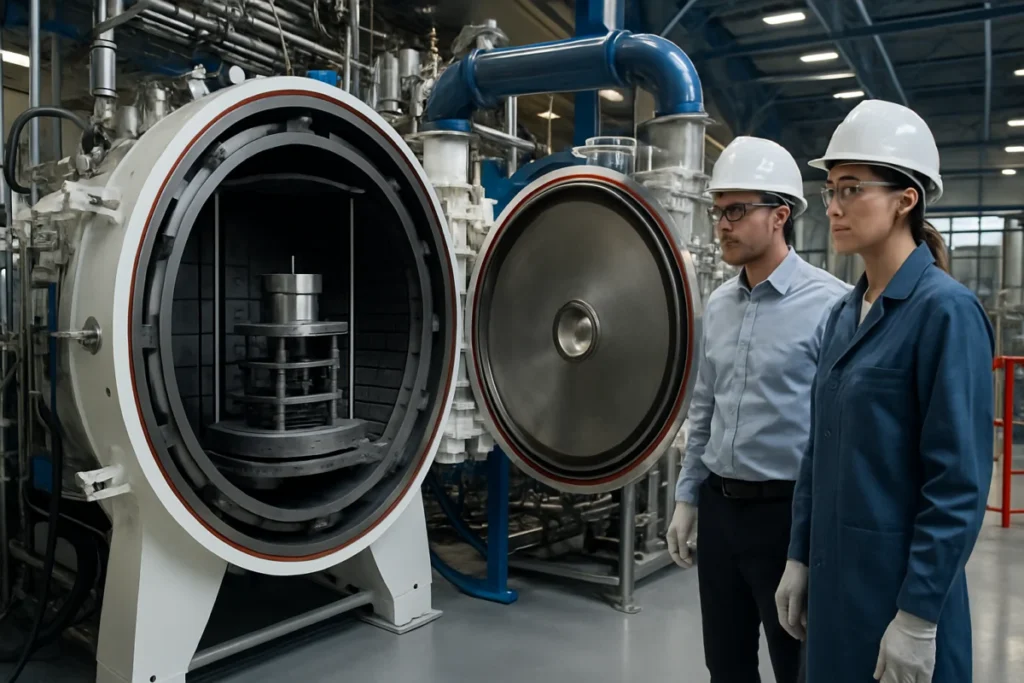
Vacuum sintering furnaces are engineered to eliminate the atmospheric conditions that lead to oxidation and contamination. By operating in a vacuum environment, these furnaces ensure high-purity conditions essential for powder metallurgy applications. This technology is crucial for producing components with tight tolerances and superior mechanical properties.
In practical terms, vacuum levels can reach up to 10⁻⁶ mbar, facilitating the removal of impurities and volatile elements during the sintering process. This results in a denser, more reliable end product, crucial for aerospace applications where precision and quality cannot be compromised.
Enhancing High-Precision Joining with Vacuum Brazing
Vacuum brazing offers a solution to high-precision joining challenges faced in aerospace manufacturing. This method provides uniform heat distribution, crucial for achieving consistent joint strength and integrity. Utilizing vacuum technology minimizes oxidation, leading to clean, high-quality brazed joints.
Engineers can achieve ±1°C temperature uniformity, ensuring repeatable results across production batches. This consistency is vital for meeting industry standards such as Nadcap and AMS, which demand rigorous quality assurance and control.
Diffusion Bonding: A Solution for Complex Assemblies
Diffusion bonding is another advanced process benefiting from vacuum technology. This technique is particularly effective for bonding dissimilar metals in complex assemblies, a common requirement in aerospace applications. The vacuum environment facilitates atomic diffusion, creating strong metallurgical bonds without the introduction of filler materials.
This method addresses production challenges by reducing cycle times and improving throughput. Vacuum heat treatment parameters are meticulously controlled, ensuring that each cycle is repeatable and meets the precise specifications required by ISO standards.
Meeting Industry Standards with Vacuum Technology
Compliance with industry standards such as Nadcap, AMS, and ISO 13485 is non-negotiable in aerospace and medical device manufacturing. Vacuum heat treatment processes are instrumental in achieving these standards, providing the controlled environment necessary for superior product quality.
With automated batch consistency and temperature control, manufacturers can ensure that each product meets the required specifications. This not only enhances quality control but also improves yield rates, reducing waste and increasing cost efficiency.
Revolutionizing Aerospace Manufacturing
Vacuum furnace technology is redefining aerospace manufacturing by addressing critical production challenges. Its ability to provide process stability, enhance product quality, and improve yield rates makes it an indispensable tool for modern manufacturers.
For engineers seeking technical datasheets or processing consultations, or procurement managers interested in bulk solutions, vacuum technology offers unparalleled advantages. Quality teams can also benefit from compliance validation and certification support, ensuring that all products meet the highest industry standards.