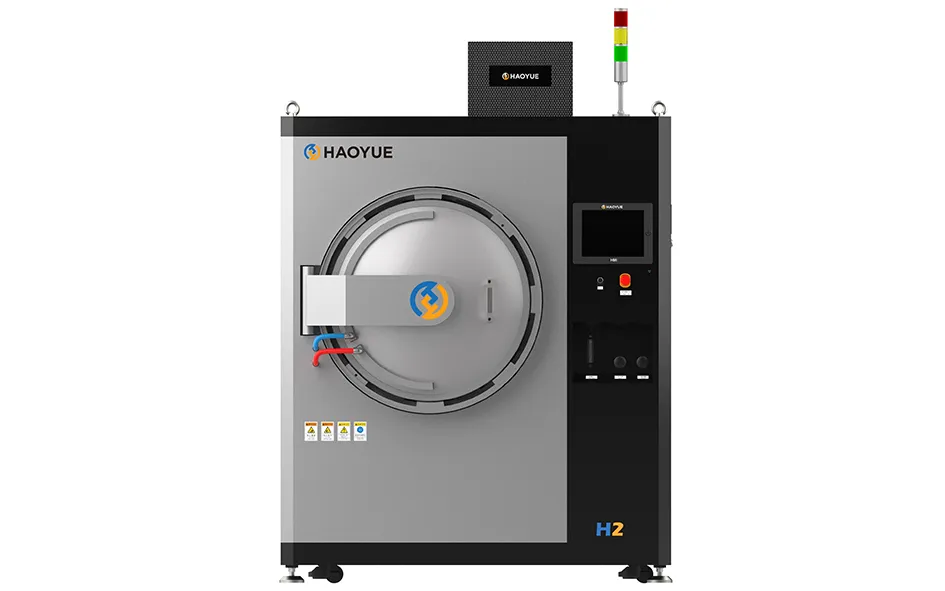
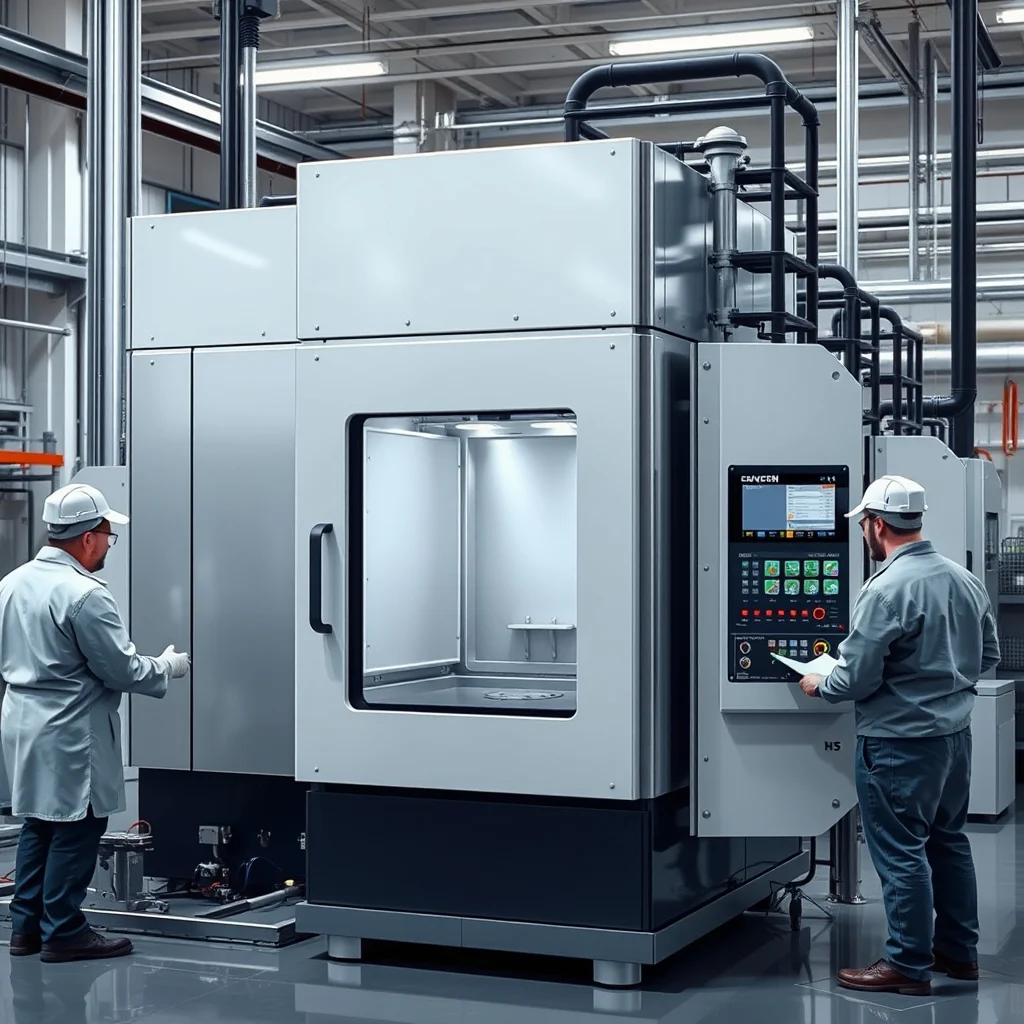
Inconsistent part quality and production inefficiencies are common challenges in industries such as powder metallurgy. These issues often stem from traditional manufacturing processes that fail to meet the rigorous demands of modern applications. Vacuum technology has emerged as a vital solution, enhancing part density and strength while ensuring compliance with standards like Nadcap and ISO.
Understanding the Role of Vacuum Brazing
Vacuum brazing is a highly effective technique for creating strong, high-precision joints in powder metallurgy parts. By utilizing a controlled atmosphere, this process minimizes oxidation and contamination, resulting in cleaner and stronger connections. In industries such as aerospace and medical devices, where the integrity of joints is critical, vacuum brazing ensures reliability and compliance with AMS and FDA standards.
Industrial Applications and Challenges
In aerospace manufacturing, vacuum brazing is essential for producing lightweight yet robust components. The process’s ability to maintain high vacuum levels, up to 10⁻⁶ mbar, ensures that parts meet stringent quality requirements. However, achieving consistent results requires precise temperature control and cycle repeatability, which are crucial for maintaining compliance and ensuring product quality.
Enhancing Part Properties with Vacuum Sintering Furnace
Vacuum sintering furnaces play a pivotal role in increasing the density and mechanical properties of powder metallurgy parts. By providing an oxygen-free environment, these furnaces prevent contamination, which is a common issue in conventional sintering methods. This technology is particularly beneficial in the medical device industry, where ISO 13485 compliance is mandatory.
Technical Considerations
Maintaining a uniform temperature, often within ±1°C, is critical in vacuum sintering to ensure homogeneous material properties. This precision contributes to improved yield rates and cost efficiency by reducing the need for post-processing and minimizing material waste.
Diffusion Bonding for Improved Strength
Diffusion bonding is a process that leverages high-pressure and high-temperature conditions to create solid-state bonds between powder metallurgy parts. This technique is especially useful in applications requiring high-precision joining, such as in precision manufacturing sectors.
Addressing Compliance and Quality
For industries governed by strict standards, diffusion bonding offers a compliant solution by providing repeatable results with enhanced strength and integrity of the bonded parts. This method supports the adherence to standards such as ISO, ensuring that the final products meet the necessary quality benchmarks.
Achieving Optimal Results with Vacuum Heat Treatment
Vacuum heat treatment enhances the mechanical properties of powder metallurgy parts by providing precise temperature control and a contamination-free environment. This process is crucial for industries like aerospace, where component performance and compliance with Nadcap standards are essential.
Process Stability and Cost Efficiency
By leveraging advanced vacuum furnace technology, manufacturers can achieve stable processes with automated batch consistency. This capability not only improves product quality but also enhances yield rates and reduces operational costs, making it a valuable investment for any production facility.
Modern vacuum furnace technology is revolutionizing powder metallurgy by addressing core challenges such as process stability, product quality, and cost efficiency. Engineers can benefit from technical consultations to optimize their processes, while procurement teams can request detailed quotations for bulk solutions. Quality control professionals should explore compliance validation support for adherence to industry standards.