In the world of precision manufacturing, ensuring consistent part quality in processes like vacuum heat treatment and sintering is a critical challenge. Industries such as aerospace and medical devices demand high-precision joining techniques, yet issues like oxidation and contamination can significantly impact product quality. Compliance with standards such as Nadcap and ISO further complicates the process. Process engineers and quality control professionals often find themselves grappling with these complexities, striving for improved process efficiency and product excellence.
Understanding Vacuum Sintering Furnace Operations
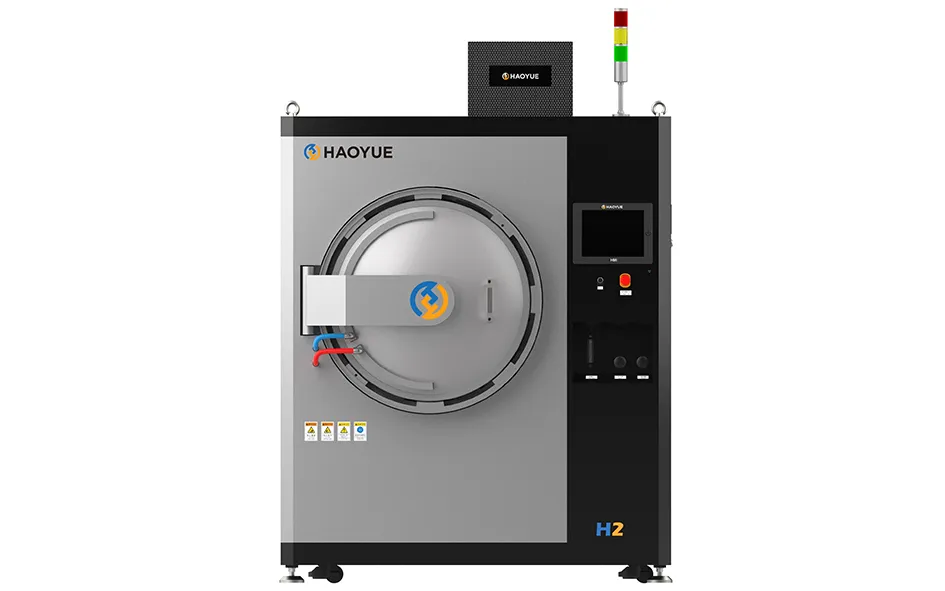
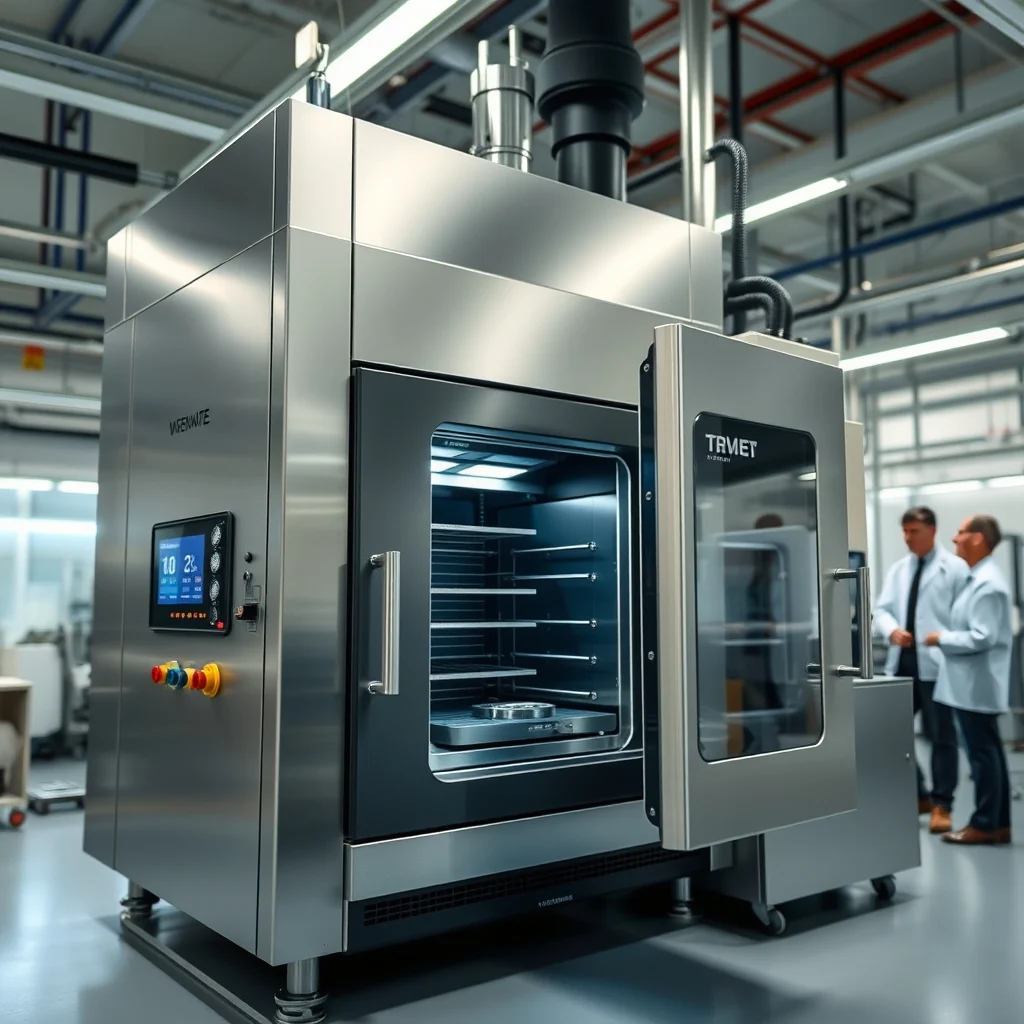
The vacuum sintering furnace is a cornerstone in powder metallurgy, offering a controlled environment to reduce contamination and oxidation. This technology is pivotal in achieving the high-precision joining required in industries with stringent standards. By maintaining low vacuum levels, often reaching up to 10⁻⁶ mbar, the sintering process minimizes the risk of defects, ensuring compliance with aerospace and medical standards.
Industrial Applications and Challenges
In aerospace manufacturing, vacuum brazing is utilized to create strong, lightweight components crucial for aircraft performance. However, maintaining consistent quality across batches can be challenging. Temperature control, often within ±1°C, is vital to ensure uniformity in the sintering process. Deviations can lead to non-compliance with Nadcap standards, affecting overall product integrity.
Enhancing Process Stability with Vacuum Technology
Vacuum heat treatment is instrumental in improving process stability by providing an oxygen-free environment that prevents oxidation. This technology is particularly beneficial in diffusion bonding, where precision is paramount. Automated batch consistency, enabled by advanced vacuum systems, ensures repeatability and reduces the margin for error, a critical factor in meeting ISO standards.
Temperature and Vacuum Control
Maintaining precise temperature control and vacuum levels is essential for achieving optimal results. For instance, in medical device manufacturing, adhering to ISO 13485 requires stringent control over these parameters to ensure product safety and efficacy. The ability to achieve repeatable cycles not only enhances yield rates but also ensures cost efficiency by reducing waste and rework.
Compliance and Quality Assurance
Compliance with industry standards such as AMS and FDA regulations is non-negotiable in high-stakes industries. Vacuum sintering furnaces play a crucial role in meeting these standards by providing a controlled environment that reduces variability in production processes. Quality teams rely on this technology to validate compliance and certification support, ensuring that every product meets the required specifications.
Modern vacuum furnace technology is transforming the landscape of precision manufacturing. By addressing challenges such as process stability and product quality, it offers a reliable solution for industries aiming for excellence. The advantages of vacuum technology, including enhanced yield rates and cost efficiency, make it an indispensable tool for process engineers, procurement managers, and quality control professionals. To explore the potential of vacuum technology in your operations, consider requesting technical datasheets or consulting with our experts.