In the precision-driven world of powder metallurgy, challenges such as inconsistent part quality and contamination can significantly hinder production. These issues are particularly pronounced in industries like aerospace and medical devices, where compliance with standards such as Nadcap, ISO, and FDA is non-negotiable. Automation combined with vacuum technology is proving to be a game-changer, addressing these concerns with remarkable efficiency.
Enhancing Quality with Vacuum Brazing
Vacuum brazing is a pivotal process in achieving high-precision joining, especially in aerospace components. This method involves joining materials in a vacuum environment, which eliminates the risk of oxidation and ensures superior joint strength. The precise control of temperature and vacuum levels—often reaching up to 10⁻⁶ mbar—ensures that the integrity of the materials is maintained, meeting stringent quality standards like AMS.
Optimizing Production Through Diffusion Bonding
Diffusion bonding, another critical technique, is used extensively in making complex assemblies for medical devices. By applying heat and pressure in a vacuum, materials are bonded at a molecular level without the use of filler metals. This results in joints with high strength and no inclusions. The vacuum environment allows for cycle repeatability and consistency, crucial for ISO 13485 compliance.
Vacuum Sintering Furnace: Precision and Efficiency
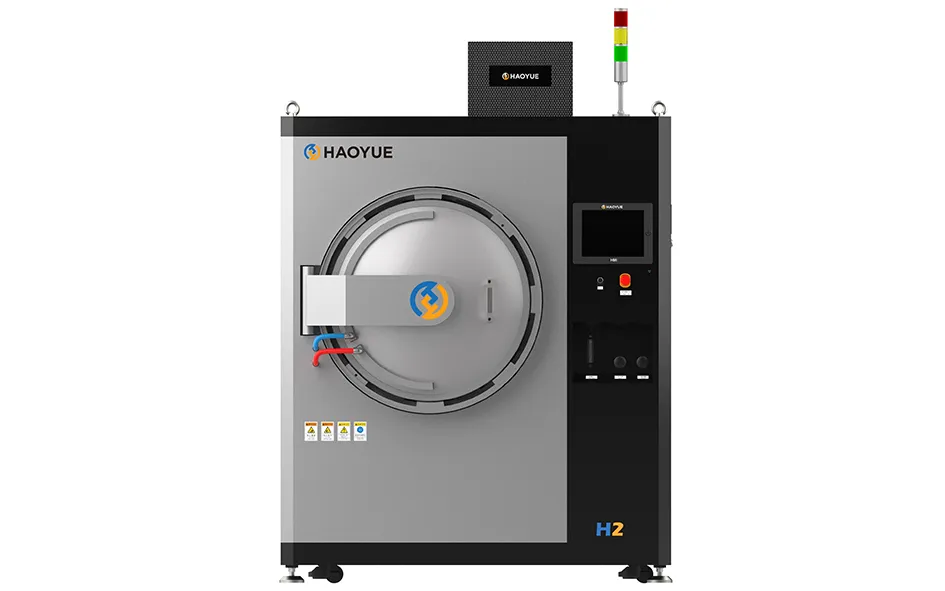
The vacuum sintering furnace is instrumental in the powder metallurgy process, offering precise temperature control with ±1°C uniformity. This precision is essential for producing parts with consistent properties and superior mechanical performance. Advanced furnaces are equipped with automation capabilities that enhance process stability, improve yield rates, and reduce operational costs.
Vacuum Heat Treatment: Meeting Compliance and Quality Standards
In industries where compliance with ISO and Nadcap standards is critical, vacuum heat treatment provides unparalleled advantages. By preventing oxidation and contamination, this process ensures that parts meet the highest quality standards, enhancing both product longevity and performance. Automated systems further aid in maintaining repeatable and consistent batch processing, which is vital for procurement managers focused on bulk solutions.
Driving Innovation with Automated Vacuum Technology
Modern vacuum furnace technology not only addresses existing challenges but also opens new avenues for innovation in powder metallurgy. It offers improved process stability, enhances product quality, and boosts efficiency. With vacuum levels reaching 10⁻⁶ mbar and automated systems ensuring batch consistency, industries can achieve higher yield rates at reduced costs.
For process engineers and quality control professionals, the integration of automation in vacuum technology represents a significant leap toward more reliable and efficient manufacturing. Request technical datasheets or process consultations to explore these technologies further. Procurement managers can benefit from requesting quotations or bulk solutions tailored to their needs, while quality teams should inquire about compliance validation and certification support.