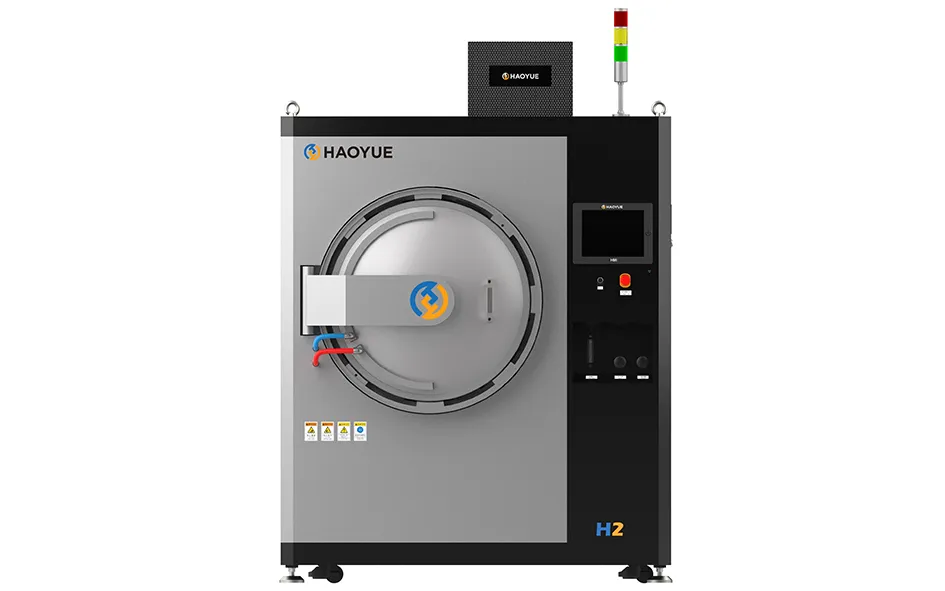
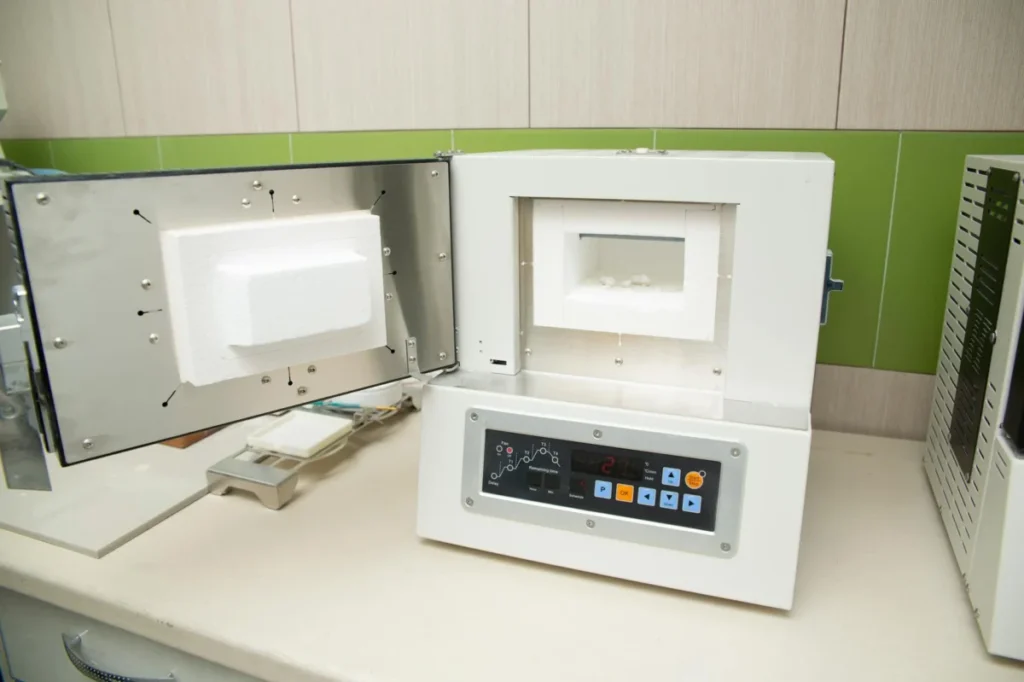
In the ever-evolving landscape of precision manufacturing, achieving consistent part quality remains a formidable challenge for many industries, including automotive, aerospace, and medical devices. Factors like oxidation and contamination during heat treatment can severely affect component integrity, posing significant compliance risks with standards such as Nadcap and ISO. This is where advanced vacuum sintering furnaces come into play, offering a robust solution for achieving high-precision and reliable results.
Why Vacuum Sintering Furnaces Are Critical for High-Precision MIM Parts
Vacuum sintering furnaces are indispensable in manufacturing metal injection molding (MIM) components, where precision and material integrity are paramount. These furnaces provide a controlled atmosphere that prevents oxidation and contamination, ensuring the production of high-quality, dense parts. With vacuum levels reaching up to 10⁻⁶ mbar, these furnaces offer unparalleled control over the sintering process.
Applications in Automotive and Aerospace
In sectors like automotive and aerospace, the demands for high-performance components are stringent. Vacuum sintering furnaces allow manufacturers to meet these demands by providing uniform temperature distribution and precise control over the sintering cycle. This makes them ideal for producing critical components, such as gears and turbine blades, that require tight tolerances and exceptional mechanical properties.
Key Features to Look for in a Hydrogen Molybdenum Furnace
When selecting a hydrogen molybdenum furnace, industrial buyers should consider several key features to ensure optimal performance and efficiency. Such furnaces are designed for high-temperature sintering, often exceeding 2000°C, making them suitable for processing refractory metals like molybdenum and tungsten.
Technical Specifications
- Temperature Uniformity: ±1°C across the load
- Vacuum Levels: Up to 10⁻⁶ mbar
- Heating Elements: Made from high-purity graphite or molybdenum
- Safety Features: Over-temperature protection and automated gas purging systems
These specifications ensure that hydrogen molybdenum furnaces provide consistent results, reducing the risk of defects and improving product yield.
Overcoming Production Challenges with Vacuum Heat Treatment
Vacuum heat treatment is a game-changer for industries facing production inefficiencies and quality challenges. By eliminating the presence of oxygen, vacuum technology minimizes the risk of oxidation and improves the mechanical properties of the final product. This leads to enhanced durability and performance of automotive components, such as engine parts and drive train systems.
Improving Compliance and Consistency
Adhering to strict industry standards like ISO and AMS is critical for manufacturers. Vacuum heat treatment not only improves compliance but also ensures repeatable batch consistency, which is vital for maintaining high standards in production and achieving certification goals.
Enhancing High-Precision Joining with Vacuum Brazing and Diffusion Bonding
Beyond sintering, vacuum technology is essential in processes like vacuum brazing and diffusion bonding, which are crucial for high-precision joining. These methods ensure that joints are free from voids and impurities, providing strong and reliable connections between components. Industries such as medical devices and aerospace rely on these processes for fabricating complex assemblies that require exacting standards of performance and safety.
Benefits for Industrial Applications
Employing vacuum brazing and diffusion bonding facilitates the production of components with superior mechanical properties and corrosion resistance. This results in longer-lasting, high-performance products that meet the demanding requirements of modern industrial applications.
For custom sintering solutions tailored to your production needs, reach out to our engineering team to discuss your project requirements. Whether you are an engineer seeking technical datasheets, a procurement manager requesting a quotation, or a quality control professional in need of compliance validation, our experts are here to assist you in optimizing your manufacturing processes.