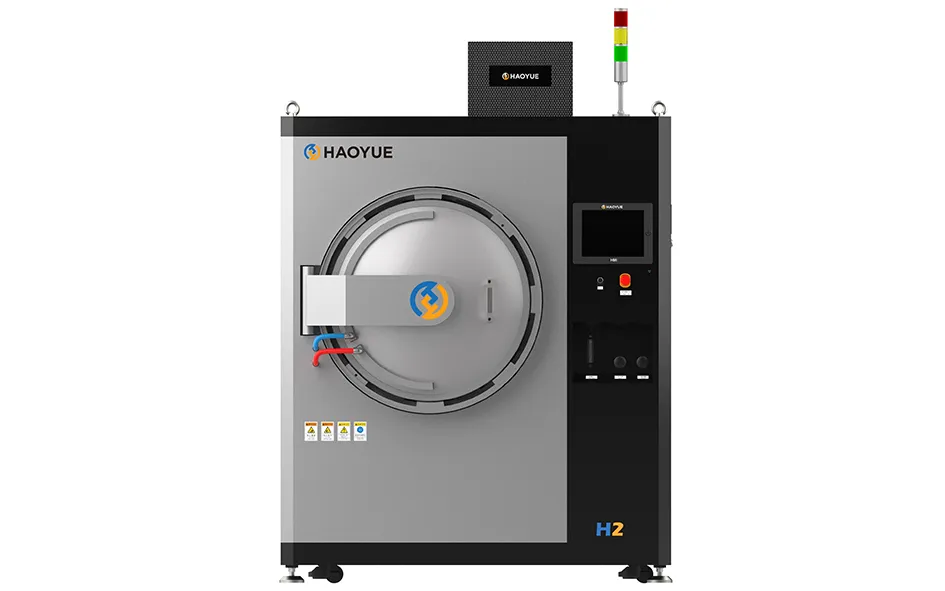
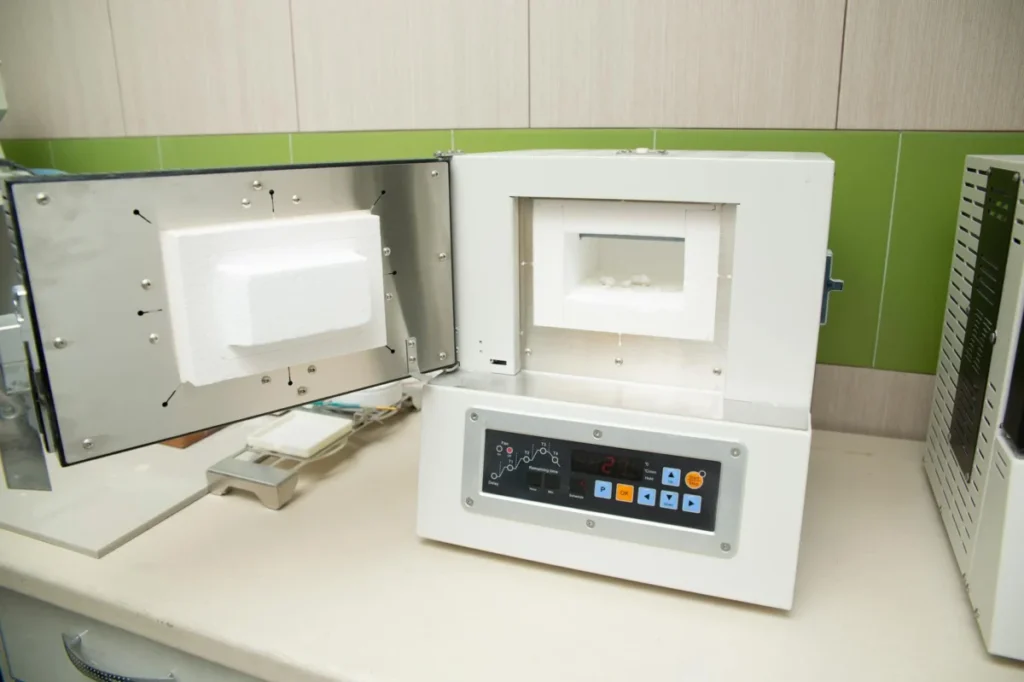
Electric vehicle manufacturers face a myriad of challenges, but one of the most pressing is achieving consistent part quality in their production processes. In the realm of powder metallurgy, where precision and reliability are paramount, issues like oxidation and contamination in vacuum heat treatment can lead to significant setbacks. This is where advanced sintering solutions, such as vacuum sintering furnaces, play a crucial role. By addressing these common pain points, manufacturers can enhance product quality and ensure compliance with industry standards.
Why Vacuum Sintering Furnaces Are Critical for High-Precision MIM Parts
Vacuum sintering furnaces are indispensable for producing high-precision metal injection molding (MIM) parts. They offer a controlled atmosphere that minimizes oxidation and contamination, crucial for maintaining the integrity of aerospace and medical device components. The ability to fine-tune temperature and vacuum levels ensures uniform sintering, reducing the risk of defects and enhancing the mechanical properties of the final products.
Technical Advantages of Vacuum Sintering
With temperature uniformity of ±1°C and vacuum levels reaching up to 10⁻⁶ mbar, these furnaces provide an environment conducive to superior sintering quality. The precise control over thermal cycles ensures repeatability and consistency, which are vital for meeting stringent industry standards such as Nadcap and ISO 13485.
Key Features to Look for in a Hydrogen Molybdenum Furnace
When selecting a hydrogen molybdenum furnace, industrial buyers should prioritize features that enhance both efficiency and safety. These furnaces are designed for high-temperature sintering, making them ideal for powder metallurgy applications where controlled atmosphere sintering is necessary.
Specifications and Industrial Applications
Key specifications to consider include the furnace’s capability to handle temperatures over 1600°C, energy-efficient heating elements, and robust safety mechanisms. Such features are essential for industries like automotive and aerospace, where parts must withstand extreme conditions without compromising performance.
Enhancing Production with High-Temperature Sintering Equipment
High-temperature sintering equipment is crucial for improving production efficiencies and reducing waste. By optimizing the sintering process, manufacturers can increase yield rates and decrease energy consumption, resulting in cost savings and environmental benefits.
Real-World Examples
- Aerospace: Ensures the durability and reliability of components exposed to high stress and thermal conditions.
- Medical: Meets stringent FDA and ISO requirements for biocompatibility and precision.
- Automotive: Enhances the performance of components critical to electric vehicle efficiency.
Meeting Industry Standards with Vacuum Technology
Compliance with industry standards is non-negotiable in high-stakes sectors like aerospace and medical devices. Vacuum technology offers a solution by providing an environment that supports diffusion bonding and vacuum brazing, critical for high-precision joining and vacuum heat treatment processes.
Ensuring Compliance and Quality
By adhering to standards such as AMS and ISO 13485, manufacturers can assure their clients of consistent quality and reliability. The automation and repeatability of vacuum furnace technology further bolster compliance efforts, reducing the risk of human error and production variability.
To stay competitive and meet the demands of ever-evolving industries, investing in advanced sintering solutions is imperative. By leveraging modern vacuum furnace technologies, manufacturers can achieve unparalleled process stability, product quality, and cost efficiency. For custom sintering solutions tailored to your production needs, reach out to our engineering team to discuss your project requirements.