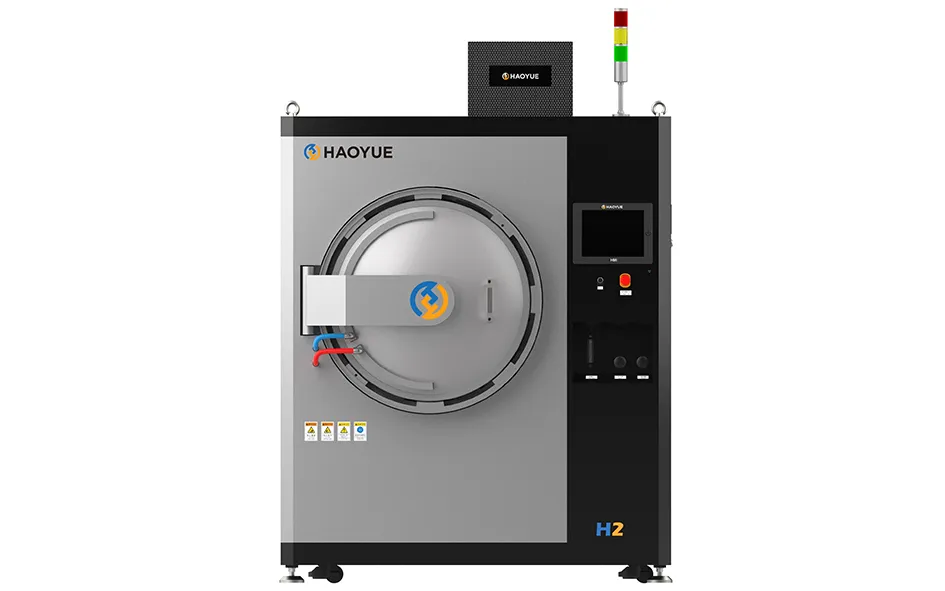
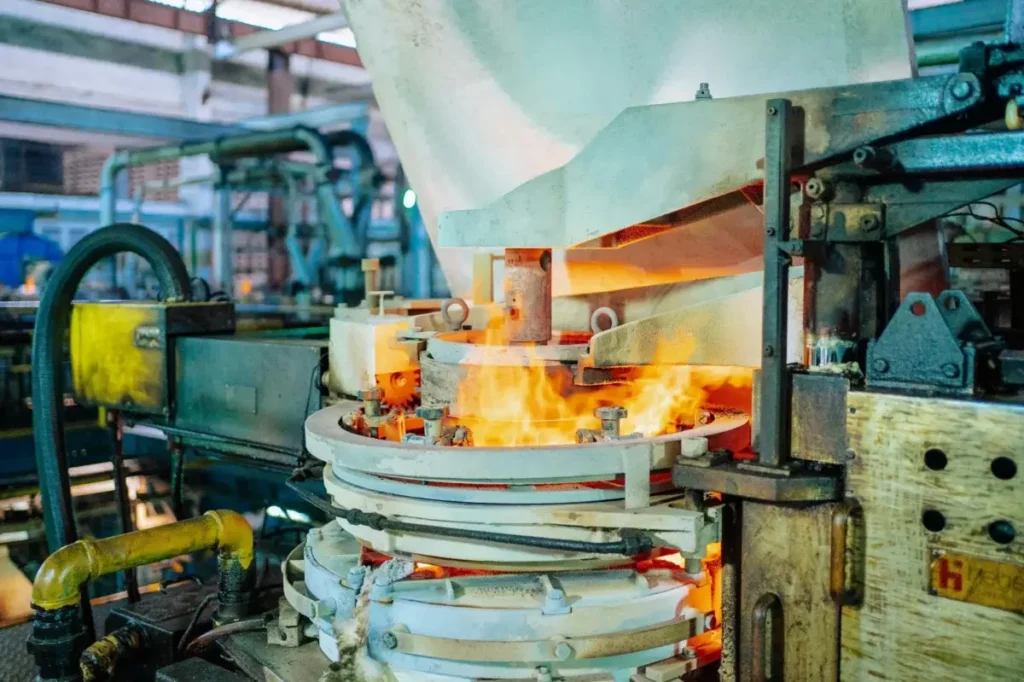
In the high-stakes world of precision manufacturing, industrial buyers face the relentless challenge of ensuring consistent part quality while navigating the complexities of vacuum heat treatment processes. Inconsistent sintering quality, oxidation, and contamination during production are common hurdles that can lead to compliance risks and production inefficiencies. Vacuum sintering furnaces emerge as a critical solution in overcoming these issues, offering reliable performance for industries such as powder metallurgy, aerospace, and medical devices.
Why Vacuum Sintering Furnaces Are Critical for High-Precision MIM Parts
Vacuum sintering furnaces are pivotal in manufacturing high-precision Metal Injection Molding (MIM) parts. These furnaces provide a controlled atmosphere that minimizes oxidation and contamination, ensuring superior quality and consistency in the sintering process. The ability to achieve vacuum levels up to 10⁻⁶ mbar allows precise control over the process, resulting in enhanced material properties and dimensional accuracy.
Technical Specifications and Benefits
- Temperature uniformity of ±1°C
- Vacuum levels up to 10⁻⁶ mbar
- Repeatable and automated batch consistency
- Energy-efficient operation
These features make vacuum sintering furnaces indispensable for industries demanding high-precision and quality, such as automotive and aerospace sectors.
Key Features to Look for in a Hydrogen Molybdenum Furnace
When selecting a hydrogen molybdenum furnace, it’s essential to focus on specific features that enhance performance and safety. High-temperature sintering equipment should provide excellent temperature control and safe operation in hydrogen atmospheres. Molybdenum furnaces excel in high-temperature applications, offering robust performance in demanding environments.
Industrial Applications
These furnaces are extensively used in powder metallurgy sintering, particularly for components that require high strength and resistance to extreme conditions. Typical applications include aerospace components, medical devices, and high-precision automotive parts, where compliance with standards such as Nadcap, AMS, FDA, and ISO is critical.
Understanding Vacuum Heat Treatment and Its Role in Quality Assurance
Vacuum heat treatment is a versatile process that enhances material properties through precise control of temperature and atmosphere. The process involves vacuum brazing, diffusion bonding, and high-precision joining, which are essential for industries where component integrity and performance are non-negotiable.
Compliance and Standards
Meeting industry standards such as Nadcap for aerospace, FDA for medical devices, and ISO 13485 is mandatory. Vacuum heat treatment processes ensure compliance by maintaining stringent control over process variables, leading to improved yield rates and reduced risk of defects.
For custom sintering solutions tailored to your production needs, reach out to our engineering team to discuss your project requirements. Whether you are an engineer seeking process consultation, a procurement manager looking for bulk solutions, or a quality control professional requiring compliance validation and certification support, our experts are ready to assist.