In the competitive landscape of industrial manufacturing, achieving consistent sintering quality while managing costs is a persistent challenge. Many industrial buyers face issues like inconsistent part quality and high energy costs, especially in vacuum sintering processes. The right vacuum sintering furnace can significantly enhance quality and reduce operational expenses.
Why Vacuum Sintering Furnaces Are Critical for High-Precision MIM Parts
Vacuum sintering furnaces are pivotal in producing high-precision metal injection molding (MIM) parts. These furnaces ensure controlled atmosphere sintering, minimizing oxidation and contamination risks. Industries such as aerospace and medical devices demand precise components, where any deviation can lead to compliance risks with standards like Nadcap or FDA regulations.
By maintaining vacuum levels up to 10-6 mbar, these furnaces offer exceptional temperature uniformity, typically within ±1°C. This precision ensures repeatable and automated batch consistency, crucial for maintaining high-quality production standards.
Key Features to Look for in a Hydrogen Molybdenum Furnace
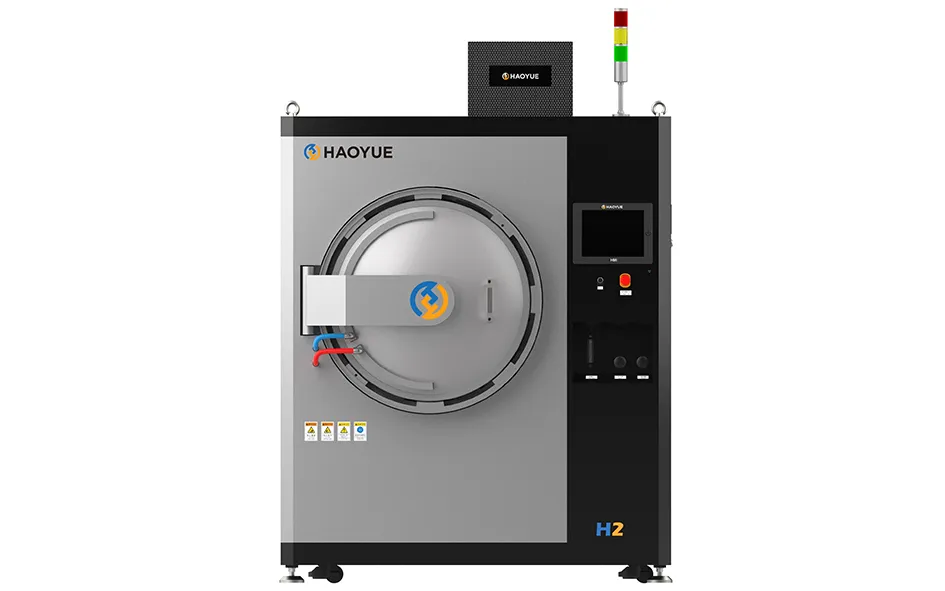
When selecting a hydrogen molybdenum furnace, look for features that enhance energy efficiency and performance. These furnaces are ideal for high-temperature sintering and feature advanced temperature control systems, ensuring consistent heating cycles and reducing energy consumption.
Technical Specifications
- Temperature Range: Up to 2000°C
- Vacuum Levels: 10-6 mbar
- Heating Elements: Molybdenum or Tungsten
- Safety Features: Automatic shut-off and emergency cooling systems
These specifications are particularly beneficial for industries like automotive and precision manufacturing, where high-temperature applications are common.
Enhancing Process Efficiency with High-Temperature Sintering Equipment
High-temperature sintering equipment plays a crucial role in optimizing production efficiency. By enabling precise control over temperature and atmosphere, these systems help in reducing cycle times and energy costs. They are perfect for powder metallurgy applications, where temperature uniformity is essential for achieving desired material properties.
For instance, in diffusion bonding and vacuum brazing, maintaining a stable vacuum environment prevents contamination and ensures high-precision joining. This leads to improved product quality and reduced rework rates.
Industry Standards & Compliance Considerations
Compliance with industry standards like ISO, FDA, and AMS is non-negotiable for manufacturers. Vacuum sintering technology supports these requirements by delivering consistent quality and traceability. The ability to meet stringent compliance standards enhances product reliability and opens new market opportunities.
For custom sintering solutions tailored to your production needs, reach out to our engineering team to discuss your project requirements. Whether you are in aerospace, automotive, or precision manufacturing, our industrial furnace solutions can elevate your production capabilities and efficiency.