In the realm of medical device manufacturing, achieving high precision and consistent quality remains a persistent challenge. Industrial buyers often encounter issues such as inconsistent sintering quality, oxidation, and compliance risks, which can severely impact production efficiency and end-product reliability. These challenges are particularly prevalent in processes involving vacuum heat treatment and joining technologies.
Why Vacuum Sintering Furnaces Are Critical for High-Precision MIM Parts
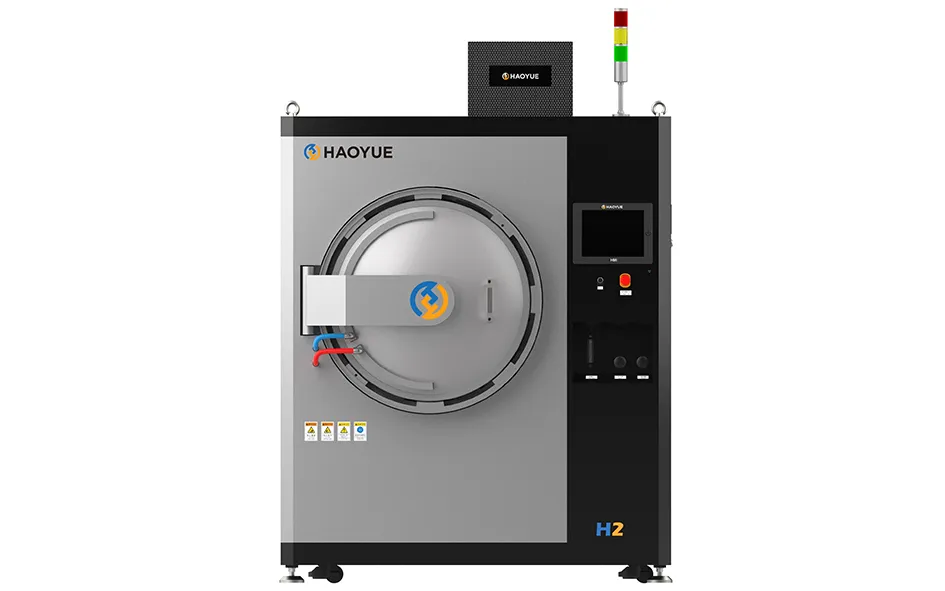
Vacuum sintering furnaces play a pivotal role in producing high-precision Metal Injection Molding (MIM) parts. These furnaces ensure the controlled atmosphere required to prevent oxidation and contamination, which are common issues in conventional sintering processes. By maintaining a vacuum level of up to 10⁻⁶ mbar, these furnaces enhance the mechanical properties of sintered components.
Temperature Uniformity and Control
The state-of-the-art vacuum sintering furnaces offer ±1°C temperature uniformity, crucial for achieving consistent part quality. This precision in temperature control directly translates to improved yield rates and reduced rework costs, addressing one of the core pain points in precision manufacturing.
Key Features to Look for in a Hydrogen Molybdenum Furnace
For industries like aerospace and medical devices, where material integrity is critical, hydrogen molybdenum furnaces are indispensable. These high-temperature sintering equipment units are designed to operate at temperatures exceeding 1600°C, suitable for sintering advanced materials without compromising on quality.
Safety and Energy Efficiency
Modern hydrogen molybdenum furnaces are equipped with advanced safety features and energy-efficient designs, reducing operational costs while adhering to safety standards. This is particularly important for compliance with industry-specific standards such as Nadcap for aerospace applications and ISO 13485 for medical devices.
Powder Metallurgy Sintering and Vacuum Heat Treatment
The integration of powder metallurgy sintering with vacuum heat treatment techniques provides superior results for complex component geometries. Vacuum brazing and diffusion bonding are essential for producing high-precision joining solutions, offering enhanced strength and minimal distortion.
Applications in Aerospace and Medical Sectors
These technologies are extensively used in the aerospace sector, where compliance with AMS standards is mandatory, and in the medical field, where FDA regulations dictate stringent quality requirements. The ability to produce repeatable and automated batch consistency is a significant advantage, ensuring compliance and reliability.
Embracing advanced vacuum furnace technology can transform your manufacturing processes by enhancing process stability, product quality, and cost efficiency. For custom sintering solutions tailored to your production needs, reach out to our engineering team to discuss your project requirements.