In the competitive landscape of precision manufacturing, ensuring consistent part quality while avoiding oxidation and contamination is a persistent challenge. For industries like medical devices, where compliance with standards such as ISO 13485 and FDA regulations is critical, these issues are even more pressing. This is where the precision and reliability of vacuum sintering furnaces come into play, offering a high-performance solution for achieving optimal sintering outcomes.
Why Vacuum Sintering Furnaces Are Critical for High-Precision MIM Parts
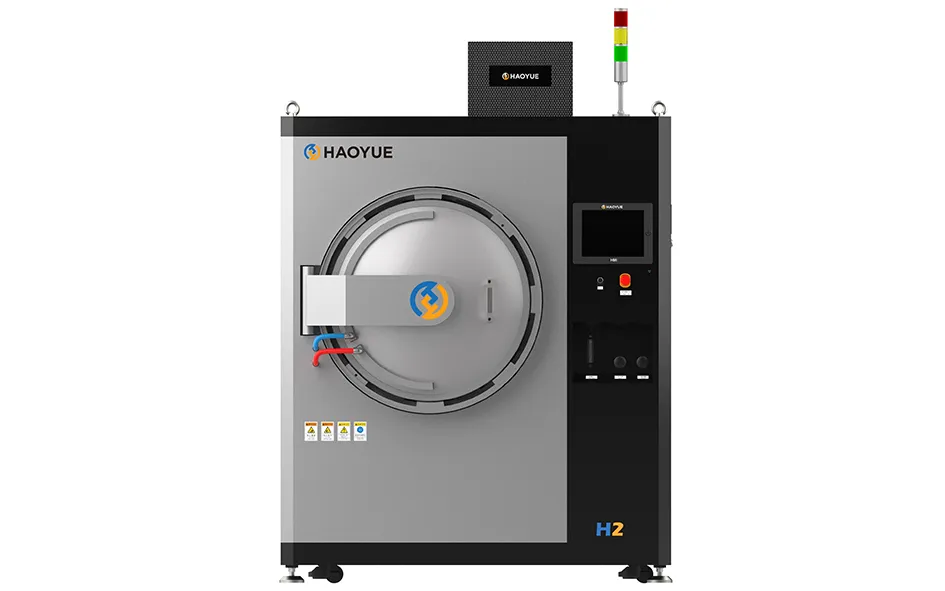
Vacuum sintering furnaces are pivotal in producing high-precision metal injection molding (MIM) parts. These furnaces ensure a controlled environment, which is crucial in preventing oxidation and ensuring consistent quality. By maintaining vacuum levels up to 10⁻⁶ mbar, they offer unparalleled atmospheric control, reducing the risk of contamination during the sintering process.
Real-World Applications and Benefits
In medical device manufacturing, where precision and material integrity are paramount, vacuum sintering furnaces provide the stability needed to meet stringent compliance requirements. The ability to achieve ±1°C temperature uniformity ensures that each batch meets exacting standards, resulting in superior product quality and reliability.
Key Features to Look for in a Hydrogen Molybdenum Furnace
Hydrogen molybdenum furnaces are designed to handle high-temperature sintering processes, making them ideal for applications requiring robust material properties. These furnaces leverage a hydrogen atmosphere to enhance the sintering of molybdenum-based components, a common requirement in the aerospace sector.
Technical Specifications
- Temperature control: Up to 2000°C with high precision
- Vacuum levels: Maintained below 10⁻⁶ mbar
- Heating elements: Advanced molybdenum resistors for uniform heat distribution
- Safety features: Integrated gas monitoring and emergency shutoff systems
Enhancing Process Stability with Vacuum Heat Treatment
Vacuum heat treatment is a cornerstone of achieving process stability and product excellence in industries like powder metallurgy and diffusion bonding. The vacuum environment minimizes oxidation, enhancing the mechanical properties of treated metals.
Compliance and Standards
This process aligns with stringent industry standards, including Nadcap and AMS for aerospace components, ensuring that treated parts meet the highest quality benchmarks.
Improving Yield and Cost Efficiency
By integrating high-temperature sintering equipment like vacuum brazing and diffusion bonding technologies, companies can significantly improve yield rates while reducing operational costs. These technologies facilitate repeatable and automated batch processes, minimizing human error and maximizing efficiency.
For custom sintering solutions tailored to your production needs, reach out to our engineering team to discuss your project requirements. Whether you are a process engineer seeking technical datasheets, a procurement manager looking for bulk solutions, or a quality control professional in need of compliance validation, our expertise can support your goals.