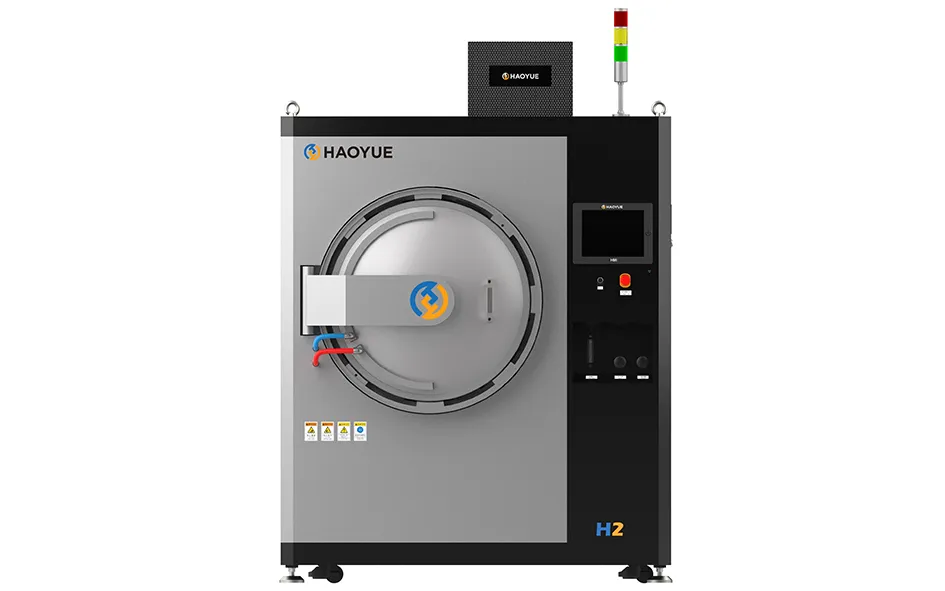
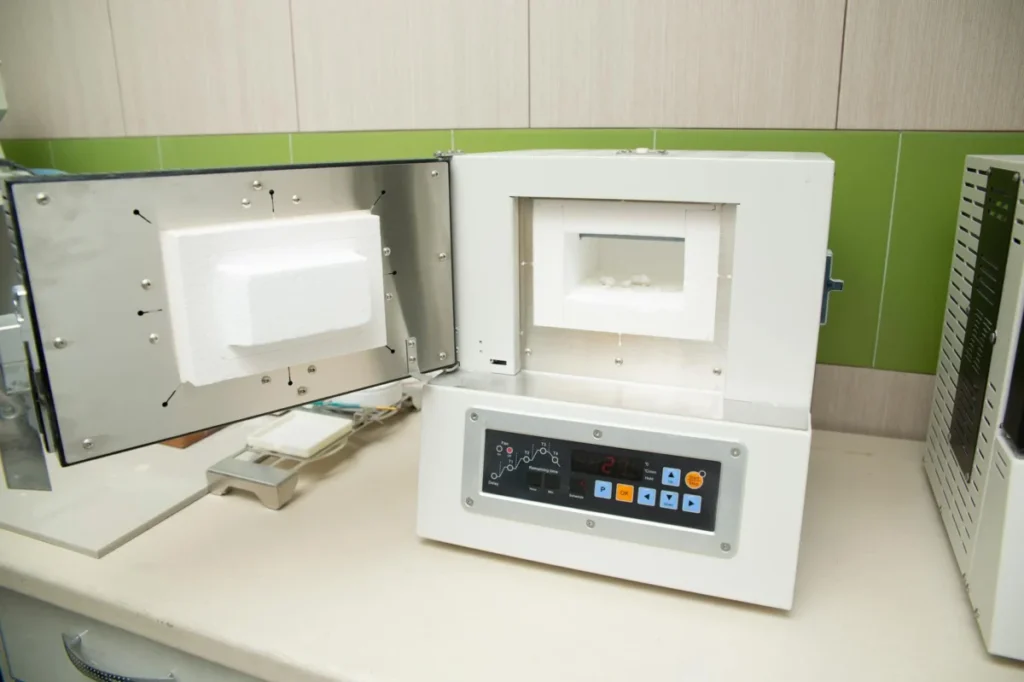
In the high-stakes world of industrial manufacturing, maintaining consistent part quality while minimizing energy costs is a persistent challenge. Many process engineers and procurement managers are familiar with the pitfalls of inefficient vacuum heat treatment and the resulting product inconsistencies. High-quality vacuum sintering furnaces are essential for achieving uniformity and precision in metal injection molding (MIM) and powder metallurgy applications.
Why Vacuum Sintering Furnaces Are Critical for High-Precision MIM Parts
Vacuum sintering furnaces ensure that MIM parts meet high-precision standards by providing a controlled environment that minimizes oxidation and contamination. These furnaces offer unparalleled temperature uniformity, typically within ±1°C, making them indispensable for industries such as aerospace and medical devices where precision is paramount.
The ability to operate at high temperatures, often exceeding 1600°C, allows for efficient processing of complex alloys. This is particularly important for the production of components that require stringent compliance with standards such as Nadcap and ISO 13485.
Key Features to Look for in a Hydrogen Molybdenum Furnace
When selecting a hydrogen molybdenum furnace, industrial buyers should focus on features that enhance process efficiency and product quality. Key considerations include:
- Vacuum levels reaching up to 10⁻⁶ mbar, crucial for minimizing oxidation.
- High-temperature capabilities, often necessary for advanced alloy processing.
- Repeatable cycle consistency, ensuring reliable batch-to-batch uniformity.
These furnaces are particularly effective in diffusion bonding and high-precision joining processes, where the control of atmosphere and temperature directly impacts the integrity of the finished product.
Technical Specifications for High-Temperature Sintering Equipment
High-temperature sintering equipment, such as vacuum and hydrogen molybdenum furnaces, play a critical role in achieving optimal sintering results. Critical specifications include:
- Heating element materials that withstand extreme conditions, such as molybdenum or graphite.
- Automated control systems for precise temperature and vacuum regulation.
- Safety features that ensure operator protection and equipment longevity.
These technical features contribute to improved process stability, higher yield rates, and cost efficiency, making them a valuable addition to any manufacturing line.
Compliance and Standards in Vacuum Heat Treatment
Adhering to industry standards is crucial for maintaining product quality and ensuring compliance. Vacuum heat treatment processes must align with stringent aerospace and medical standards, including Nadcap, AMS, and FDA regulations. Ensuring compliance not only enhances product reliability but also opens up new market opportunities.
For industrial buyers, investing in equipment that supports these standards is paramount. Vacuum furnace technology not only meets these compliance requirements but also delivers enhanced product quality through controlled atmosphere sintering and vacuum brazing techniques.
Modern vacuum furnace technology significantly addresses the challenges faced by industrial manufacturers. By ensuring process stability and consistent product quality, these systems improve yield rates and cost efficiency. For custom sintering solutions tailored to your production needs, reach out to our engineering team to discuss your project requirements.