In the realm of precision manufacturing, maintaining consistent quality in parts production is paramount. Industries such as aerospace, medical devices, and powder metallurgy face significant challenges, including oxidation, contamination, and compliance risks with standards like Nadcap, ISO, and FDA. These hurdles often arise in vacuum heat treatment and joining processes, where achieving uniformity and precision is critical.
Why Vacuum Sintering Furnaces Are Critical for High-Precision MIM Parts
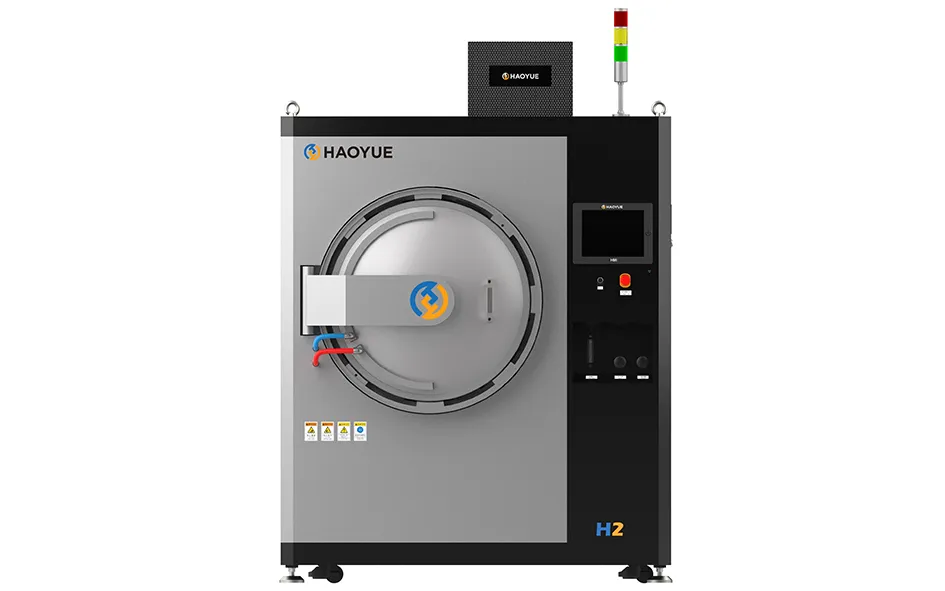
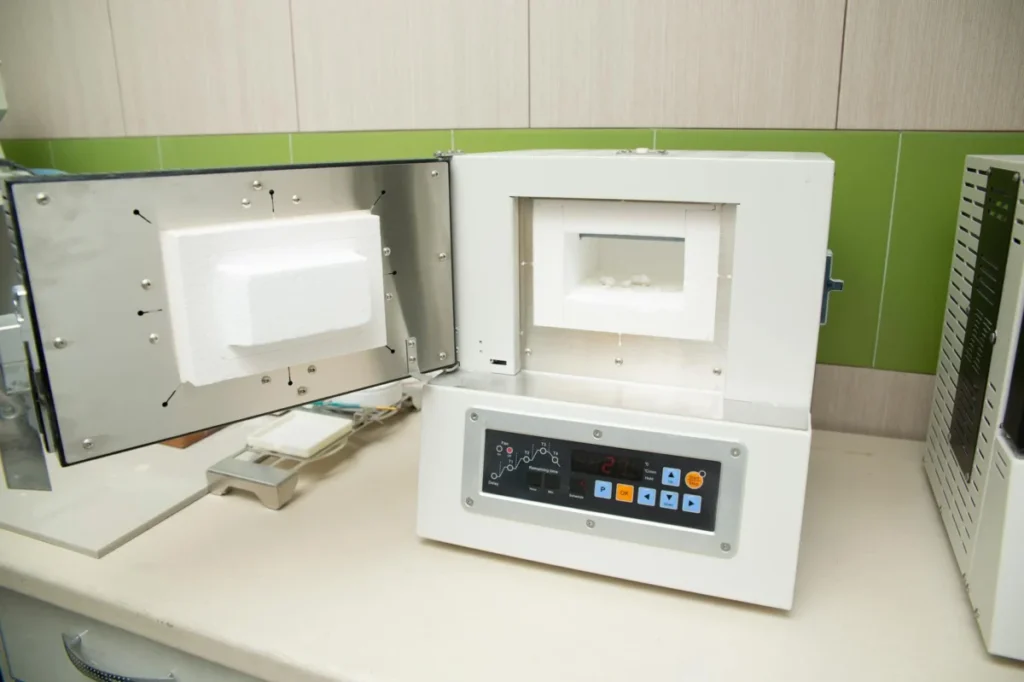
Vacuum sintering furnaces play a pivotal role in enhancing the quality of metal injection molded (MIM) parts. By providing a controlled atmosphere, these furnaces effectively minimize contamination and oxidation, ensuring the integrity of high-precision components. In industries where precision is non-negotiable, such as medical devices and aerospace, the reliability of vacuum sintering furnaces cannot be overstated.
Technical Specifications and Industrial Applications
Modern vacuum sintering furnaces offer:
- Temperature uniformity of ±1°C
- Vacuum levels reaching 10⁻⁶ mbar
- Capability for repeatable and automated batch processing
These specifications are crucial for maintaining high standards across various applications, from aerospace components to intricate medical device parts.
Key Features to Look for in a Hydrogen Molybdenum Furnace
Hydrogen molybdenum furnaces are essential for high-temperature sintering applications. They provide a reducing atmosphere, which is critical for preventing oxidation during the sintering process of molybdenum and other refractory metals.
Benefits of Controlled Atmosphere Sintering
Controlled atmosphere sintering in these furnaces allows for:
- Enhanced material properties
- Improved product yield rates
- Reduced risk of contamination
This process is particularly beneficial in the production of high-strength components for the automotive and aerospace sectors.
Meeting Industry Standards with Vacuum Technology
Compliance with industry standards such as Nadcap for aerospace, FDA, and ISO 13485 for medical devices is non-negotiable. Vacuum technology aids in achieving these standards by ensuring uniform thermal processing, which is crucial for product quality and safety.
Ensuring Process Stability and Product Quality
The incorporation of vacuum heat treatment in manufacturing processes enhances stability and consistency. This is achieved through precise temperature control and advanced monitoring systems, which are vital for meeting stringent industry specifications.
For custom sintering solutions tailored to your production needs, reach out to our engineering team to discuss your project requirements. Whether you are seeking technical datasheets, compliance validation, or bulk solutions, our experts are ready to assist.