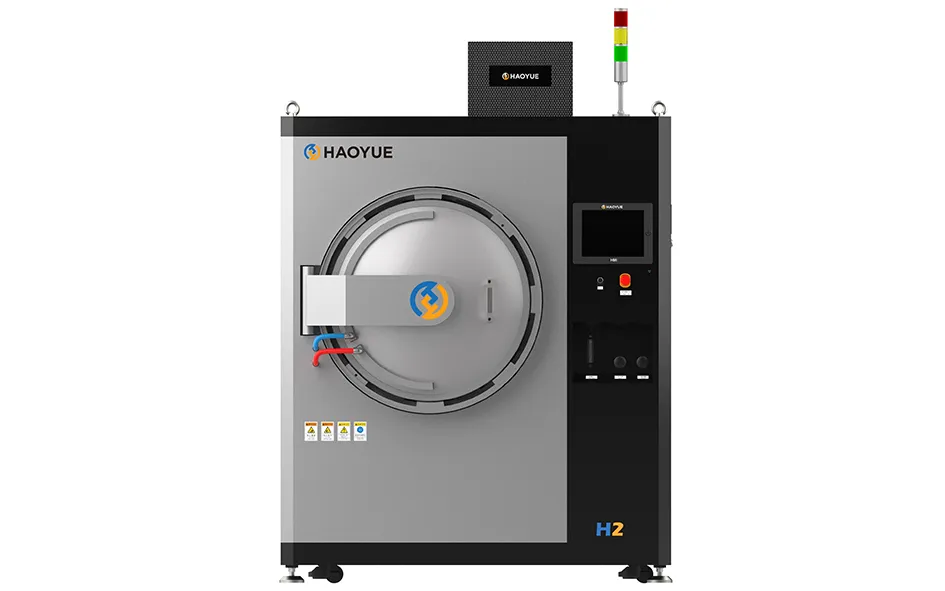
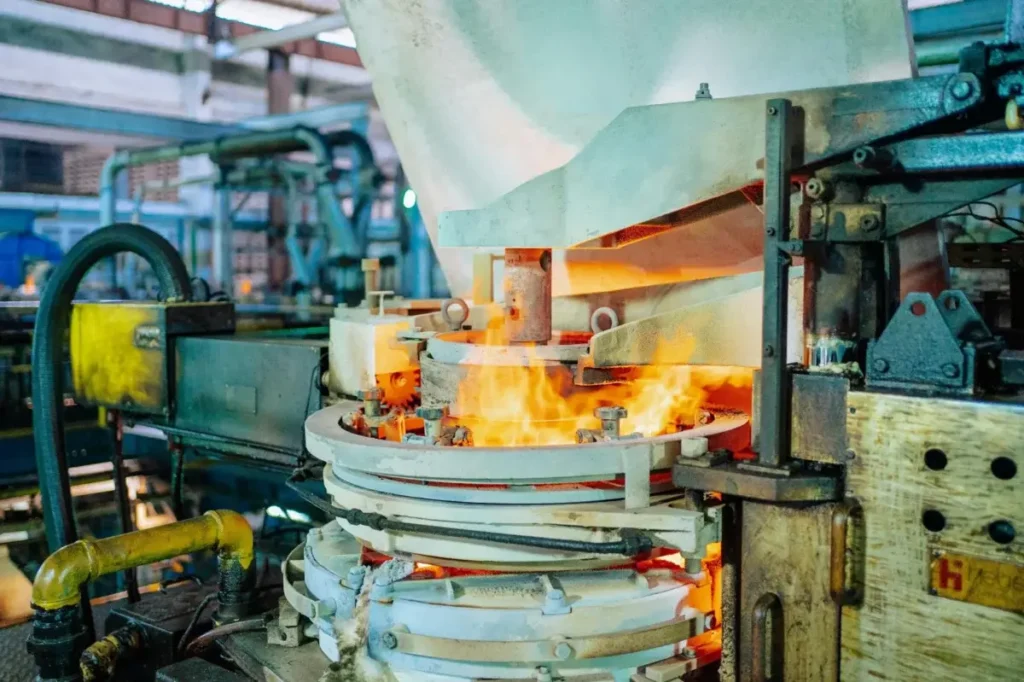
In the high-stakes world of industrial research and development, achieving consistent part quality is a critical challenge. Factors such as oxidation, contamination, and compliance risks can negatively impact production outcomes, especially in vacuum heat treatment and high-precision joining processes. Vacuum sintering furnaces offer a solution by providing the controlled environment necessary to address these issues, ensuring quality and repeatability in R&D initiatives.
Why Vacuum Sintering Furnaces Are Critical for High-Precision MIM Parts
Vacuum sintering furnaces are essential in the production of metal injection molded (MIM) parts. These furnaces create a vacuum environment that minimizes oxidation and contamination, which are common problems in traditional sintering methods. By maintaining precise temperature control and vacuum levels up to 10⁻⁶ mbar, manufacturers can achieve high-density, high-strength components essential for aerospace, medical, and automotive applications.
Key Features to Look for in a Hydrogen Molybdenum Furnace
When selecting a hydrogen molybdenum furnace, consider key features such as temperature uniformity, energy efficiency, and safety. These furnaces should provide ±1°C temperature stability and feature advanced controls for automated batch processing. The controlled atmosphere sintering they facilitate is crucial for producing high-purity molybdenum parts required in demanding industries.
Technical Specifications
- Temperature Range: Up to 1600°C
- Vacuum Levels: 10⁻⁶ mbar
- Heating Element: Graphite or Molybdenum
- Energy Efficiency: Up to 20% reduction in energy costs
- Safety Features: Over-temperature protection and gas monitoring systems
The Role of High-Temperature Sintering Equipment in Powder Metallurgy
High-temperature sintering equipment is vital for the powder metallurgy industry, where precision and material properties are paramount. These furnaces support processes like vacuum brazing and diffusion bonding, ensuring high-quality, high-precision joining. The ability to control the sintering atmosphere and maintain repeatable cycle consistency is crucial for meeting industry standards, such as Nadcap for aerospace and ISO 13485 for medical devices.
Industrial Applications and Compliance
Vacuum heat treatment furnaces are widely used in research and development settings for their ability to comply with stringent industry standards. Whether it’s producing components for aerospace applications adhering to AMS specifications or medical devices that require FDA compliance, vacuum furnace technology provides the precision and reliability needed for success.
Modern vacuum furnace technology offers unparalleled process stability, product quality, and cost efficiency. By ensuring ±1°C temperature uniformity and vacuum levels up to 10⁻⁶ mbar, these furnaces guarantee repeatable and automated batch consistency, ultimately enhancing yield rates. For custom sintering solutions tailored to your production needs, reach out to our engineering team to discuss your project requirements.