In the world of aerospace manufacturing, achieving consistent part quality remains a critical challenge. Issues like porosity and contamination not only affect product integrity but also pose significant compliance risks with standards such as Nadcap and ISO. These challenges are particularly prevalent in processes like vacuum heat treatment and vacuum brazing, where the stakes are high and the margins for error are slender.
Understanding Vacuum Sintering Furnace Technology
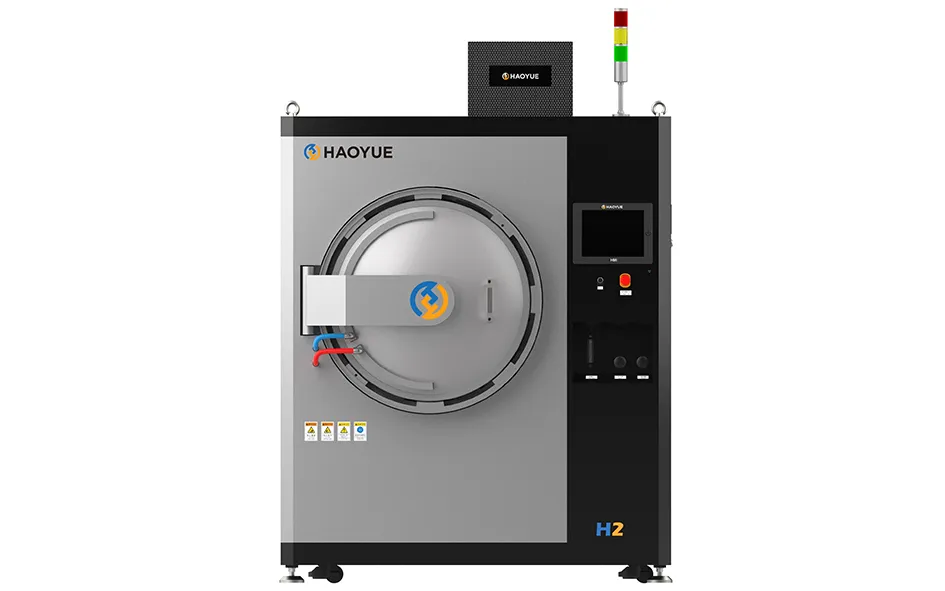
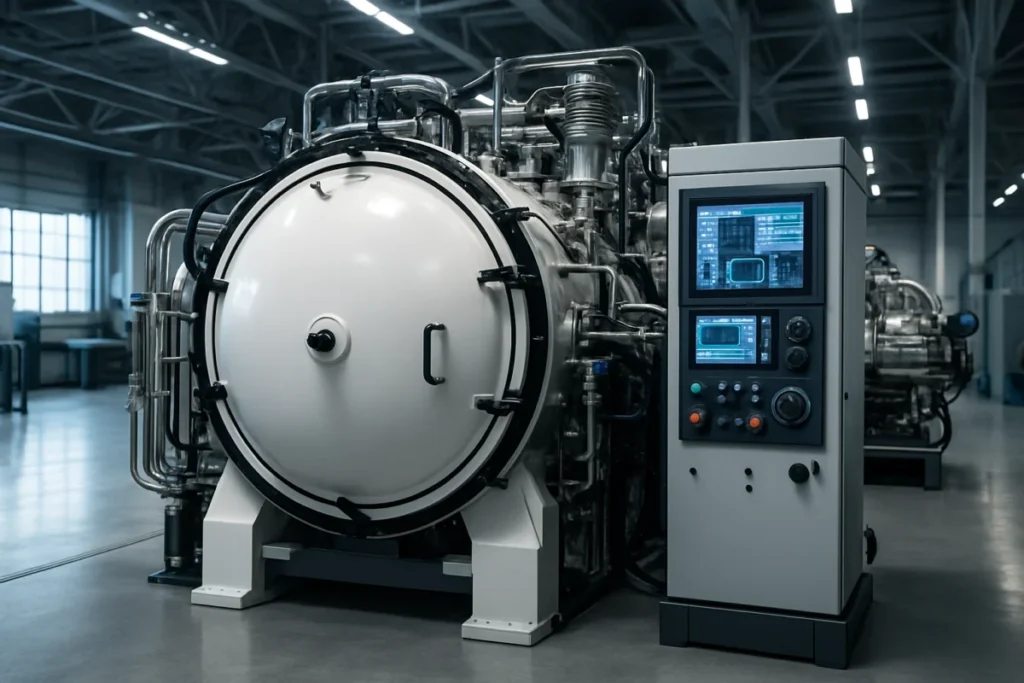
Vacuum sintering furnaces play a pivotal role in addressing porosity issues in aerospace parts. By utilizing a controlled atmosphere, these furnaces help in achieving high-precision joining and diffusion bonding. Unlike traditional methods, vacuum sintering ensures the removal of oxides and contaminants, resulting in parts with superior metallurgical properties.
In powder metallurgy, the vacuum sintering furnace is indispensable for producing parts with uniform density and strength. This technology provides the perfect environment for bond formation without the risk of oxidation, thus ensuring compliance with rigorous aerospace standards.
Applications in High-Precision Joining
High-precision joining processes, such as vacuum brazing, benefit enormously from vacuum technology. By operating under vacuum levels as low as 10⁻⁶ mbar, the process reduces the risk of voids and ensures joint integrity. This is crucial in aerospace applications where even minor defects can lead to catastrophic failures.
Furthermore, vacuum brazing allows for the joining of dissimilar metals, a common requirement in aerospace manufacturing. The precise control over temperature and environment makes it possible to achieve strong, reliable joints that meet the stringent demands of Nadcap and AMS standards.
Boosting Process Stability with Vacuum Heat Treatment
Vacuum heat treatment is another area where advanced sintering solutions shine. This process improves the mechanical properties of metal parts, enhancing their durability and performance. With temperature uniformity maintained within ±1°C, manufacturers can achieve consistent results batch after batch.
The repeatability of vacuum heat treatment cycles is paramount for process stability, particularly in aerospace where each component must meet exacting specifications. Automated systems ensure that each cycle is identical, reducing human error and increasing yield rates.
Compliance with Industry Standards
Adhering to industry standards is non-negotiable in aerospace and medical device manufacturing. Vacuum technology supports compliance with standards like Nadcap for aerospace and ISO 13485 for medical devices. These standards mandate stringent controls over production processes to ensure safety and efficacy.
Incorporating vacuum sintering and brazing into production workflows not only facilitates compliance but also enhances product quality. The precision and control offered by these processes enable manufacturers to produce parts that consistently meet regulatory requirements.
Embracing modern vacuum furnace technology can dramatically improve manufacturing outcomes. By ensuring process stability, enhancing product quality, and boosting yield rates, advanced sintering solutions offer a significant competitive edge. The ability to maintain vacuum levels up to 10⁻⁶ mbar and achieve temperature uniformity within ±1°C ensures that parts are not only compliant but also of superior quality.
For engineers seeking to optimize their processes, requesting technical datasheets or consultations can provide deeper insights into these technologies. Procurement managers can explore bulk solutions for cost efficiency, while quality teams might consider compliance validation and certification support to streamline operations.