In the complex world of powder metallurgy, achieving consistent part quality is a persistent challenge. Cracks in sintered parts can lead to costly rejections and compliance issues, particularly in industries like aerospace and medical devices where precision is paramount. Understanding the root causes and implementing effective solutions is crucial for maintaining high standards and efficiency.
Understanding the Vacuum Sintering Process
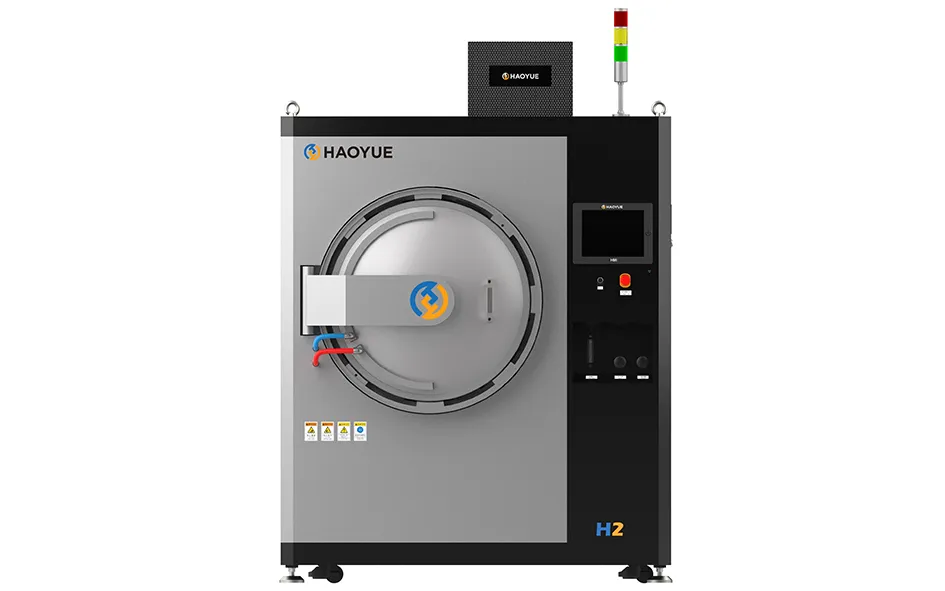
Vacuum sintering is a pivotal process in producing high-quality components. By utilizing a vacuum sintering furnace, manufacturers can enhance material properties and part integrity. The process involves heating powdered materials below their melting points, allowing particles to bond without significant deformation. This technique is essential in industries requiring high-precision joining and diffusion bonding.
Industrial Applications and Challenges
The application of vacuum sintering in aerospace and medical fields demands adherence to strict standards like Nadcap and FDA regulations. However, challenges such as temperature control and vacuum level maintenance often impede optimal results. For instance, achieving vacuum levels up to 10⁻⁶ mbar ensures minimal oxidation, a critical factor in preventing cracks.
Role of Vacuum Brazing in Quality Improvement
Vacuum brazing offers a robust solution for joining dissimilar metals with high precision. This technique is widely used in precision manufacturing due to its ability to deliver repeatable and automated batch consistency. By maintaining ±1°C temperature uniformity, vacuum brazing minimizes thermal stresses that could lead to part failure.
Common Production Hurdles
Despite its advantages, vacuum brazing is not without challenges. Ensuring cycle repeatability and compliance with standards such as ISO 13485 is critical. Precision control of the process parameters directly impacts the yield rate and cost efficiency, highlighting the importance of advanced vacuum technology in overcoming these barriers.
The Impact of Vacuum Heat Treatment
Vacuum heat treatment is another key process aimed at enhancing material properties while reducing production inefficiencies. This method is essential for improving process stability and product quality in powder metallurgy. By utilizing advanced vacuum technology, manufacturers can achieve superior metallurgical properties and extend component lifespan.
Compliance and Quality Assurance
Adhering to industry standards such as AMS and ISO is non-negotiable in sectors like aerospace and medical devices. Vacuum heat treatment helps in meeting these standards by providing reliable and consistent results. The ability to control temperature and vacuum conditions precisely is vital for compliance validation and certification support.
Modern vacuum furnace technology is revolutionizing the way industries approach sintering and joining processes. By addressing the root causes of common production challenges, it enhances process stability, product quality, and yield rates. Engineers can benefit from requesting detailed technical datasheets, while procurement managers might seek quotations for bulk solutions. Quality teams should inquire about compliance validation to ensure adherence to stringent standards.