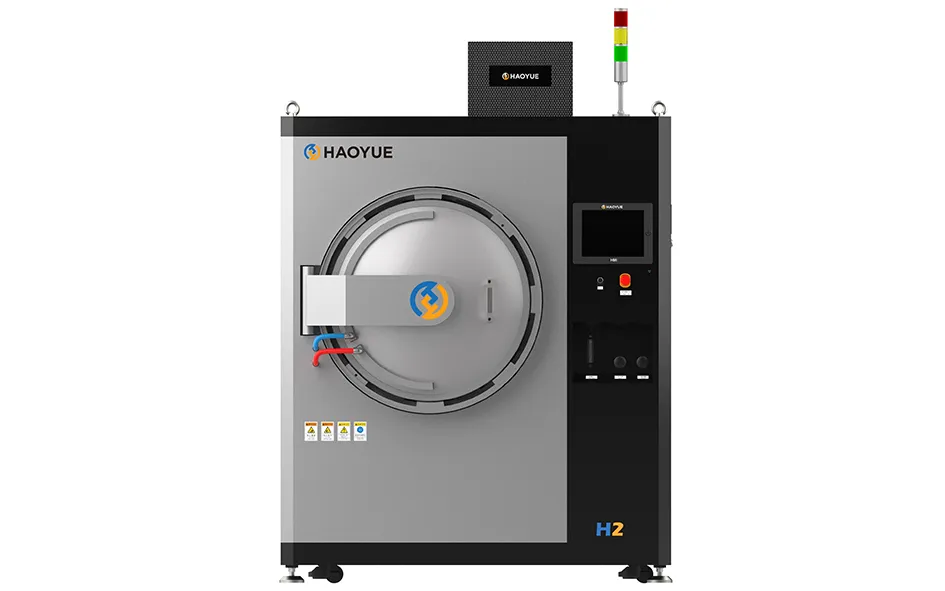
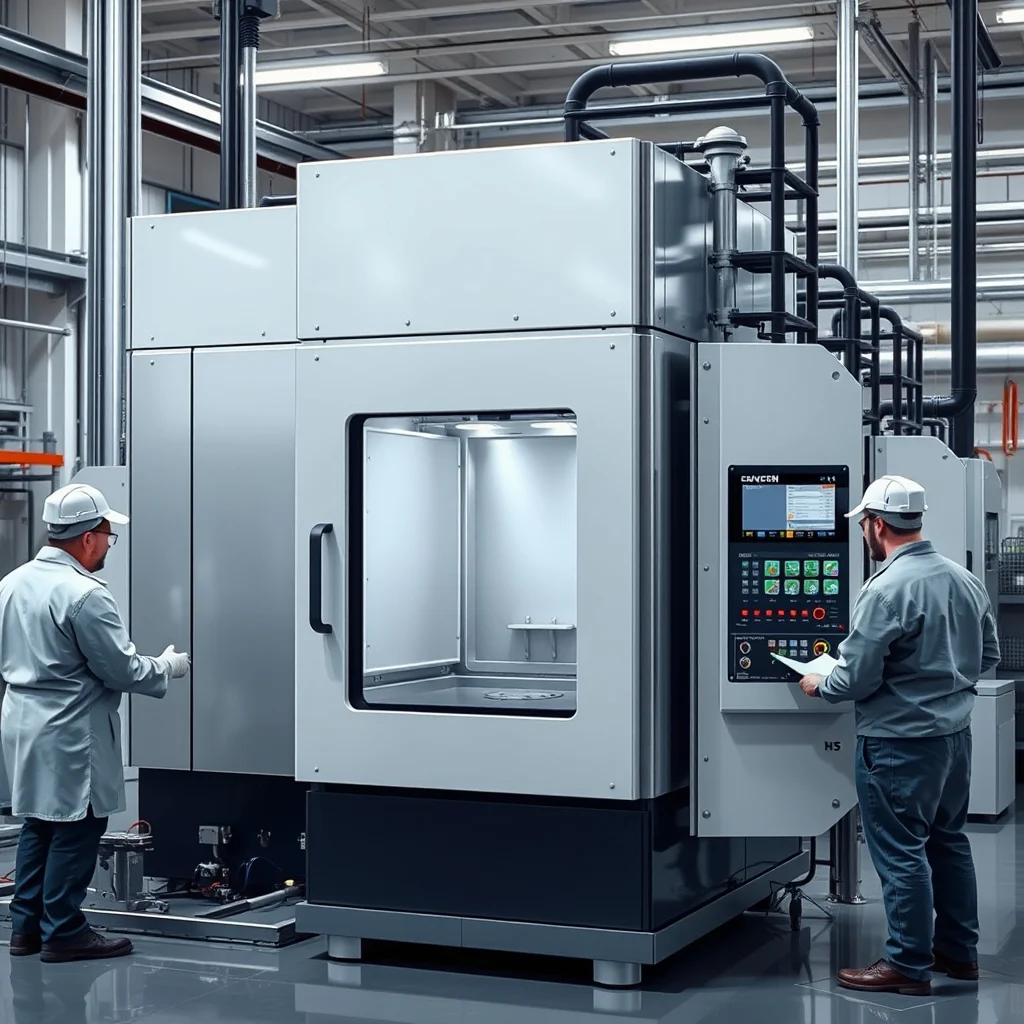
In the competitive world of precision manufacturing, achieving consistent part quality remains a significant challenge. Industries such as aerospace, medical devices, and powder metallurgy face issues like oxidation, contamination, and compliance risks. These problems can lead to production inefficiencies, particularly in processes like vacuum heat treatment, brazing, and joining.
Understanding Vacuum Brazing in Precision Manufacturing
Vacuum brazing is a critical process for achieving high-precision joining in various industries. It involves heating components in a vacuum environment to prevent oxidation and contamination, ensuring robust and reliable joints. The use of a vacuum sintering furnace in this process is pivotal, maintaining vacuum levels up to 10⁻⁶ mbar, crucial for sensitive materials.
In the aerospace sector, meeting Nadcap and AMS standards is essential for compliance. Vacuum brazing provides controlled conditions, reducing the risk of defects and enhancing the quality of joints, which is vital for aircraft components.
The Role of Diffusion Bonding in Industrial Applications
Diffusion bonding is another technique that relies on vacuum technology to deliver strong, homogeneous bonds without the need for filler materials. This process is particularly beneficial in the medical device industry, where FDA and ISO 13485 compliance are mandatory.
With the ability to achieve ±1°C temperature uniformity, diffusion bonding ensures repeatable and reliable results, crucial for manufacturing medical implants and equipment with exacting standards.
Enhancing Component Quality with Vacuum Heat Treatment
Vacuum heat treatment is a process that significantly improves the mechanical properties of metal components. By controlling the atmosphere within the treatment chamber, oxidation and contamination are minimized, leading to superior surface finishes and enhanced material properties.
For quality control professionals, this process supports compliance with global ISO standards, ensuring that every batch meets the required specifications.
Overcoming Challenges in Powder Metallurgy
Powder metallurgy often faces challenges related to densification and uniformity. Vacuum sintering addresses these by providing a controlled environment that enhances the metallurgical properties of powder-based components.
The precise control over temperature and vacuum levels ensures that components achieve the desired density and mechanical attributes, leading to improved yield rates and cost efficiency in production.
Optimizing Process Stability and Product Quality
Modern vacuum furnace technology offers solutions that improve process stability and product quality across various industries. With capabilities such as automated batch consistency and reliable cycle repeatability, manufacturers can achieve higher yield rates and better cost efficiency.
For engineers and quality teams, requesting technical datasheets or process consultations can provide deeper insights into optimizing these processes. Meanwhile, procurement managers can benefit from tailored bulk solutions and compliance validation support.