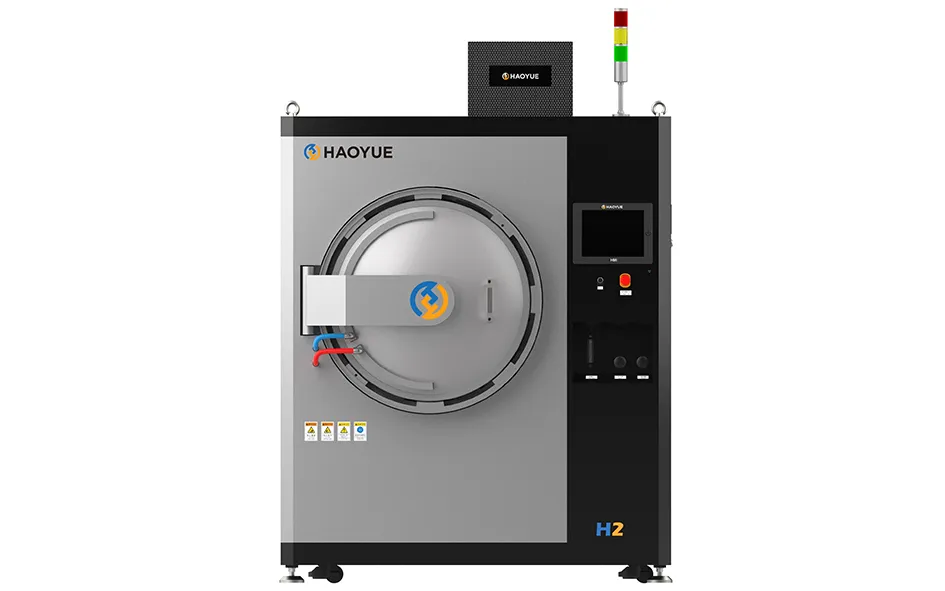
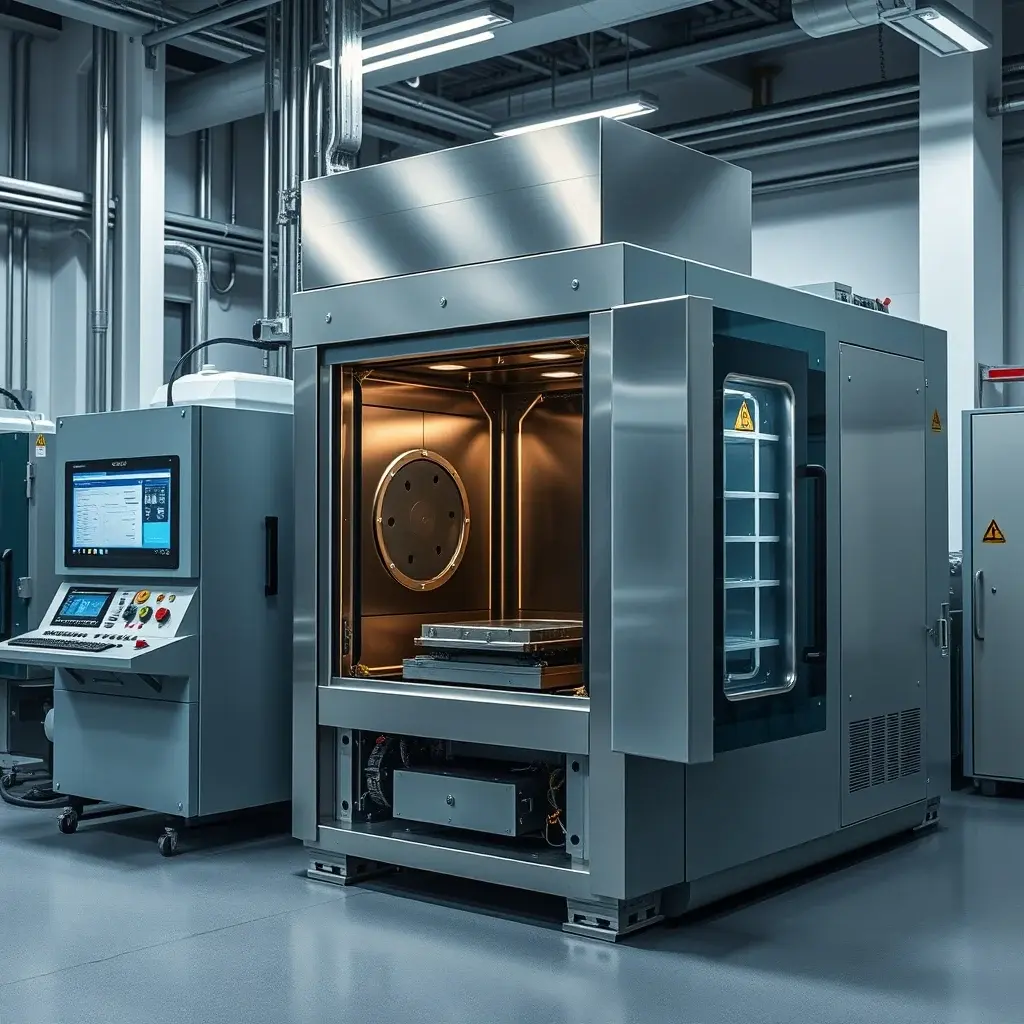
In the demanding world of precision manufacturing, achieving consistent sintering quality at scale remains a significant challenge. Industries such as aerospace and medical devices often grapple with issues like inconsistent part quality, contamination, and compliance risks. Vacuum technology, particularly the vacuum sintering furnace, plays a crucial role in addressing these issues and enhancing production efficiency.
Understanding Vacuum Sintering Furnace Technology
Vacuum sintering furnaces are pivotal in powder metallurgy and high-precision joining processes. These furnaces provide a controlled environment where temperature and vacuum levels are tightly regulated. With temperature control within ±1°C and vacuum levels reaching up to 10⁻⁶ mbar, these furnaces ensure uniform sintering across all parts, minimizing defects.
Industrial Applications of Vacuum Technology
In industries like aerospace, where compliance with standards such as Nadcap and AMS is mandatory, vacuum brazing and diffusion bonding offer reliable solutions. These techniques facilitate high-precision joining processes, essential for manufacturing components that meet strict regulatory standards.
Addressing Common Production Challenges
One major challenge in vacuum heat treatment is maintaining consistent quality across batches. Variations in temperature and vacuum levels can lead to part oxidation and contamination. Automated systems in modern furnaces help maintain cycle repeatability, ensuring each batch meets quality specifications.
Ensuring Compliance and Quality
Compliance with industry standards, such as ISO 13485 for medical devices and general ISO standards, is crucial. Vacuum technology supports these compliance efforts by providing conditions that meet or exceed regulatory requirements, thus reducing the risk of non-conformance and ensuring product safety and efficacy.
Improving Yield Rate and Cost Efficiency
By leveraging vacuum sintering technology, manufacturers can significantly improve yield rates and reduce costs. The ability to achieve consistent quality reduces waste and rework, leading to more efficient use of materials and labor. The repeatability and automation of vacuum systems also translate to reduced operational costs over time.
Advantages of Modern Vacuum Furnace Technology
Modern vacuum furnaces offer several advantages, including enhanced process stability and product quality. With features such as automated batch consistency and precise control of environmental parameters, these systems enable manufacturers to achieve high-performance standards consistently.
For process engineers and quality control professionals, exploring these vacuum technologies can lead to significant advancements in production capabilities. Engineers can request technical datasheets or consult on process improvements, while procurement managers may seek quotations for bulk solutions. Quality teams can inquire about compliance validation and certification support, ensuring all aspects of production are optimized for success.