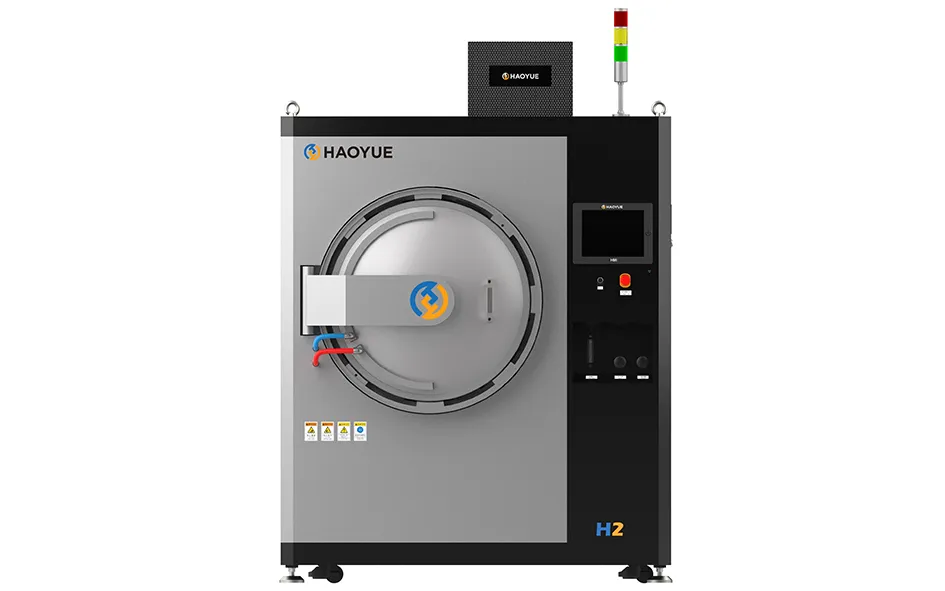
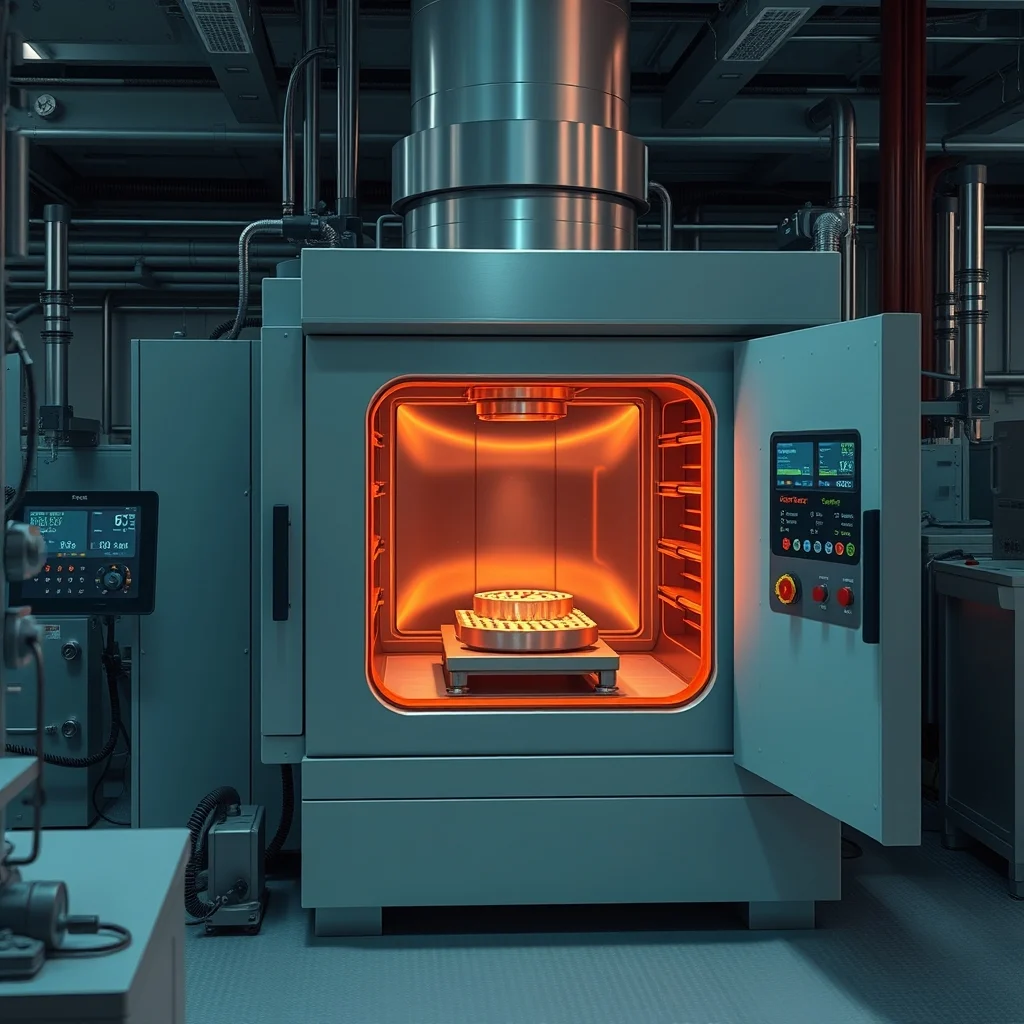
In the competitive world of precision manufacturing, inconsistent part quality remains a significant challenge. Companies face production inefficiencies and compliance risks, especially in processes like vacuum heat treatment and high-precision joining. Addressing these issues is critical to maintaining competitive advantage and meeting industry standards, such as Nadcap, ISO, and FDA regulations.
Understanding Vacuum Brazing Technology
Vacuum brazing is a key process in achieving high-precision joining of components. This technology is essential in industries like aerospace and medical devices, where joint integrity is critical. Vacuum brazing offers a controlled environment that minimizes oxidation and contamination, ensuring superior joint strength and reliability.
Real-world applications include the manufacturing of turbine blades and medical implants. By using vacuum brazing, manufacturers can achieve repeatable results, reducing the risk of joint failure and ensuring compliance with stringent standards.
Diffusion Bonding in Powder Metallurgy
Diffusion bonding is another vital process in precision manufacturing. It involves joining materials at the atomic level, often without melting. This technique is particularly useful in powder metallurgy, where it enhances material properties and part performance.
Common challenges in diffusion bonding include maintaining temperature control and ensuring uniform pressure distribution. Advanced vacuum sintering furnaces address these issues by offering precise temperature control, often within ±1°C, and vacuum levels as low as 10⁻⁶ mbar.
Optimizing Vacuum Sintering Furnace Performance
Vacuum sintering is crucial for producing high-quality parts with consistent properties. By utilizing a vacuum environment, manufacturers can prevent oxidation and achieve superior material properties. This is particularly important for components used in aerospace and medical applications where performance is critical.
Using vacuum sintering furnaces allows for cycle repeatability and automation, ensuring batch consistency and high yield rates. These improvements significantly enhance process stability and product quality.
Ensuring Compliance with Industry Standards
Compliance with industry standards such as Nadcap, AMS, FDA, and ISO 13485 is non-negotiable in precision manufacturing. Vacuum technology plays a crucial role in meeting these standards by providing a controlled environment that reduces risks and ensures product quality.
Manufacturers can benefit from the assurance of compliance validation and certification support, facilitating smoother processes and enhanced customer trust.
The adoption of modern vacuum furnace technology is transforming precision manufacturing. With capabilities like ±1°C temperature uniformity, vacuum levels down to 10⁻⁶ mbar, and automated batch consistency, manufacturers are overcoming traditional challenges. These advancements lead to improved process stability, higher product quality, and greater cost efficiency.
For process engineers, requesting technical datasheets or process consultations can provide deeper insights into optimizing your operations. Procurement managers can explore quotations for bulk solutions, while quality control teams benefit from compliance validation and certification support. Embracing these technologies not only enhances competitive positioning but also drives innovation in the industry.