In today’s highly competitive industrial landscape, achieving consistent product quality is paramount. Yet, many companies grapple with issues such as inconsistent part quality, oxidation, and contamination, especially in critical processes like vacuum heat treatment and brazing. The need for precise control is crucial, particularly in sectors like aerospace, medical devices, and precision manufacturing, where compliance with standards such as Nadcap, ISO, and FDA is non-negotiable.
Understanding Vacuum Brazing for High-Precision Joining
Vacuum brazing is a sophisticated process critical for high-precision joining in industries requiring superior bond strength and minimal distortion. This method effectively addresses common production challenges by eliminating the risk of oxidation and contamination. By utilizing a vacuum environment, manufacturers achieve cleaner and stronger joints. In aerospace applications, for instance, where Nadcap compliance is essential, vacuum brazing ensures part integrity and reliability.
Industrial Applications and Advantages
Industries such as powder metallurgy leverage vacuum brazing to enhance product quality. The process supports the creation of complex assemblies with diverse materials, ensuring optimal performance and longevity. Through precise temperature control and vacuum levels reaching up to 10⁻⁶ mbar, companies can improve their yield rates significantly.
The Role of Vacuum Sintering Furnaces
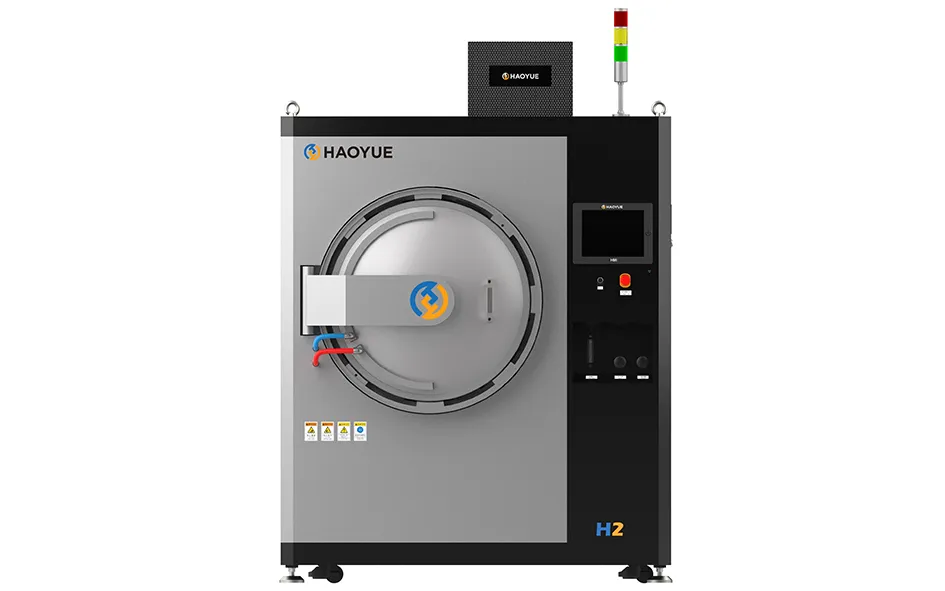
Vacuum sintering furnaces are indispensable in achieving uniform material properties and high density in metal parts. By providing a controlled environment free of contaminants, these furnaces enhance the quality of components produced in powder metallurgy. The ability to maintain ±1°C temperature uniformity is crucial for producing parts that meet stringent industry standards, such as ISO 13485 for medical devices.
Addressing Production Inefficiencies
Implementing vacuum sintering not only resolves quality issues but also optimizes production efficiency. The repeatable and automated batch consistency offered by these furnaces reduces cycle times and costs, enabling companies to compete more effectively in global markets.
Diffusion Bonding and Its Impact on Process Stability
Diffusion bonding is a technique that relies on the principle of atomic diffusion to join materials without melting. This method is especially valuable in applications requiring high strength and minimal deformation. In the medical device industry, where FDA compliance is crucial, diffusion bonding ensures that components meet all regulatory requirements while maintaining process stability.
Enhancing Product Quality and Compliance
By utilizing vacuum technology in diffusion bonding, manufacturers achieve superior bond strength and eliminate impurities. This results in products that not only meet but exceed industry standards, ensuring safety and reliability in critical applications.
Incorporating modern vacuum furnace technology into your sintering processes can dramatically improve process stability, product quality, and cost efficiency. By ensuring temperature uniformity and maintaining high vacuum levels, companies can achieve repeatable and automated batch consistency, leading to better yield rates and reduced operational costs. Engineers interested in optimizing their processes should request technical datasheets or process consultations. Procurement managers can explore bulk solutions or request quotations, while quality teams might inquire about compliance validation and certification support to align with industry standards and enhance operational success.