In the competitive landscape of precision manufacturing, challenges like inconsistent part quality and production inefficiencies often plague industries such as powder metallurgy and aerospace. These issues are particularly prevalent in processes like vacuum heat treatment and high-precision joining, where the need for stringent compliance with standards like Nadcap and ISO is crucial.
Understanding Vacuum Brazing and Its Industrial Application
Vacuum brazing is a critical process in achieving high-integrity joints without the risk of oxidation or contamination. This technique is widely used in aerospace and medical device manufacturing, where maintaining the purity of joints is paramount. The vacuum environment prevents oxidation, ensuring clean, strong bonds that meet rigorous standards like AMS and ISO 13485.
By employing vacuum brazing, manufacturers can address common challenges such as porosity and weak joints, leading to improved product quality and reliability. The precision control offered by vacuum furnaces facilitates uniform heating, which is essential for consistent outcomes.
Exploring the Benefits of Vacuum Sintering Furnaces
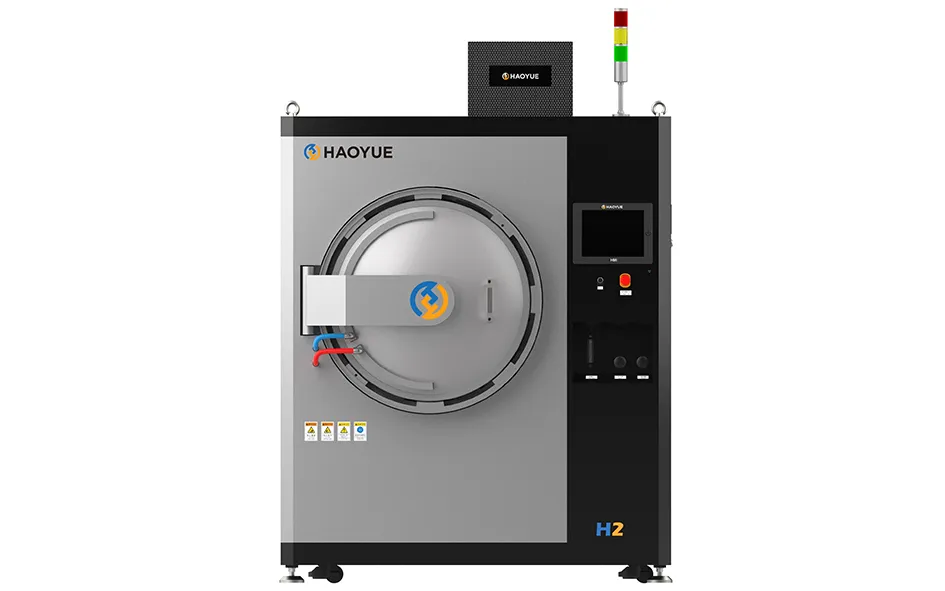
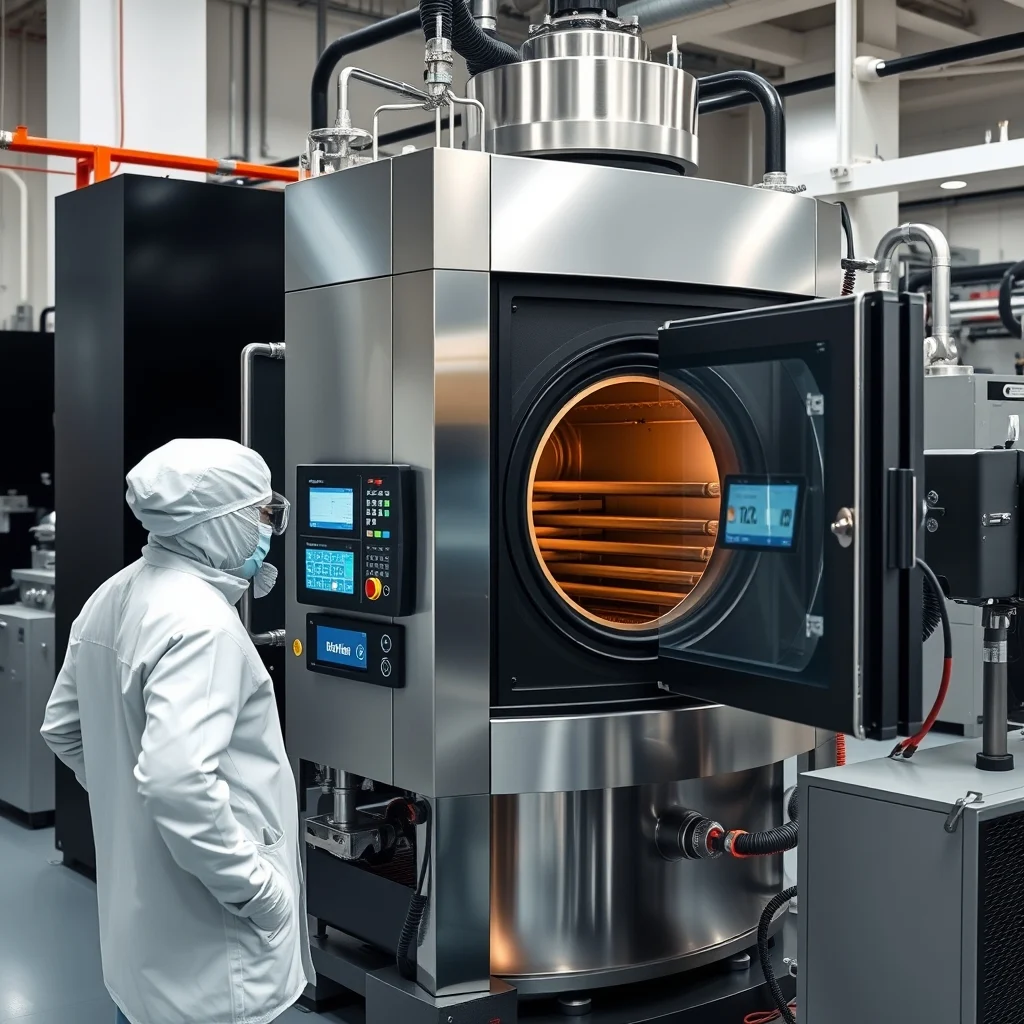
Vacuum sintering furnaces play a pivotal role in powder metallurgy, where precise temperature control is necessary to achieve uniform microstructures. These furnaces enable high-temperature processing with vacuum levels reaching up to 10⁻⁶ mbar, drastically reducing the risk of contamination during the sintering process.
Industries benefit from vacuum sintering by achieving higher density components with improved mechanical properties. This process also enhances yield rates and cost efficiency by ensuring repeatable batch consistency, critical for maintaining competitive advantage.
Overcoming Challenges with Diffusion Bonding
Diffusion bonding is a sophisticated joining method that relies on atomic diffusion to create strong, seamless bonds between materials. This process is highly effective in applications requiring high-precision joining, such as in the aerospace and medical sectors.
Vacuum technology is integral to diffusion bonding, as maintaining a controlled environment prevents the introduction of impurities that could compromise bond integrity. The ability to achieve ±1°C temperature uniformity across the bonding surfaces ensures consistent quality and compliance with stringent industry standards.
Meeting Industry Standards and Ensuring Compliance
Compliance with industry standards is non-negotiable, especially in sectors like aerospace and medical devices. Vacuum furnaces are designed to meet and exceed requirements set by Nadcap, FDA, and various ISO standards, providing manufacturers with the assurance of quality and safety.
Advanced furnace technologies offer automated process control and monitoring, facilitating compliance validation and certification support for quality teams. This capability is essential for maintaining credibility and trust in global markets.
Adopting state-of-the-art vacuum furnace technology is a strategic investment for high-end tool brands. It enhances process stability, product quality, and cost efficiency, crucial factors for staying ahead in competitive markets. With capabilities like ±1°C temperature uniformity and vacuum levels up to 10⁻⁶ mbar, manufacturers are equipped to deliver superior products consistently.
Process engineers and procurement managers are encouraged to request technical datasheets or process consultations to further explore the benefits of vacuum technology. Quality control professionals can inquire about compliance validation and certification support to ensure seamless integration into existing production lines.