In the high-stakes world of precision manufacturing, the quest for consistent part quality is relentless. Industries such as aerospace and medical devices often face challenges stemming from inconsistencies in their production processes. One major pain point is the occurrence of defects during cemented carbide production. These defects can result from oxidation, contamination, and inefficient processes, especially during vacuum heat treatment, brazing, and joining operations.
Understanding Vacuum Brazing in High-Precision Joining
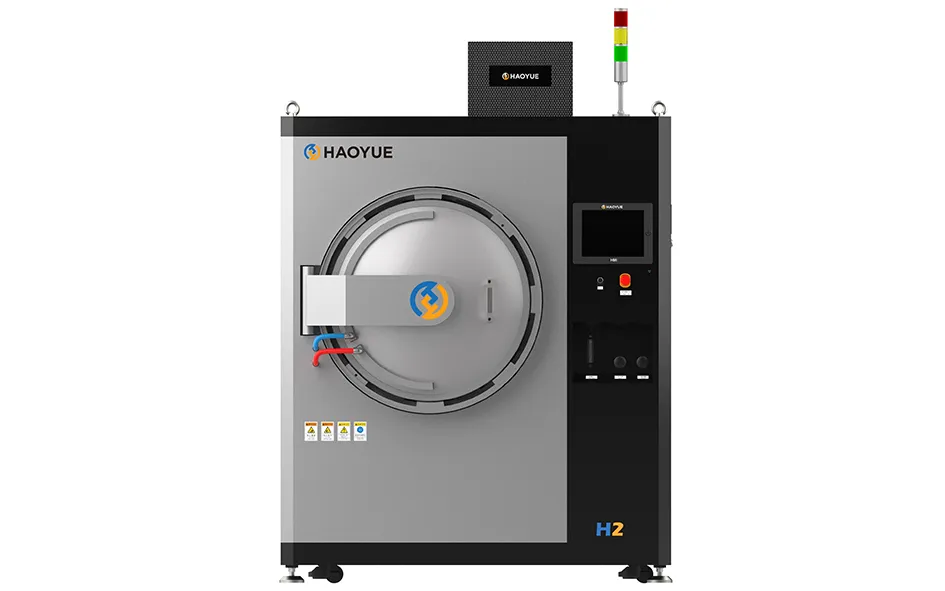
Vacuum brazing is a critical process in high-precision joining, offering a clean, controlled environment to prevent oxidation and contamination. By using a vacuum sintering furnace, manufacturers can achieve superior joint strength and integrity essential for demanding applications. In industrial settings, the controlled atmosphere ensures that the brazed joints meet stringent quality standards, reducing defects significantly.
Applications in Powder Metallurgy
In powder metallurgy, vacuum brazing plays a pivotal role. By minimizing the presence of impurities and controlling the temperature precisely, manufacturers can enhance the reliability and performance of cemented carbide components. This is especially crucial for parts used in aerospace, where compliance with Nadcap and AMS standards is non-negotiable.
Enhancing Performance with Diffusion Bonding
Diffusion bonding is another technique that leverages vacuum technology to join materials without the need for filler metals. This process is particularly beneficial for creating high-strength, defect-free components. By maintaining vacuum levels up to 10⁻⁶ mbar, diffusion bonding ensures the absence of oxidation and promotes uniform material properties.
Industrial Challenges and Solutions
One of the common challenges in industrial applications is achieving uniform temperature distribution. With modern vacuum furnace technology, manufacturers can now ensure ±1°C temperature uniformity, enhancing the consistency and repeatability of the bonding process. This level of precision is crucial for meeting ISO standards in medical device manufacturing.
Vacuum Heat Treatment: A Game Changer
Vacuum heat treatment is a transformative process in the production of cemented carbides. By providing a controlled environment, it mitigates the risks of contamination and enhances the mechanical properties of the materials. This process is particularly advantageous in aerospace and medical applications where compliance with FDA and ISO 13485 standards is essential.
Achieving Compliance and Quality
The ability to consistently meet industry standards is a testament to the effectiveness of vacuum heat treatment. With automated batch consistency and repeatability, manufacturers can ensure that each production cycle meets the required specifications, thus improving the yield rate and reducing costs.
Modern vacuum furnace technology is revolutionizing cemented carbide production by enhancing process stability and product quality. With advanced features like ±1°C temperature uniformity and vacuum levels up to 10⁻⁶ mbar, manufacturers can achieve repeatable and automated batch consistency. This not only improves the yield rate but also boosts cost efficiency, making it an invaluable asset in high-precision industries.
For process engineers seeking to optimize their production, requesting technical datasheets or process consultations can provide deeper insights. Procurement managers can explore quotation requests for bulk solutions, while quality control teams may inquire about compliance validation and certification support to ensure adherence to industry standards.