In the world of precision manufacturing, achieving the perfect microstructure in carbide tools is a critical challenge. Inconsistent part quality, oxidation, and contamination often plague production processes, leading to compliance risks with stringent standards like Nadcap, ISO, and FDA. Addressing these issues with advanced vacuum heat treatment and other technologies is essential for industries like aerospace and medical devices.
Understanding Vacuum Brazing for High-Precision Joining
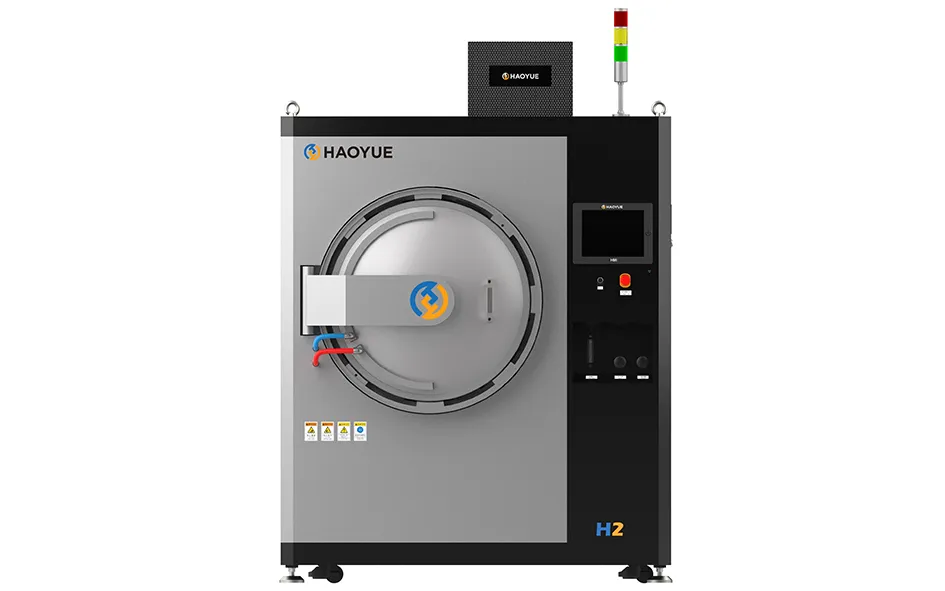
Vacuum brazing is a key process in high-precision joining, offering an effective solution to common production challenges. This technique ensures clean joins without oxidation, essential for maintaining the integrity of carbide tools. By utilizing a vacuum environment, manufacturers can achieve superior bond strength and reduced contamination, meeting the high standards required in aerospace and medical applications.
Industrial Applications of Vacuum Brazing
In industries like powder metallurgy, vacuum brazing is employed to join complex assemblies where traditional methods fall short. The process is particularly beneficial in creating durable, high-strength joints needed for aerospace components, which must adhere to rigorous Nadcap and AMS standards.
Optimizing Vacuum Sintering Furnace Conditions
To achieve the perfect microstructure, control over the vacuum sintering furnace conditions is vital. Maintaining precise temperature control and vacuum levels, often up to 10⁻⁶ mbar, is crucial for consistent quality. This precision allows for the uniform sintering of materials, a fundamental requirement in producing carbide tools with optimal properties.
Challenges in Temperature Control
One of the main challenges in vacuum sintering is achieving ±1°C temperature uniformity. This level of control ensures that each batch of parts meets exacting specifications, reducing the risk of defects and enhancing product quality.
Enhancing Process Stability with Diffusion Bonding
Diffusion bonding is another technique that benefits significantly from vacuum technology. By promoting material diffusion at atomic levels, it creates strong, seamless bonds without the need for additional filler materials. This method is crucial for applications in the medical device industry, where FDA and ISO 13485 compliance are paramount.
Real-World Applications and Benefits
In medical device manufacturing, diffusion bonding under vacuum conditions ensures the integrity and safety of components. The process is highly repeatable, offering automated batch consistency that enhances yield rates and reduces production costs.
Industry Standards and Compliance
Adhering to industry standards is non-negotiable in sectors like aerospace and medical devices. Vacuum technology plays a pivotal role in meeting these standards by ensuring process repeatability and product reliability. With compliance to Nadcap, AMS, and ISO standards, vacuum processes provide a competitive edge in global markets.
Modern vacuum furnace technology offers unmatched advantages in achieving perfect microstructure in carbide tools. It ensures process stability, enhances product quality, and improves yield rates, all while maintaining cost efficiency. The ability to achieve ±1°C temperature uniformity and vacuum levels up to 10⁻⁶ mbar ensures that each production cycle meets exacting standards. By investing in these technologies, industries can elevate their manufacturing processes and ensure compliance with stringent regulations.
For engineers seeking technical datasheets or process consultation, procurement managers interested in quotations or bulk solutions, and quality teams needing compliance validation and certification support, these advancements in vacuum technology offer substantial benefits. Embracing these solutions not only addresses current industrial challenges but also sets the foundation for future innovation.