In the demanding world of powder metallurgy and precision manufacturing, ensuring consistent part quality is paramount. Industries such as aerospace and medical devices often face challenges with oxidation, contamination, and compliance risks in their production processes. The choice between SinterHIP and conventional sintering can significantly impact these variables, particularly in vacuum heat treatment applications.
Understanding SinterHIP Technology
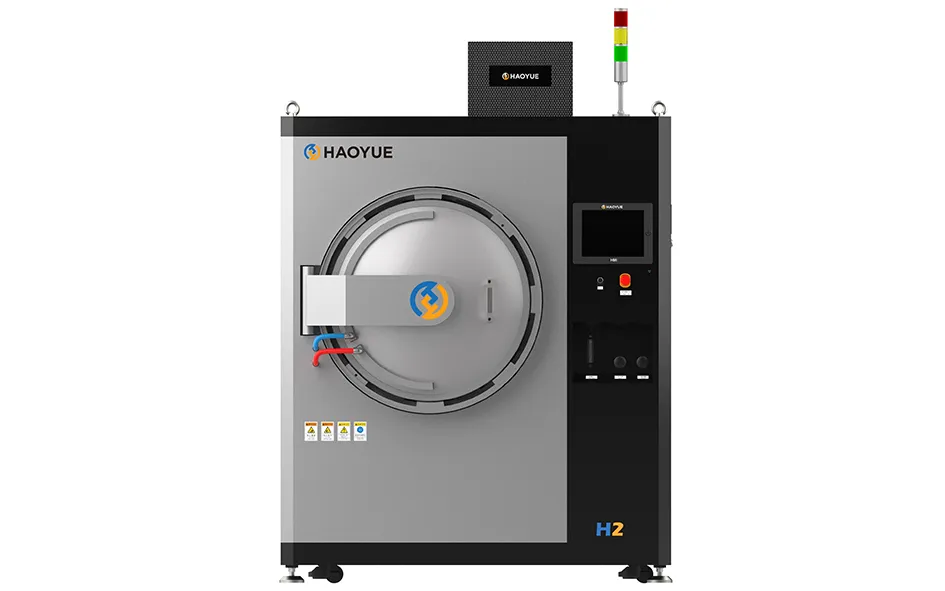
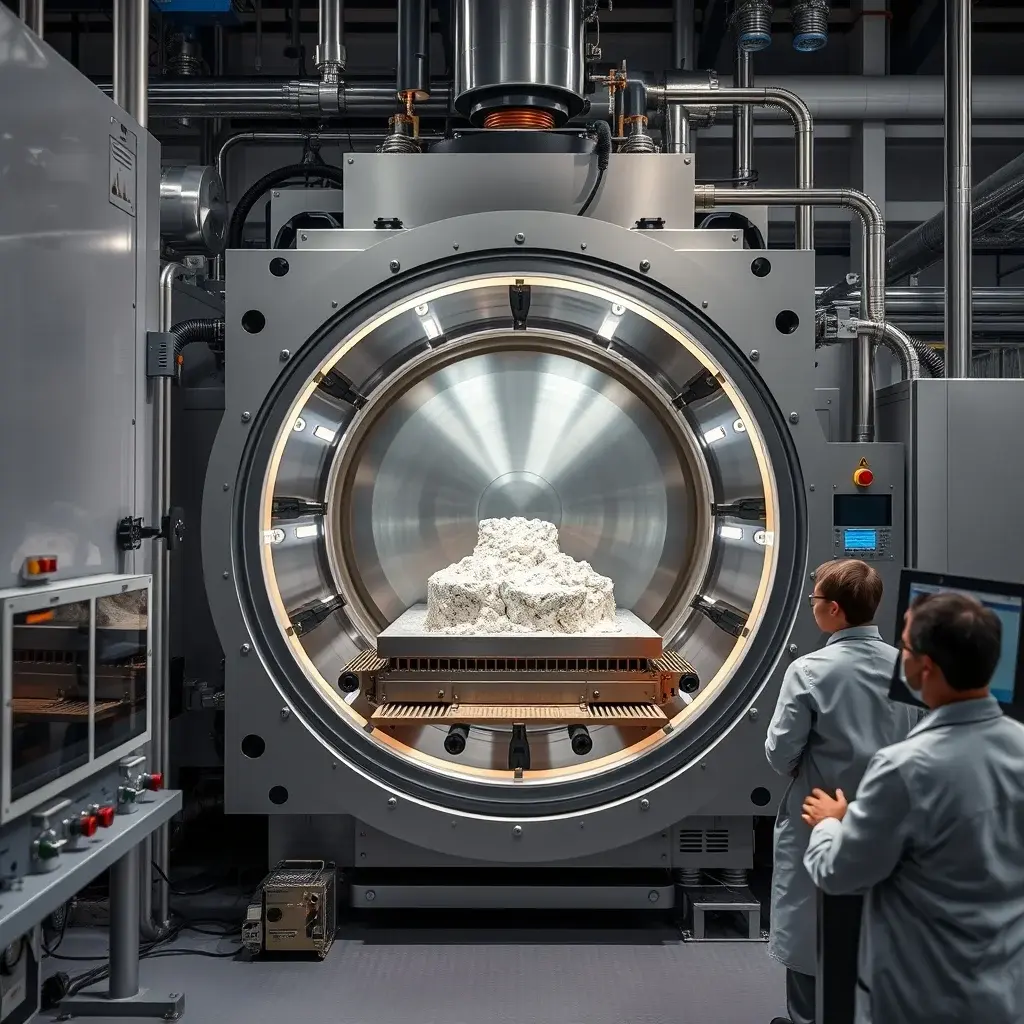
SinterHIP, or sinter hot isostatic pressing, is a process that combines conventional sintering with hot isostatic pressing in a vacuum sintering furnace. This method enhances the mechanical properties of materials, making it ideal for high-performance applications.
In industries like aerospace, where Nadcap compliance is crucial, the ability to achieve uniform densification is a game-changer. SinterHIP addresses common issues such as porosity and incomplete diffusion bonding, providing a higher-quality end product.
Real-World Applications
In the medical field, SinterHIP is used to produce implants with superior biocompatibility and strength, meeting strict FDA and ISO 13485 standards. By using vacuum technology, manufacturers can minimize oxidation and improve high-precision joining, crucial for patient safety and product reliability.
Conventional Sintering Process
Conventional sintering involves heating powdered materials below their melting points to bond particles. It is widely used in various industries due to its cost-effectiveness and simplicity. However, it presents challenges such as inconsistent temperature control and oxidation risks, particularly in vacuum heat treatment.
In powder metallurgy, maintaining vacuum levels up to 10⁻⁶ mbar during the sintering process is essential to prevent contamination. Conventional sintering often struggles with achieving the ±1°C temperature uniformity needed for precision applications.
Industrial Challenges
Manufacturers face difficulties in achieving repeatable and automated batch consistency, impacting yield rates and product quality. Vacuum brazing and diffusion bonding techniques used in conjunction with vacuum sintering furnaces can mitigate these issues by providing controlled environments for material processing.
The Role of Vacuum Technology
Vacuum technology plays a crucial role in both SinterHIP and conventional sintering processes. By reducing atmospheric pressure, it minimizes the risk of contamination and improves diffusion bonding. This technology is essential for industries that require high-precision joining and consistent material properties.
For process engineers, maintaining strict temperature control and vacuum levels is key to achieving optimal results. Advanced vacuum systems provide the stability needed to meet stringent industry standards and compliance requirements.
Improving Process Efficiency
With modern vacuum furnace technology, manufacturers can enhance process stability, increase product quality, and improve yield rates. These advancements lead to significant cost efficiency, making them a favored choice in competitive industries.
By leveraging vacuum technology, manufacturers can achieve precise temperature control, ensuring consistent and reliable results. This not only enhances product performance but also supports compliance with industry standards such as AMS for aerospace and ISO for general manufacturing.
For engineers seeking technical datasheets or process consultations, procurement managers interested in quotations or bulk solutions, and quality teams looking for compliance validation, modern vacuum furnace technology provides the tools necessary to meet these needs effectively.