Inconsistent part quality, oxidation, and contamination are frequent challenges in cutting tool manufacturing, often leading to costly production inefficiencies and compliance risks. Industries such as powder metallurgy, aerospace, and precision manufacturing are constantly searching for ways to enhance their process stability and product quality. Vacuum technology emerges as a pivotal solution to these industry pain points, offering significant improvements in the manufacturing process.
Understanding Vacuum Brazing for Improved Quality
Vacuum brazing is a critical process in creating high-precision joints, especially in industries requiring superior strength and durability. By utilizing a vacuum environment, manufacturers can effectively eliminate oxidation, which is a common issue in conventional brazing methods. The absence of oxygen ensures that the joints remain clean and strong, leading to improved product lifespan and reliability. This technique is particularly beneficial in aerospace applications, where adherence to Nadcap standards is crucial.
Utilizing Diffusion Bonding in Industrial Applications
Diffusion bonding offers a unique approach to high-precision joining, which is essential in the fabrication of complex components in the medical device industry. This process relies on the application of heat and pressure in a vacuum sintering furnace, ensuring that metallurgical bonds are formed without melting the base materials. The ability to produce components that meet ISO 13485 compliance underscores the significance of diffusion bonding in maintaining rigorous quality standards.
Vacuum Sintering Furnace: Enhancing Powder Metallurgy
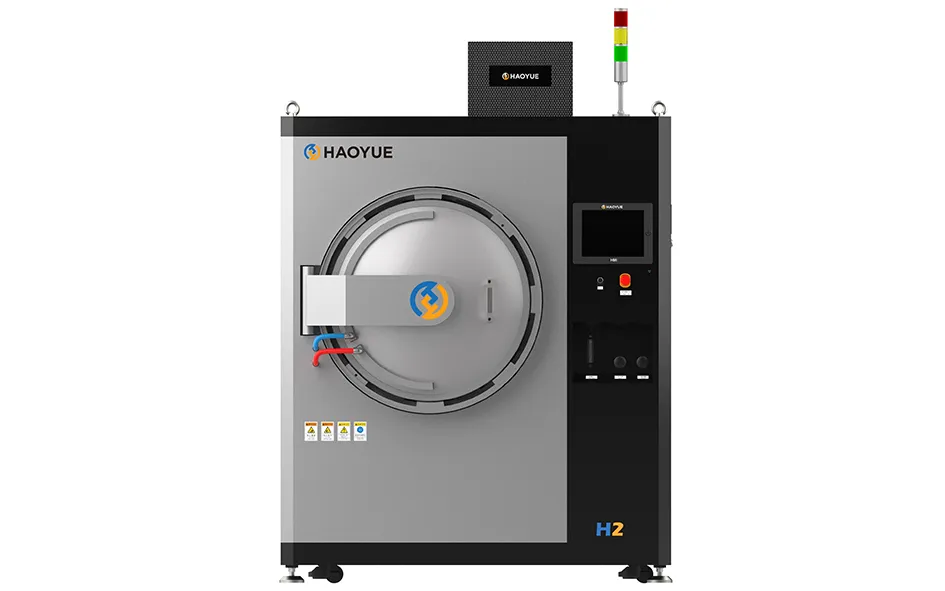
In powder metallurgy, the vacuum sintering furnace plays a vital role in achieving uniform material properties. By maintaining precise temperature control and vacuum levels up to 10⁻⁶ mbar, manufacturers can ensure consistent sintering results across multiple cycles. This enhances batch repeatability and reduces waste, directly impacting the cost-efficiency and yield rates in production. Such precision is indispensable in meeting the stringent requirements set by aerospace and general ISO standards.
Achieving Consistent Results with Vacuum Heat Treatment
Vacuum heat treatment is another area where cutting tool manufacturers can boost productivity. This process provides ±1°C temperature uniformity, crucial for achieving the desired material properties without introducing unwanted stress or distortion. The automated and repeatable nature of vacuum heat treatment ensures that each batch meets the high standards required by industries such as aerospace and medical devices, thereby reducing the risk of non-compliance with AMS and FDA regulations.
Industry Standards and Compliance in Manufacturing
Adhering to industry standards such as Nadcap, AMS, and ISO is non-negotiable in maintaining product quality and safety. Modern vacuum furnace technology not only ensures compliance but also enhances overall process stability. By utilizing cutting-edge technology, manufacturers can achieve superior product quality and yield rate while optimizing cost efficiency.
Request technical datasheets or process consultations to explore how vacuum technology can transform your manufacturing processes. Procurement managers can benefit from tailored quotations or bulk solutions, while quality teams can inquire about compliance validation and certification support, ensuring your production line meets the highest standards of excellence.