In the competitive field of carbide production, achieving consistent part quality is a top priority. However, binder residues often lead to contamination and compromise product integrity, especially during vacuum heat treatment processes. This presents a significant challenge for industries like powder metallurgy, aerospace, and precision manufacturing, where compliance with standards such as Nadcap, ISO, and FDA is critical.
Understanding Vacuum Brazing and Its Applications
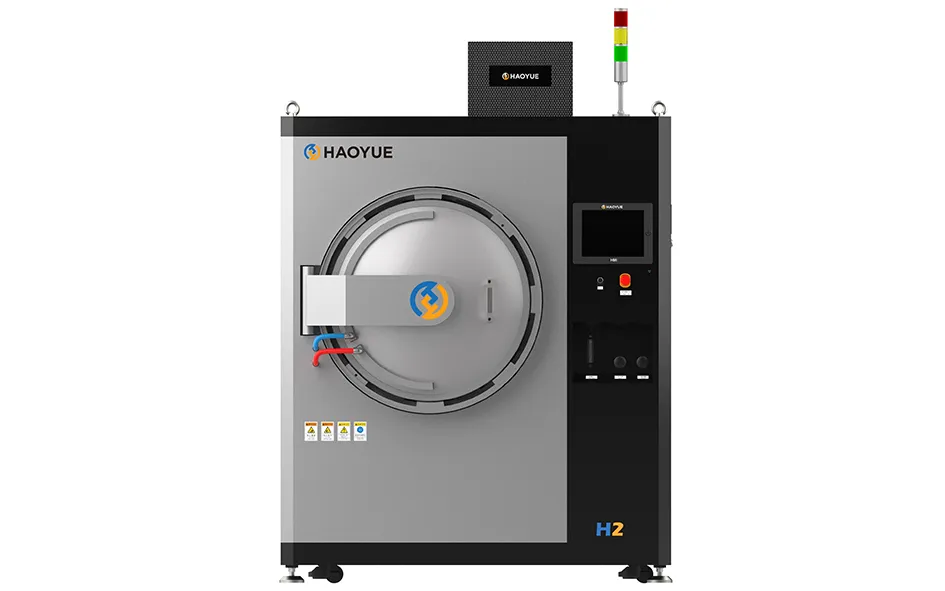
Vacuum brazing is a precise joining process that utilizes a vacuum sintering furnace to eliminate binder residues effectively. This technique is crucial in applications where high-precision joining is required, such as in the aerospace and medical device sectors. The absence of oxygen in the vacuum environment prevents oxidation, ensuring clean and strong joints.
Common Challenges in Vacuum Brazing
One of the main challenges faced in vacuum brazing is maintaining temperature control. Achieving ±1°C temperature uniformity is essential to ensure the integrity of the joints. Additionally, maintaining vacuum levels up to 10⁻⁶ mbar is necessary to prevent any contamination during the process.
Diffusion Bonding for Enhanced Material Properties
Diffusion bonding is another critical process that benefits from vacuum technology. By applying heat and pressure in a controlled vacuum environment, materials can be bonded without the need for additional filler metals. This results in joints with superior mechanical properties, ideal for high-stress applications in aerospace and precision manufacturing.
Achieving Consistent Results
Cycle repeatability is a key factor in diffusion bonding. Automated systems ensure repeatable and consistent batch processing, minimizing the risk of defects. This reliability is crucial for sectors adhering to strict compliance standards like AMS and ISO 13485.
Vacuum Heat Treatment for Improved Process Stability
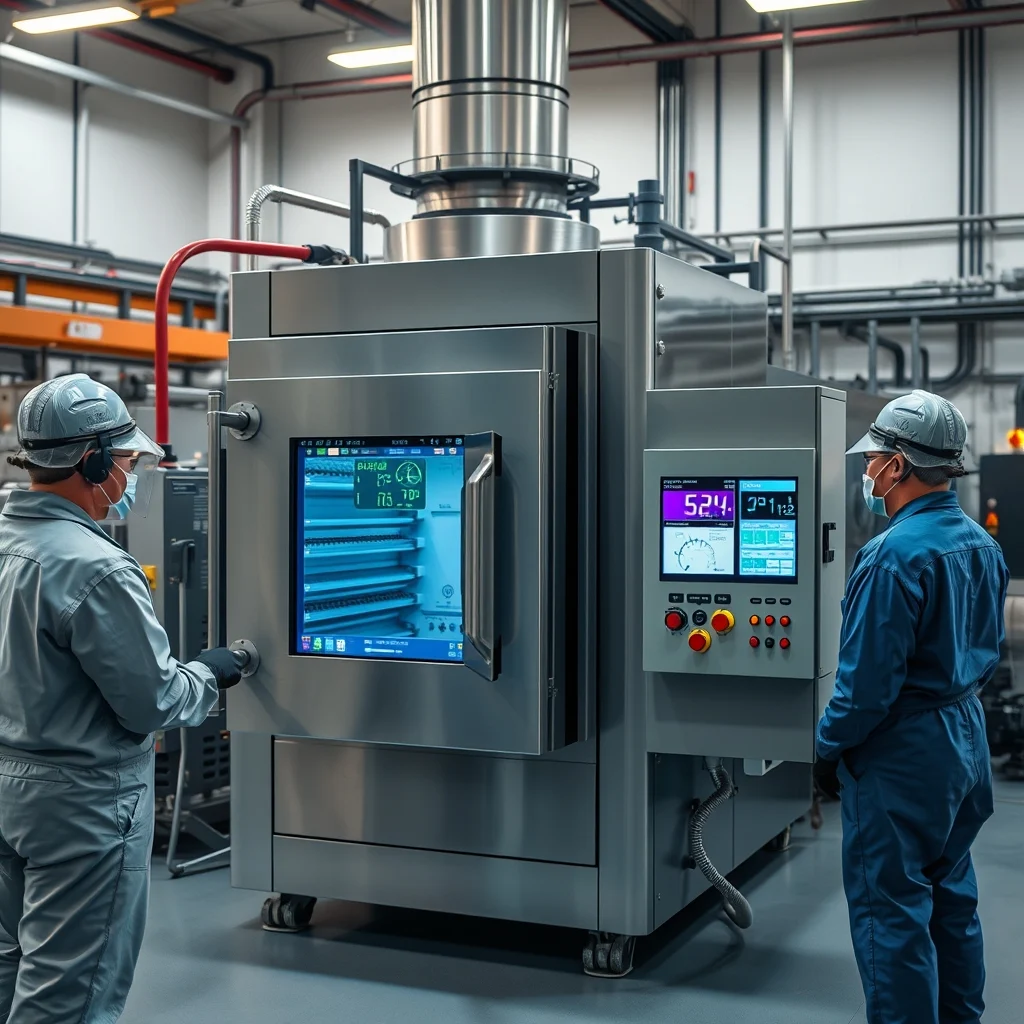
Vacuum heat treatment is indispensable for enhancing process stability in powder metallurgy. By utilizing a vacuum sintering furnace, manufacturers can achieve uniform temperature distribution and controlled atmosphere conditions. This results in higher yield rates and improved product quality.
Addressing Compliance and Quality Concerns
Industries must comply with various standards to ensure product quality and safety. Vacuum heat treatment helps meet these requirements by providing a controlled environment that reduces contamination and oxidation risks. Compliance validation through certifications like Nadcap and ISO further supports product integrity.
Modern vacuum furnace technology offers significant advantages in eliminating binder residues and enhancing carbide production processes. With precise temperature control and vacuum levels, manufacturers can achieve stable processes, high product quality, and increased yield rates. Investing in advanced vacuum systems not only ensures compliance with industry standards but also provides cost-efficient solutions.
For process engineers and quality control professionals, requesting technical datasheets or process consultations can provide deeper insights into optimizing your production. Procurement managers can benefit from tailored quotations and bulk solutions, while quality teams can seek support for compliance validation and certification.