In industries such as aerospace, medical devices, and precision manufacturing, inconsistent part quality and production inefficiencies can significantly impact operational success. One of the primary challenges faced by process engineers is achieving crack-free tungsten carbide sintering. This complex process, often hindered by oxidation and contamination, requires precise control over various parameters.
Understanding Vacuum Sintering Furnace Technology
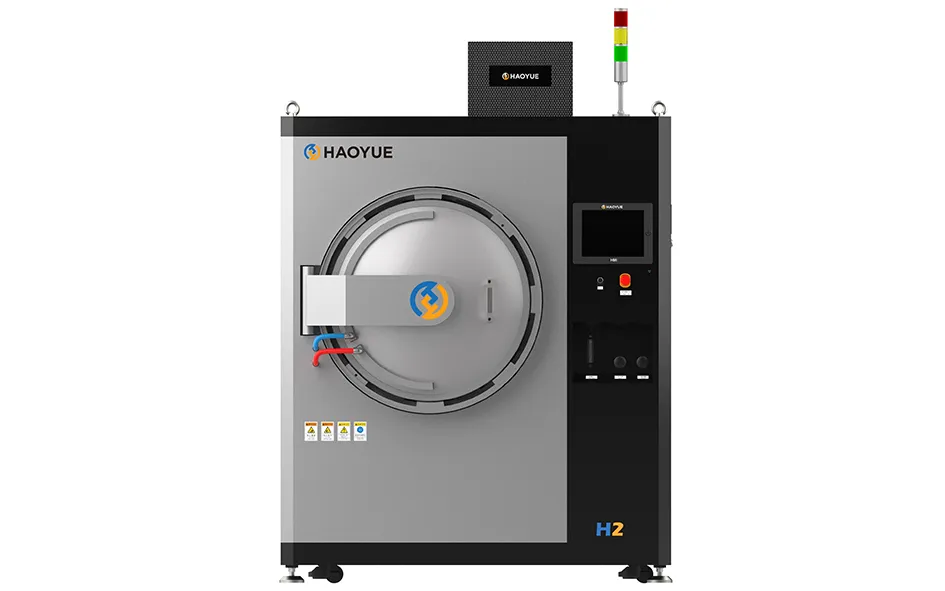
Vacuum sintering furnaces are pivotal in addressing these challenges by providing a controlled environment that minimizes oxidation. This technology is crucial for powder metallurgy, where maintaining the integrity of materials during high-temperature processes is essential. By achieving vacuum levels up to 10⁻⁶ mbar, these furnaces ensure the purity and quality of the sintered components.
Role of Temperature Control
Temperature uniformity, often within ±1°C, is critical in vacuum sintering. This precision ensures consistent microstructure and mechanical properties of tungsten carbide parts. The ability to control temperature with such accuracy prevents defects, leading to higher quality outcomes and reduced waste.
Enhancing Joint Integrity with Vacuum Brazing
Vacuum brazing is another key process that benefits from advanced furnace technology. High-precision joining and diffusion bonding techniques rely on vacuum environments to prevent contamination and enhance joint strength. This is particularly important in the aerospace industry, where compliance with Nadcap and AMS standards is non-negotiable.
Diffusion Bonding in Medical Device Manufacturing
In medical device production, diffusion bonding is used to create reliable joints without introducing foreign materials. By employing vacuum technology, manufacturers can meet stringent FDA and ISO 13485 requirements, ensuring both safety and performance of medical components.
Achieving Compliance and Efficiency
Industries must navigate a complex landscape of standards and regulations. Vacuum heat treatment processes support compliance efforts by offering repeatable batch consistency and automated control, thus reducing human error. The integration of these technologies not only meets ISO standards but also improves operational efficiency.
Impact on Yield and Cost
By utilizing vacuum furnace technology, manufacturers can enhance yield rates and lower costs. The precision and consistency provided by these systems reduce material waste and rework, translating into direct cost savings and improved profitability.
Modern vacuum furnace technology offers unparalleled advantages for process engineers and quality control professionals. Its ability to maintain process stability and improve product quality is unmatched, making it indispensable for industries demanding high precision. Engineers are encouraged to request technical datasheets or process consultations, while procurement managers can request quotations for bulk solutions. Quality teams should explore compliance validation and certification support to fully leverage these technological advancements.