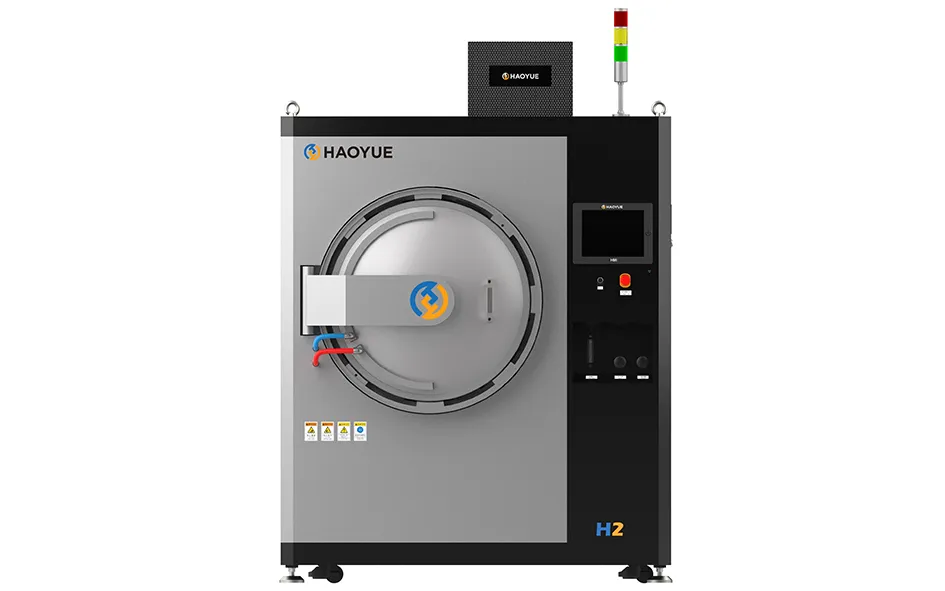
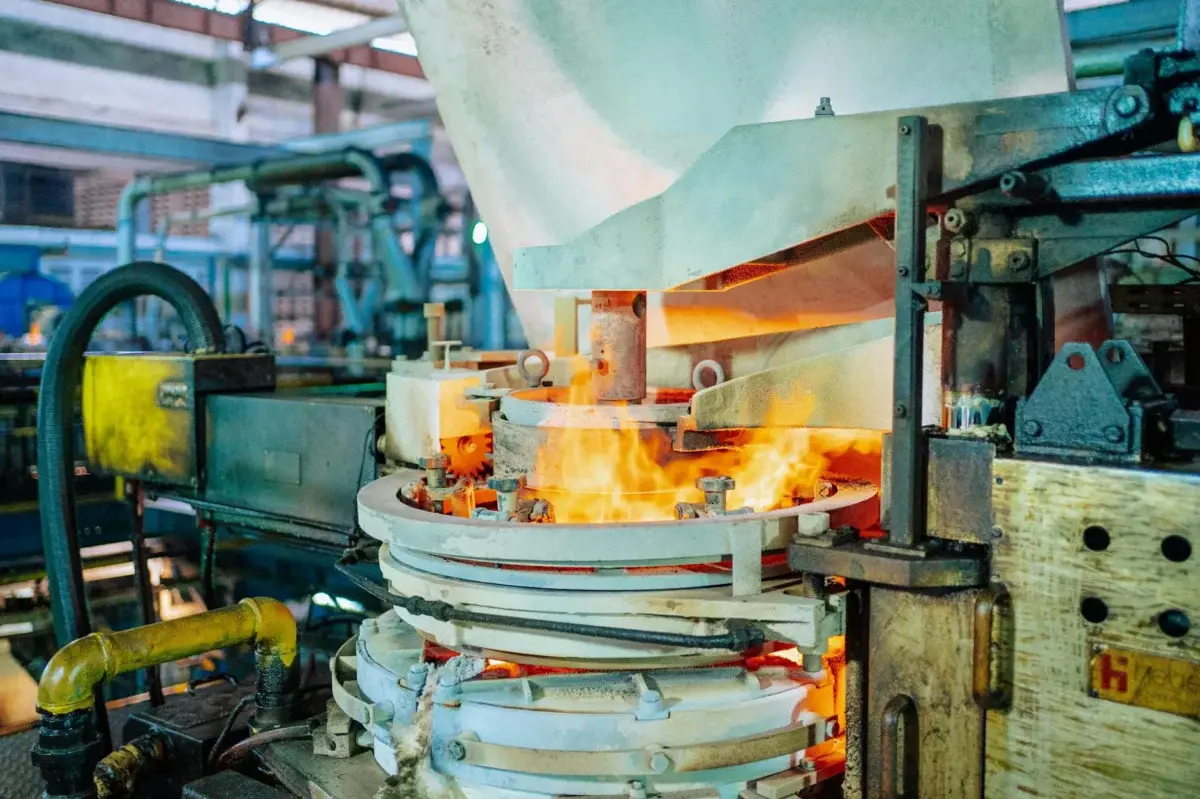
In the world of advanced ceramics, achieving full density during the sintering process is paramount for ensuring high-quality, reliable components. Process engineers often face the challenge of inconsistent part quality, which can be exacerbated by oxidation, contamination, and other production inefficiencies. Vacuum heat treatment, particularly in vacuum sintering furnaces, offers a robust solution to these challenges, providing a controlled environment that enhances product quality and compliance with standards such as Nadcap and ISO.
The Role of Vacuum Brazing in Ceramic Sintering
Vacuum brazing is a technique that plays a vital role in achieving high-precision joining and diffusion bonding in ceramic components. This process involves heating materials in a vacuum to prevent oxidation and contamination, which are common issues in traditional sintering methods. By maintaining a vacuum environment, the furnace ensures that the materials achieve full density, critical for applications in the aerospace and medical industries.
Industrial Applications and Challenges
In aerospace, components must meet stringent standards such as AMS and Nadcap, requiring precise temperature control and vacuum levels. Vacuum sintering furnaces offer temperature uniformity within ±1°C and vacuum levels up to 10⁻⁶ mbar, ensuring that components are free from defects. However, one of the challenges is maintaining these conditions consistently across batches, which vacuum technology addresses through automated cycle repeatability.
Diffusion Bonding and High-Precision Joining
Diffusion bonding in a vacuum environment is crucial for joining delicate ceramic parts without introducing stress or defects. This method is essential for the medical device industry, where ISO 13485 compliance is mandatory. The vacuum sintering furnace’s ability to control the environment reduces the risk of contamination, ensuring the integrity of the medical components.
Ensuring Compliance and Quality
Quality control professionals rely on vacuum sintering to meet ISO standards and FDA regulations. The technology’s precision allows for repeatable batch consistency, a key factor in maintaining compliance. By automating the vacuum sintering process, manufacturers can produce high-quality components with reduced human error and increased yield rates.
Maximizing Process Efficiency with Vacuum Technology
Vacuum technology not only improves product quality but also enhances process stability and cost efficiency. By optimizing the sintering process, manufacturers can reduce waste and energy consumption, leading to significant cost savings. The controlled environment of the vacuum furnace minimizes production inefficiencies, making it an indispensable tool in precision manufacturing.
Modern vacuum furnace technology addresses the complex challenges faced in ceramic sintering by providing unparalleled control over the sintering environment. With features like ±1°C temperature uniformity and vacuum levels up to 10⁻⁶ mbar, these furnaces ensure consistent, high-quality output. Engineers can request technical datasheets or process consultations to further explore these benefits. Procurement managers are encouraged to request quotations for bulk solutions, while quality teams can inquire about compliance validation and certification support.