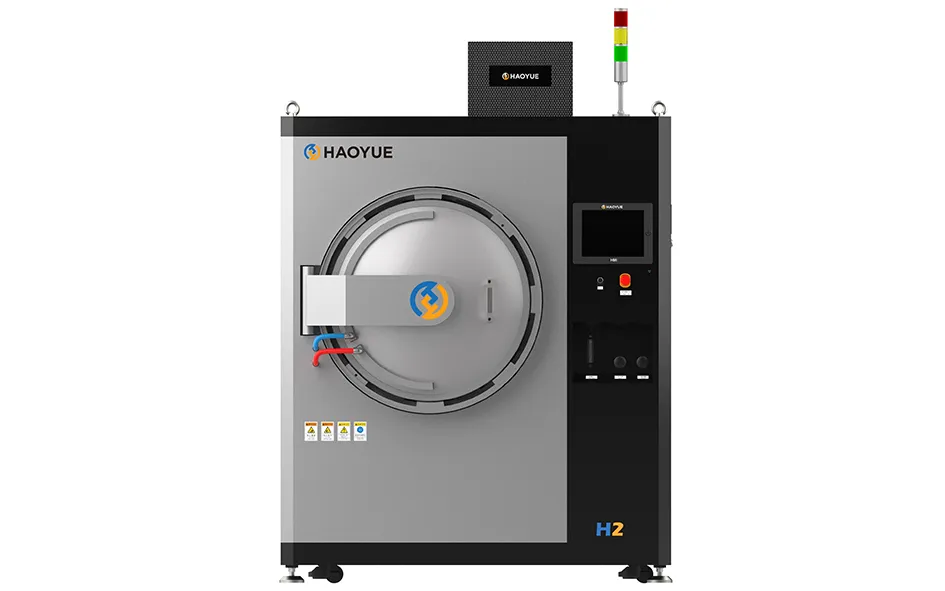
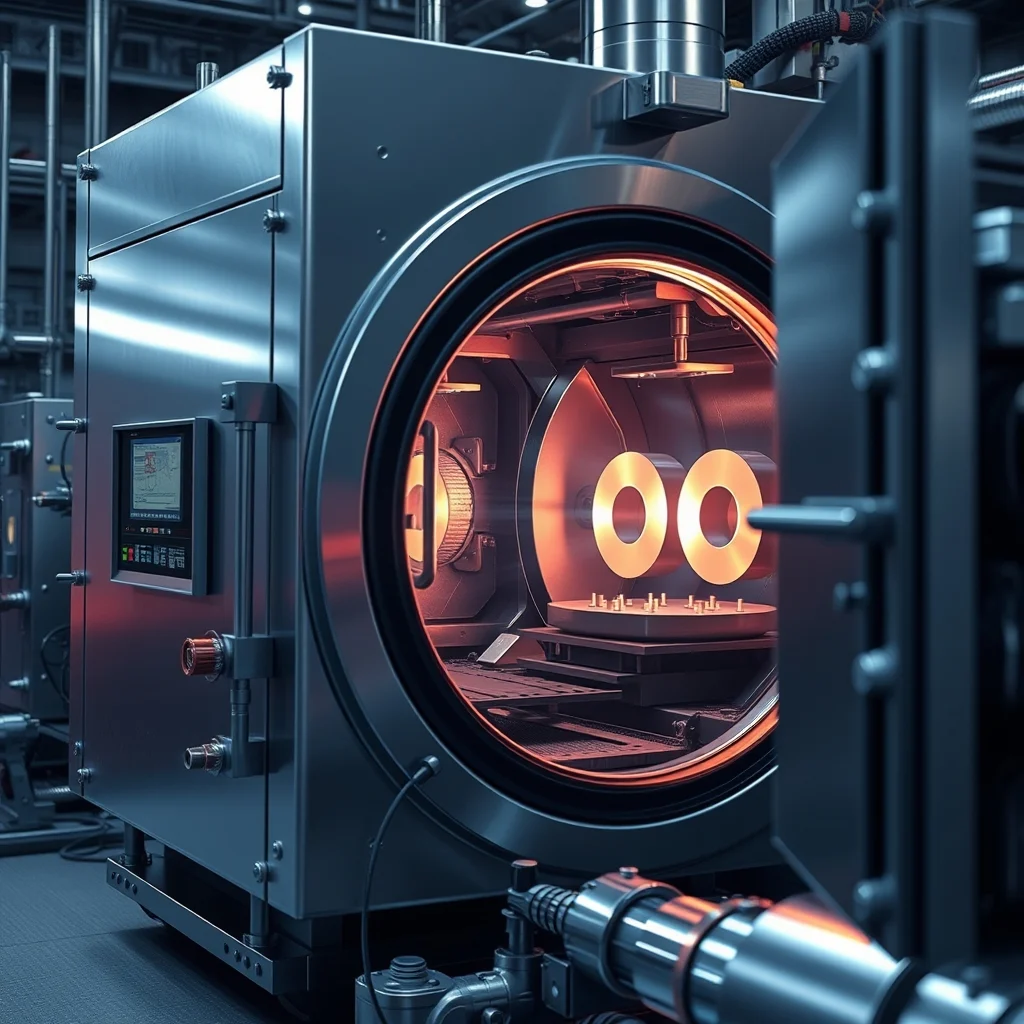
In the demanding world of precision manufacturing and industries like aerospace and medical devices, the challenge of maintaining consistent part quality is paramount. Quality control professionals and process engineers often grapple with issues such as ceramic cracking and contamination during vacuum heat treatment processes. These challenges not only threaten compliance with industry standards like Nadcap and ISO 13485 but also risk production inefficiencies and increased costs.
Understanding the Role of Vacuum Brazing
Vacuum brazing is a crucial technique in achieving high-precision joining without the risk of oxidation. This process involves heating materials in a vacuum environment, ensuring that the metal surfaces remain clean and free from contamination. In industries such as aerospace, where reliability and durability are non-negotiable, vacuum brazing offers a solution to common production challenges by providing superior joint integrity.
Real-World Applications
Consider the aerospace sector, where components must withstand extreme conditions. Vacuum brazing is employed to join complex assemblies, ensuring that the resultant joints are robust and free from defects. The process is tightly controlled, with precise temperature management and vacuum levels maintained to achieve optimal results.
Diffusion Bonding for Enhanced Material Properties
Diffusion bonding is another advanced technique used to create high-strength bonds between materials. This process involves pressing two surfaces together at elevated temperatures, allowing atoms to diffuse across the joint interface. The result is a bond that retains the base materials’ properties, crucial for applications requiring high thermal and mechanical performance.
Addressing Quality Challenges
One of the primary challenges in diffusion bonding is ensuring uniform pressure and temperature distribution. Utilizing a vacuum sintering furnace can mitigate these issues by providing controlled environments with ±1°C temperature uniformity and vacuum levels reaching up to 10⁻⁶ mbar, essential for consistent and repeatable results.
Vacuum Sintering Furnace: Solving Production Inefficiencies
In powder metallurgy, a vacuum sintering furnace is invaluable for producing materials with high density and uniform microstructure. This technology addresses common inefficiencies by minimizing contamination and enhancing the sintering process’s overall quality.
Enhancing Process Stability
Vacuum sintering furthers process stability by maintaining a controlled environment that prevents oxidation and other detrimental reactions. This leads to improved yield rates and cost efficiency—key factors for procurement managers aiming to optimize production cycles.
Compliance with Industry Standards
Meeting industry standards such as Nadcap for aerospace or ISO 13485 for medical devices is non-negotiable for manufacturers. Vacuum technology plays a pivotal role in ensuring compliance by providing processes that are repeatable and consistent. Automated batch consistency further supports adherence to these stringent requirements.
Modern vacuum furnace technology presents a comprehensive solution to the challenges faced by industries reliant on precision and quality. By enhancing process stability, improving product quality, and increasing yield rates, manufacturers can achieve significant cost efficiencies. For engineers, procurement managers, and quality control professionals, exploring these technologies offers the potential for remarkable improvements in production outcomes.
To delve deeper into these solutions, engineers are encouraged to request technical datasheets or consultations. Procurement managers can inquire about quotations or bulk solutions, while quality teams can seek support for compliance validation and certification.