In the fast-paced world of precision manufacturing, achieving consistent part quality can be a challenging endeavor. Industries ranging from aerospace to medical devices face issues like oxidation, contamination, and compliance risks when dealing with high-temperature processes. One of the most effective solutions to these challenges lies in the application of vacuum sintering, a critical technology that ensures the integrity and performance of high-performance ceramics.
Understanding Vacuum Sintering Furnace Technology
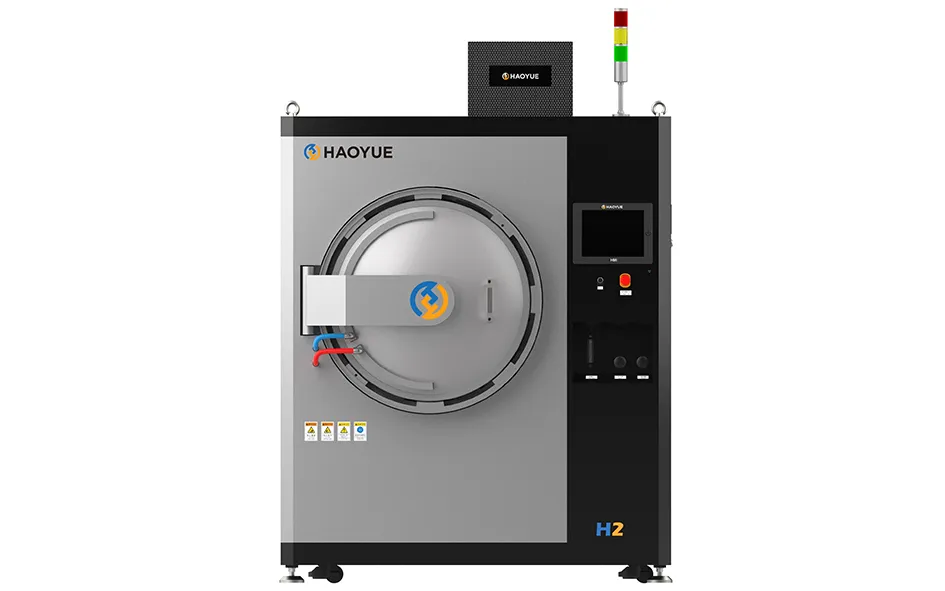
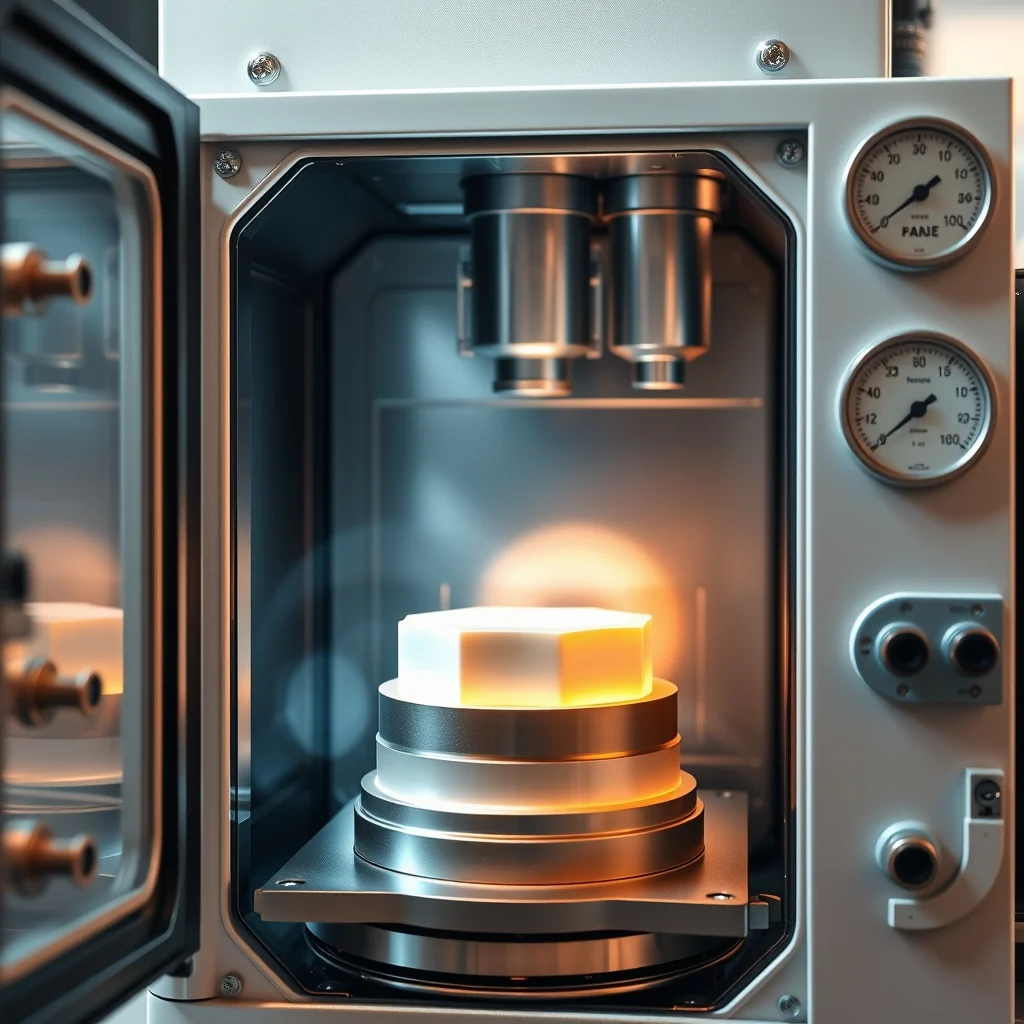
The vacuum sintering furnace is a pivotal piece of equipment in the production of high-performance ceramics. It operates by heating materials in a vacuum environment, which minimizes oxidation and contamination. This is crucial for industries that demand high precision and quality, such as powder metallurgy and aerospace. Vacuum sintering not only improves the density and mechanical properties of ceramics but also ensures uniformity and repeatability in production cycles.
Industrial Applications and Advantages
Vacuum sintering is extensively used in the manufacture of components that require high-precision joining and structural integrity. For example, in the aerospace sector, components that must comply with Nadcap and AMS standards benefit from the precision of vacuum technology. This process also supports vacuum brazing and diffusion bonding, which are essential for creating strong, reliable joints in complex assemblies.
Addressing Production Challenges with Vacuum Technology
Production inefficiencies and quality inconsistencies often arise from inadequate temperature control and contamination. Vacuum sintering furnaces offer precise temperature control, with uniformity as tight as ±1°C. Additionally, maintaining vacuum levels up to 10⁻⁶ mbar eliminates the presence of impurities, enhancing the quality and reliability of the final product. These parameters are critical for meeting stringent regulatory requirements, such as FDA and ISO 13485 standards in the medical device industry.
Enhancing Process Stability and Yield Rate
One of the primary benefits of vacuum sintering is its ability to enhance process stability and product yield rates. The automation and repeatability of vacuum heat treatment cycles ensure consistent batch quality, reducing waste and increasing efficiency. This reliability is vital for industries that prioritize compliance and cost-effectiveness.
Compliance and Industry Standards
Meeting industry standards is non-negotiable for manufacturers in regulated sectors. The integration of vacuum technology in sintering processes helps companies adhere to rigorous compliance requirements. Whether it’s achieving Nadcap accreditation in aerospace or ensuring ISO standards in general manufacturing, vacuum sintering furnaces provide the precision and control necessary for certification and quality assurance.
By leveraging advanced vacuum furnace technology, industries can achieve remarkable improvements in process stability, product quality, and cost efficiency. The ability to maintain precise temperature uniformity and vacuum levels ensures not only compliance but also a competitive edge in high-performance ceramic manufacturing.
For engineers seeking detailed technical datasheets, procurement managers looking for quotations, or quality teams interested in compliance validation, exploring vacuum sintering solutions is a proactive step toward operational excellence.