In the demanding world of precision manufacturing, achieving consistent part quality while minimizing production inefficiencies is a perpetual challenge. From aerospace to medical devices, industries rely on high standards of vacuum heat treatment, brazing, and joining processes to meet stringent compliance requirements such as Nadcap, ISO, and FDA. Yet, many facilities still grapple with issues like oxidation and contamination during these critical processes.
Why Vacuum Sintering Furnaces Are Essential for High-Precision MIM Parts
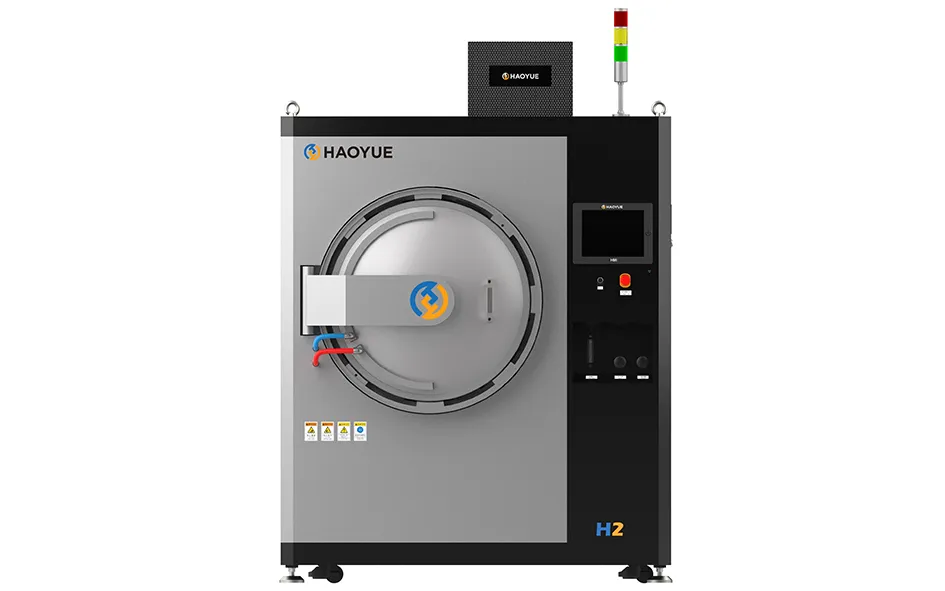
Vacuum sintering furnaces have revolutionized the manufacturing landscape for metal injection molding (MIM) parts. These furnaces provide a controlled environment crucial for preventing oxidation and maintaining the integrity of the powder metallurgy sintering process. Unlike traditional methods, vacuum sintering ensures high-temperature sintering equipment operates efficiently with precise temperature control and vacuum levels reaching up to 10⁻⁶ mbar. Such conditions are indispensable for achieving high-precision parts in industries like aerospace and automotive.
Real-World Applications and Benefits
Utilizing vacuum sintering furnaces in powder metallurgy applications helps maintain optimal part density and mechanical properties, vital for high-performance aerospace components. The ability to produce repeatable and automated batch consistency significantly boosts yield rates and reduces production cycle times.
Key Features to Look for in a Hydrogen Molybdenum Furnace
Hydrogen molybdenum furnaces are pivotal in controlled atmosphere sintering, particularly in applications requiring high-temperature molybdenum furnaces. These furnaces offer superior temperature uniformity, crucial for maintaining the consistency of parts in powder metallurgy and vacuum heat treatment processes. Key features include:
- ±1°C temperature uniformity
- Advanced safety features ensuring operational reliability
- Energy-efficient designs to reduce operational costs
Addressing Industrial Challenges
Inconsistencies in temperature distribution can lead to defective parts, causing costly reworks and compliance failures. The advanced design of hydrogen molybdenum furnaces mitigates these risks, ensuring parts meet the rigorous standards of industries like medical devices and automotive manufacturing.
Improving Process Stability with Vacuum Heat Treatment
Vacuum heat treatment processes play a critical role in enhancing product quality and process stability. By maintaining a pristine environment free from contaminants, vacuum technology ensures a repeatable process cycle, essential for industries adhering to strict compliance standards such as AMS and ISO 13485. This not only enhances yield rates but also reduces the total cost of production.
Industrial Applications and Standards
In aerospace manufacturing, vacuum brazing and diffusion bonding are essential for high-precision joining. These processes require meticulous control over vacuum levels and temperature to avoid any compromise in quality. Compliance with industry standards like Nadcap is not just beneficial but necessary to ensure parts perform reliably in critical applications.
Modern vacuum furnace technology is a cornerstone for achieving high-quality, consistent results in sintering and heat treatment processes. By offering advanced features like precise temperature control and robust vacuum capabilities, these furnaces address industrial challenges head-on, enhancing process stability and product quality. For custom sintering solutions tailored to your production needs, reach out to our engineering team to discuss your project requirements.