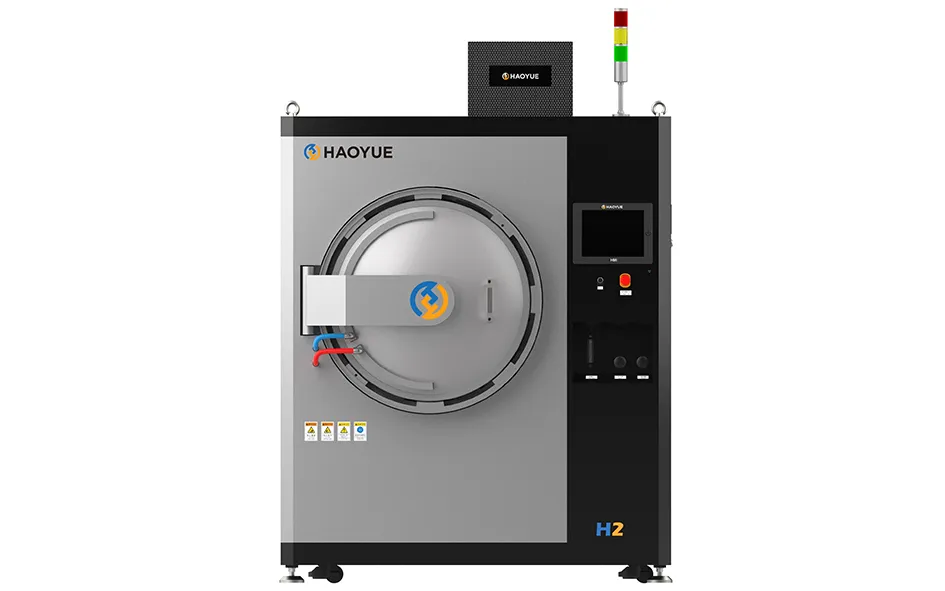
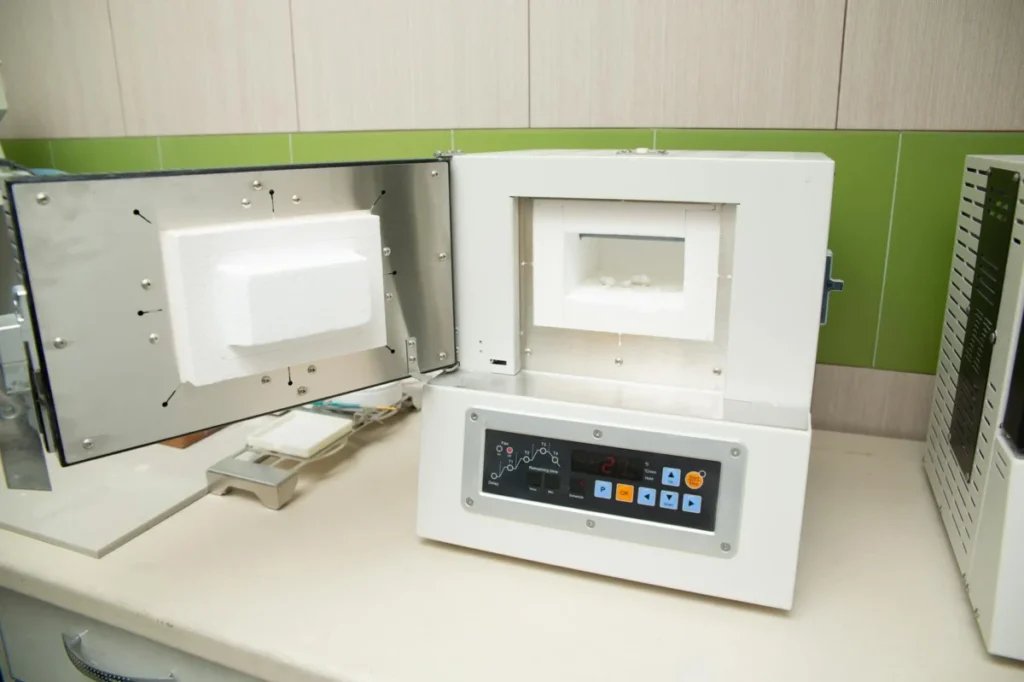
In the precision manufacturing of medical implants, contamination risks and inconsistent sintering quality can severely impact product reliability and compliance with stringent industry standards such as FDA and ISO 13485. These challenges are compounded by the need for high-precision joining and material integrity, often requiring advanced vacuum sintering furnaces to achieve optimal results.
Why Vacuum Sintering Furnaces Are Critical for High-Precision MIM Parts
Vacuum sintering furnaces are essential for manufacturing metal injection molding (MIM) components, providing a controlled atmosphere that prevents oxidation and contamination. By maintaining vacuum levels up to 10-6 mbar, these furnaces ensure that medical implants meet the highest quality standards. The precision offered by vacuum technology results in consistent material properties critical for medical applications.
Real-World Applications
In the medical device industry, vacuum sintering is widely used to produce complex geometries with high strength and density. This process is paramount in ensuring the biocompatibility and durability of implants, which are crucial for patient safety and regulatory compliance.
Key Features to Look for in a Hydrogen Molybdenum Furnace
When selecting a hydrogen molybdenum furnace, industrial buyers should consider features such as temperature uniformity and energy efficiency. These furnaces are designed to operate at high temperatures, making them ideal for sintering and brazing applications in powder metallurgy.
Technical Specifications
- Temperature control: ±1°C uniformity
- Vacuum levels: Up to 10-6 mbar
- Cycle repeatability: Automated batch consistency
Addressing Common Production Challenges
The use of vacuum heat treatment and diffusion bonding in the production of medical implants addresses key challenges such as material degradation and joining precision. These processes eliminate contamination and enhance the structural integrity of components, ensuring compliance with industry standards like Nadcap for aerospace and ISO for general manufacturing.
Standards and Compliance
Compliance with standards such as AMS for aerospace and FDA for medical devices is non-negotiable. Vacuum technology plays a crucial role in achieving these standards, offering solutions that improve process stability, product quality, and yield rate.
For custom sintering solutions tailored to your production needs, reach out to our engineering team to discuss your project requirements. Request technical datasheets, process consultation, or compliance validation to ensure your products meet the highest industry standards.