In the competitive field of industrial manufacturing, maintaining consistent part quality is a crucial challenge. Inconsistencies due to oxidation, contamination, and compliance risks in processes like vacuum heat treatment and brazing can lead to significant production inefficiencies. For industries relying on powder metallurgy, aerospace, medical devices, and precision manufacturing, finding solutions that enhance quality and efficiency is paramount.
Why Vacuum Sintering Furnaces Are Critical for High-Precision MIM Parts
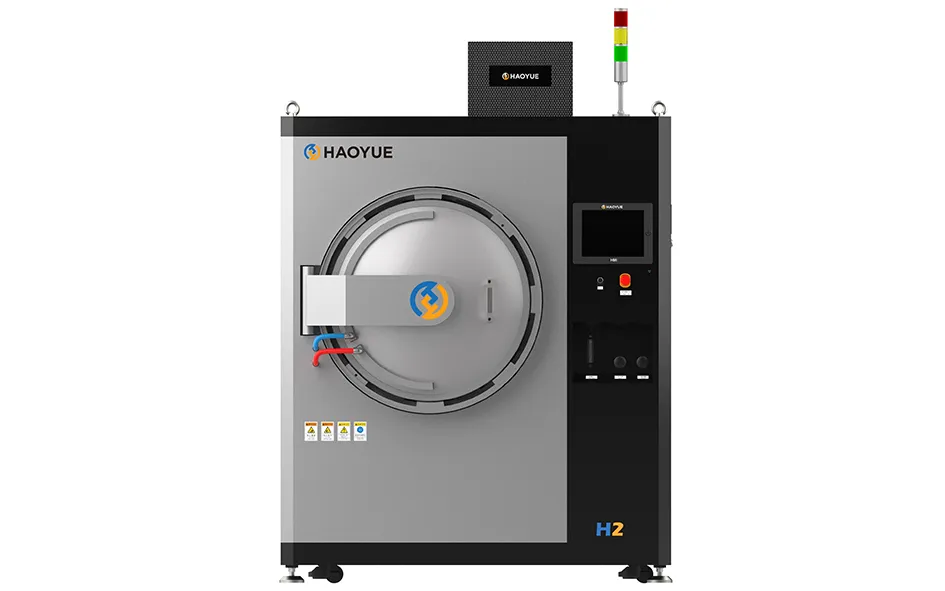
Vacuum sintering furnaces play a pivotal role in ensuring the quality and precision of Metal Injection Molding (MIM) parts. These furnaces offer controlled atmosphere sintering, which minimizes oxidation and contamination, crucial for industries like aerospace and medical devices where precision and reliability are non-negotiable.
Vacuum technology ensures a uniform temperature distribution, typically within ±1°C, and maintains vacuum levels up to 10⁻⁶ mbar, which are essential for achieving high-quality sintering results. This level of control not only improves the repeatability of the sintering cycle but also enhances the overall product quality, meeting stringent compliance standards such as Nadcap and ISO 13485.
Key Features to Look for in a Hydrogen Molybdenum Furnace
Hydrogen molybdenum furnaces are designed for high-temperature sintering processes. Key features that industrial buyers should look for include advanced temperature control systems, energy efficiency, and robust safety features. These furnaces support various applications including powder metallurgy sintering and high-precision joining, crucial for automotive and aerospace components.
When selecting a furnace, consider the ability to achieve consistent temperature uniformity and the capability to operate under controlled atmospheric conditions, which are vital for reducing contamination risks and ensuring compliance with industry standards.
Optimizing High-Temperature Sintering Equipment for Maximum Efficiency
High-temperature sintering equipment is essential for industries needing precise control over material properties. By employing vacuum heat treatment processes, manufacturers can optimize the microstructure of materials, improving mechanical properties and extending the lifecycle of components.
These furnaces offer unparalleled control over sintering conditions, reducing energy consumption and enhancing process efficiency. For industrial buyers, the choice of high-temperature sintering equipment should be driven by considerations of cycle time efficiency, energy costs, and the ability to meet specific industry standards.
Ensuring Compliance with Industry Standards
Compliance with industry standards is a critical aspect of production, especially in sectors like aerospace and medical devices. Vacuum technology offers solutions that meet or exceed compliance requirements, ensuring that products meet necessary quality and safety standards.
For aerospace applications, adherence to Nadcap and AMS standards is essential, while medical device manufacturers must comply with FDA and ISO 13485 regulations. Vacuum sintering furnaces facilitate these compliance efforts by providing precise control over the manufacturing environment.
Modern vacuum furnace technology addresses the challenges of maintaining process stability, enhancing product quality, and improving yield rates. By investing in advanced vacuum sintering solutions, manufacturers can achieve significant cost efficiencies and ensure adherence to strict industry standards. For custom sintering solutions tailored to your production needs, reach out to our engineering team to discuss your project requirements.