In one sentence
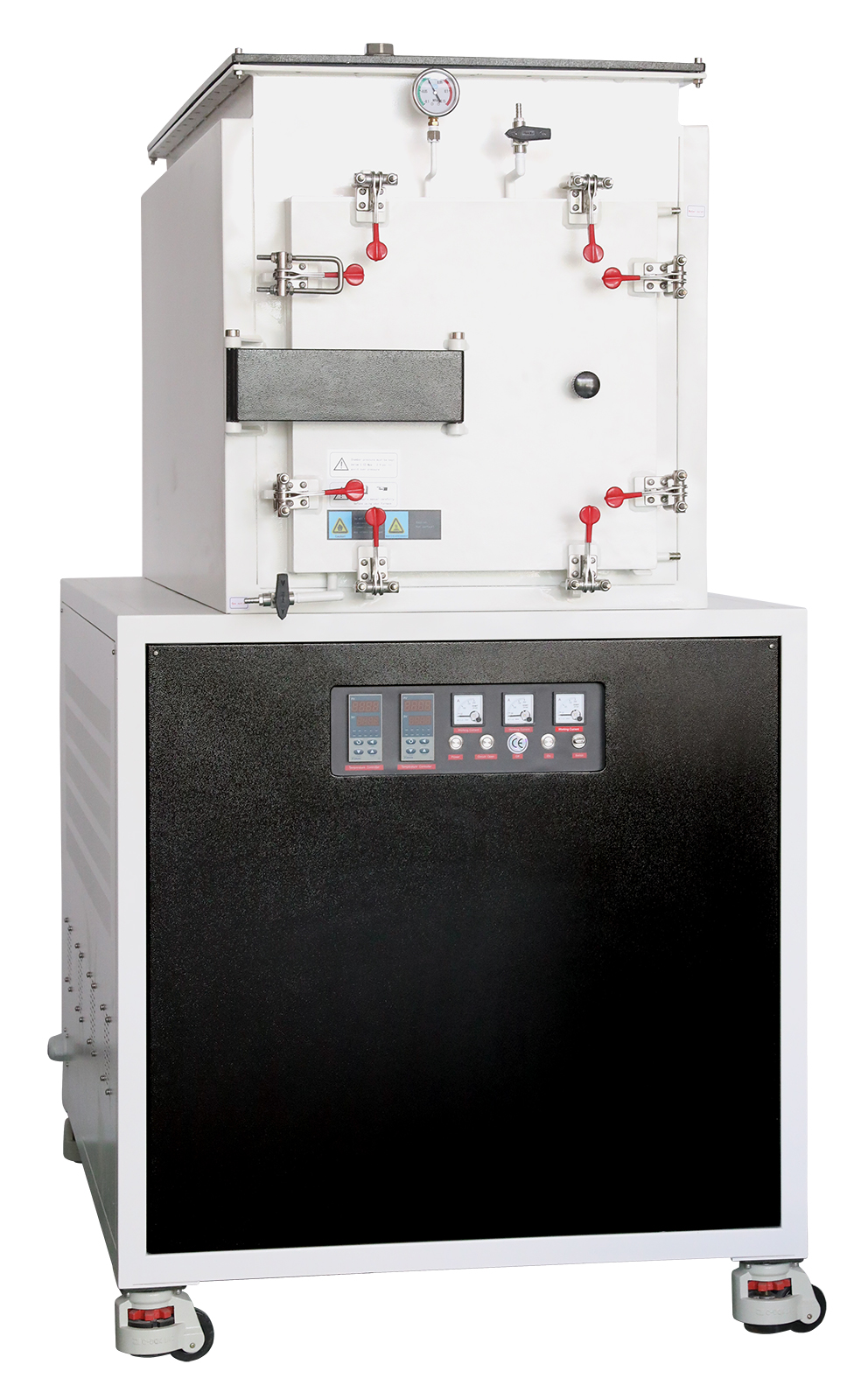
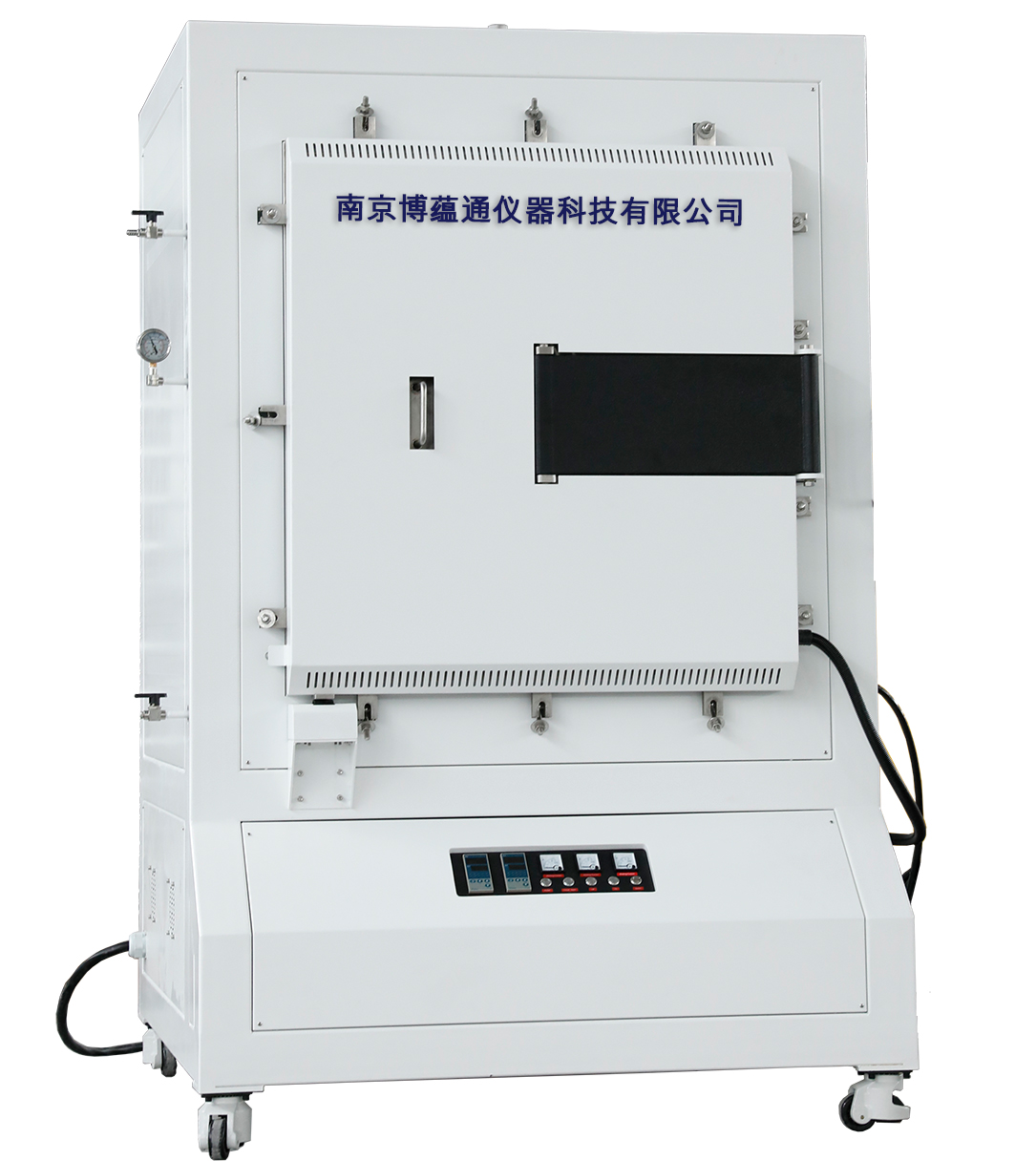
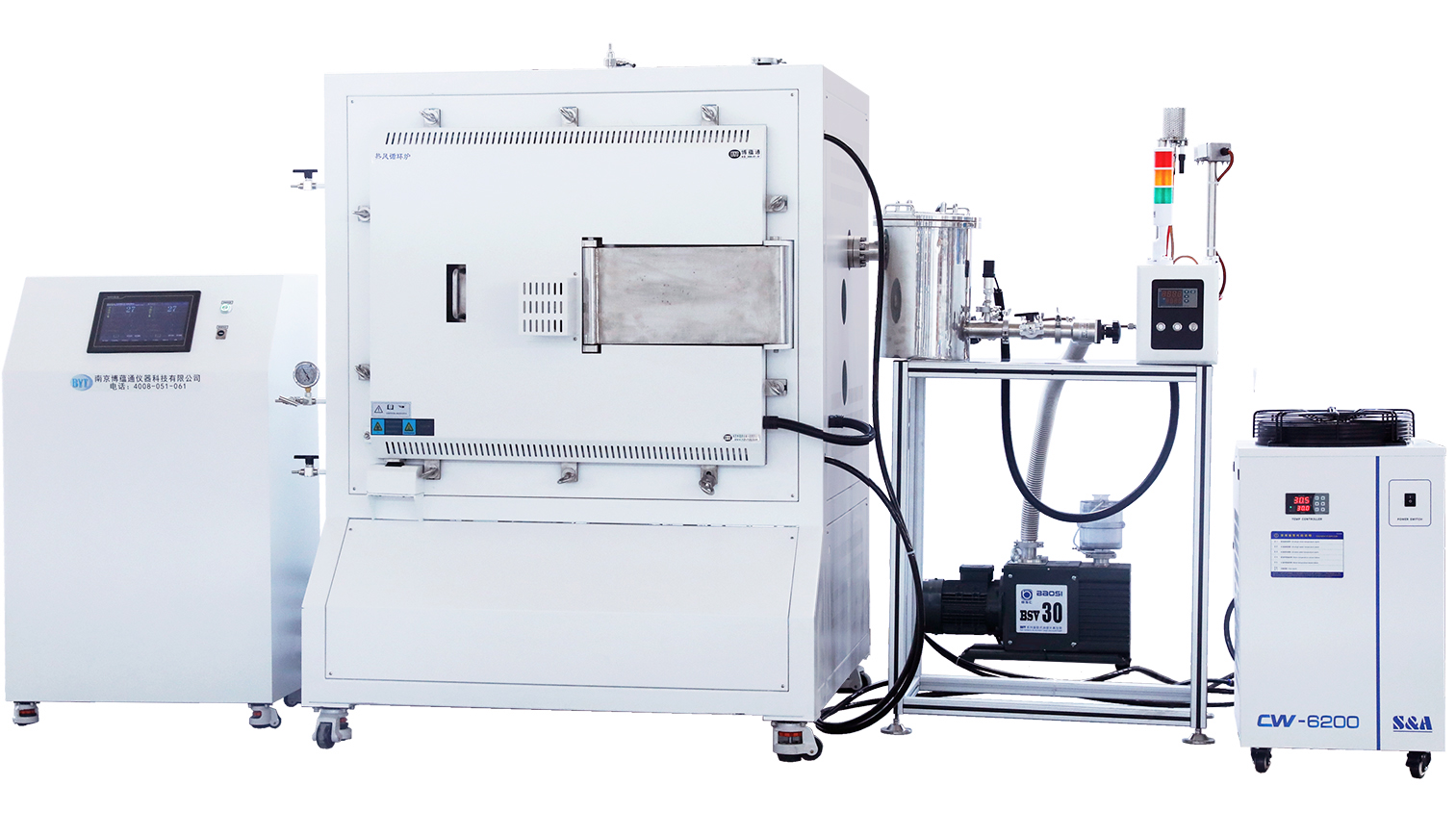
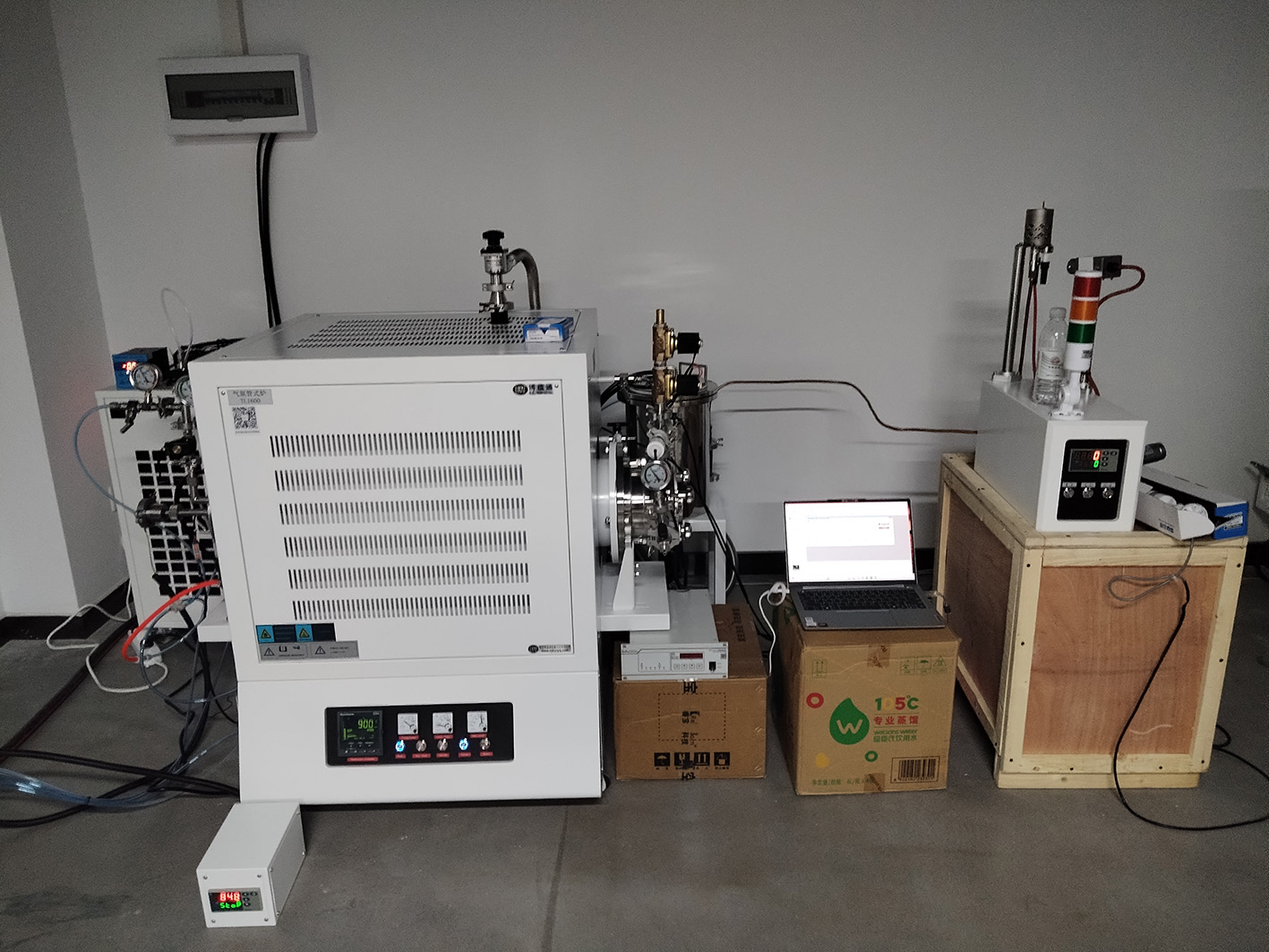
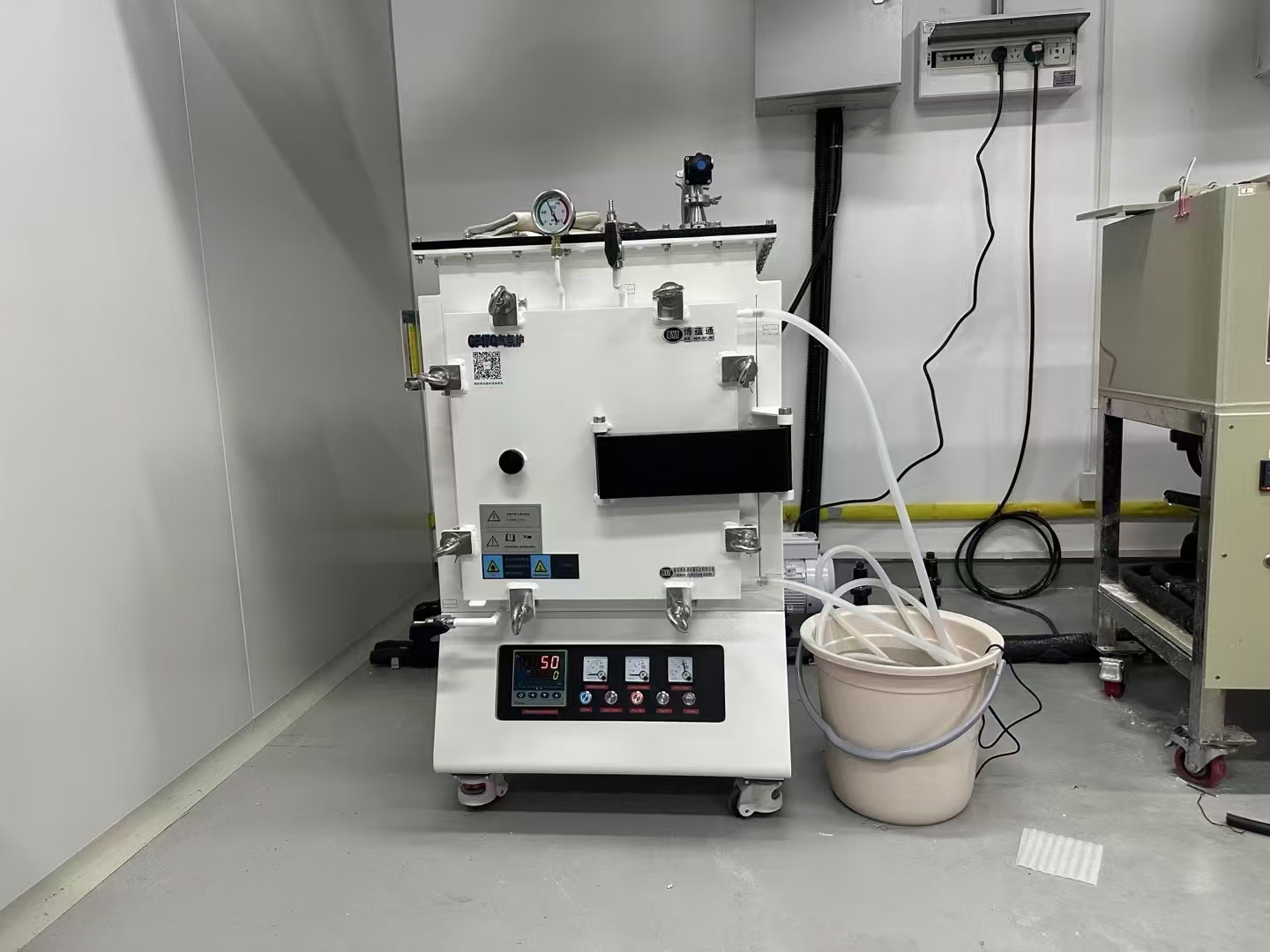
Automatic temperature control in a box furnace is the use of controller logic, sensors and heating zones to hold a defined thermal profile with repeatable behavior.
What automatic control needs to do
Automatic control is only useful when it keeps the furnace inside the thermal window that matters to the process. That usually means stable ramping, a predictable soak and a return path that does not overshoot or drift wildly.
The control system should also match the furnace geometry. A box furnace with wide loading swings or different hot-zone layouts may need different tuning than a small chamber with a uniform load.
What to define before tuning the controller
The first note should state the ramp rate, soak time, allowable overshoot, alarm logic and whether the process uses one zone or several. If those details are vague, the controller may appear stable but still miss the thermal target.
It is also worth defining who can change recipes and how the data will be logged. Control is not only about holding temperature; it is also about making the furnace behavior traceable and repeatable across shifts.
Key facts
- ✓Automatic control must match the furnace geometry and load.
- ✓Ramp, soak and overshoot should all be defined.
- ✓Recipe access and logging matter to repeatability.
- ✓One-zone and multi-zone control do not behave the same.
- ✓Stable control still has to meet the process window.
How to approach the process
- 01
Define the ramp, soak and overshoot limits.
- 02
Set the number of zones and alarm conditions.
- 03
Tune the controller for the actual load pattern.
- 04
Log the recipe and control changes by operator.
- 05
Review the cycle against the process target.
What to specify before comparing equipment
State whether the furnace uses one zone or multiple zones.
Define the ramp, soak and overshoot behavior that the furnace must hold.
Specify the fault conditions that should trigger a stop or review.
Recipe and operator logging should be part of the control scope.
The controller should be tuned using the real loading pattern.
Useful inputs for a technical inquiry
A clear first inquiry does not require a final specification. It should establish the material, process target and operating constraints so the equipment scope can be reviewed against the application.
- ✓Furnace model and zone count
- ✓Ramp rate, soak time and overshoot limit
- ✓Alarm and stop conditions
- ✓Recipe access and logging requirement
- ✓Load pattern and production use case
Frequently asked questions
Does automatic control guarantee the right result?
No. It only helps if the controller is tuned to the real load and process window.
What is the most important control input?
Ramp, soak and zone behavior should be defined before tuning begins.
Why log recipes?
Because traceability makes it easier to repeat a working cycle and debug a bad one.