In one sentence
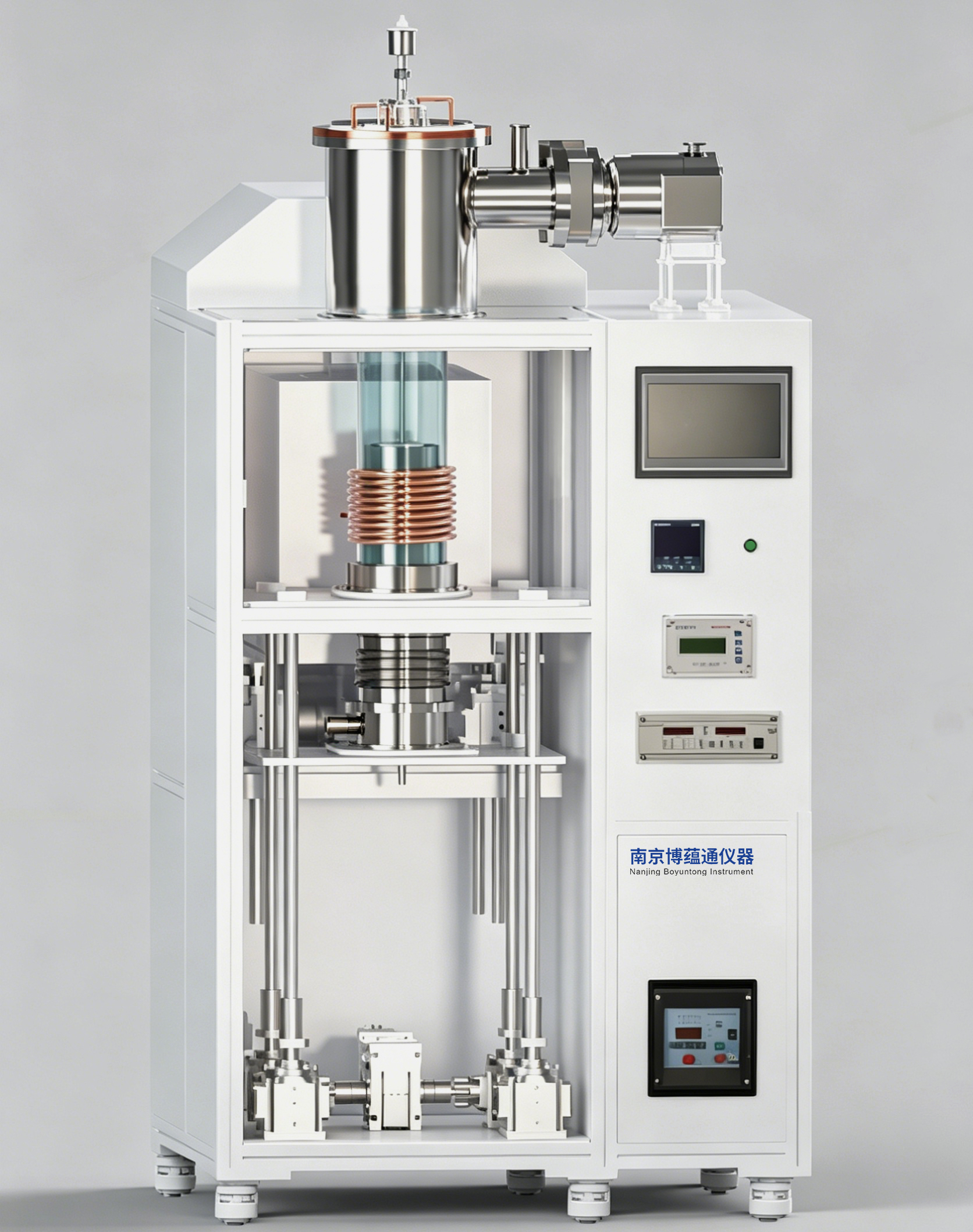
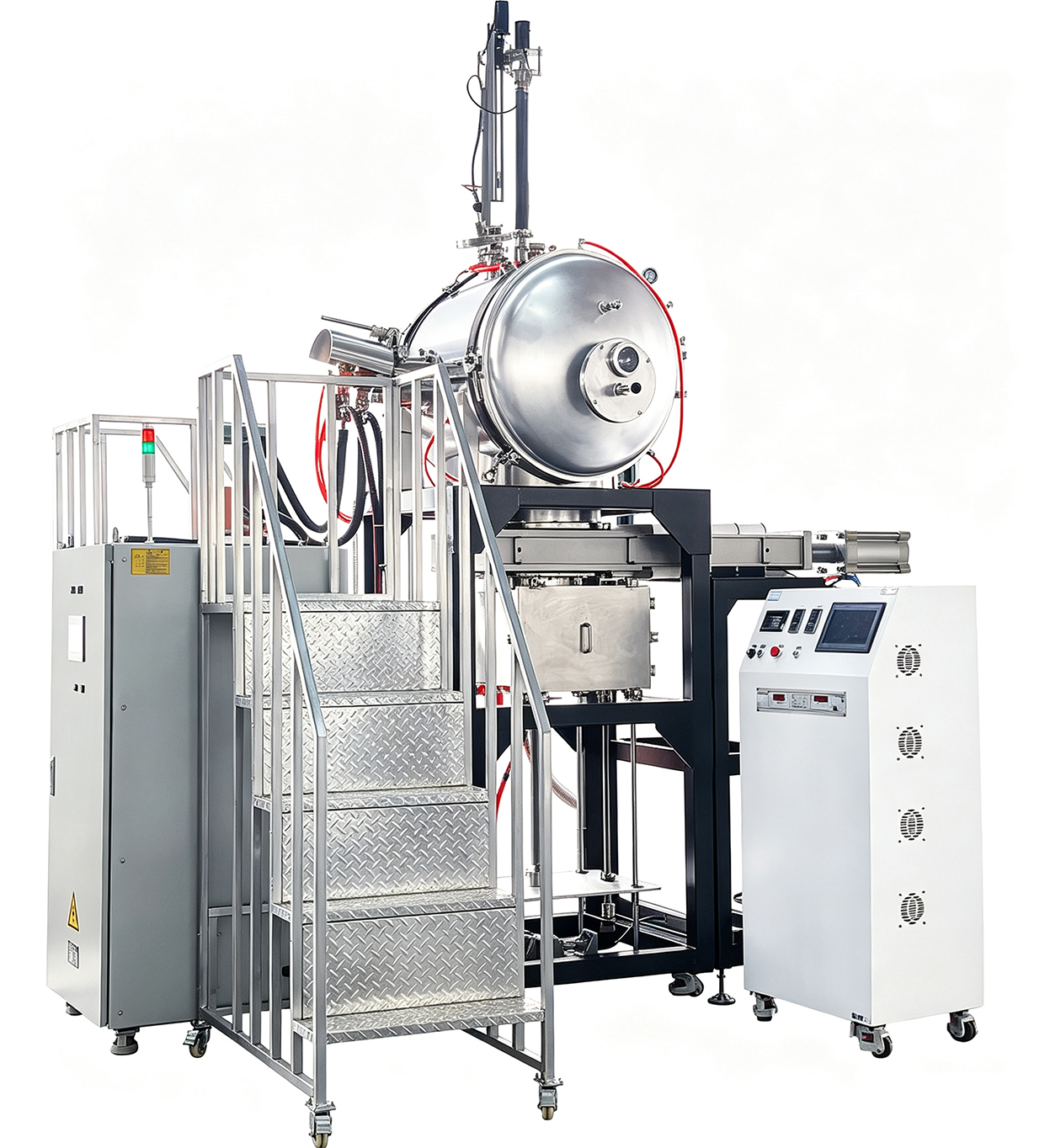
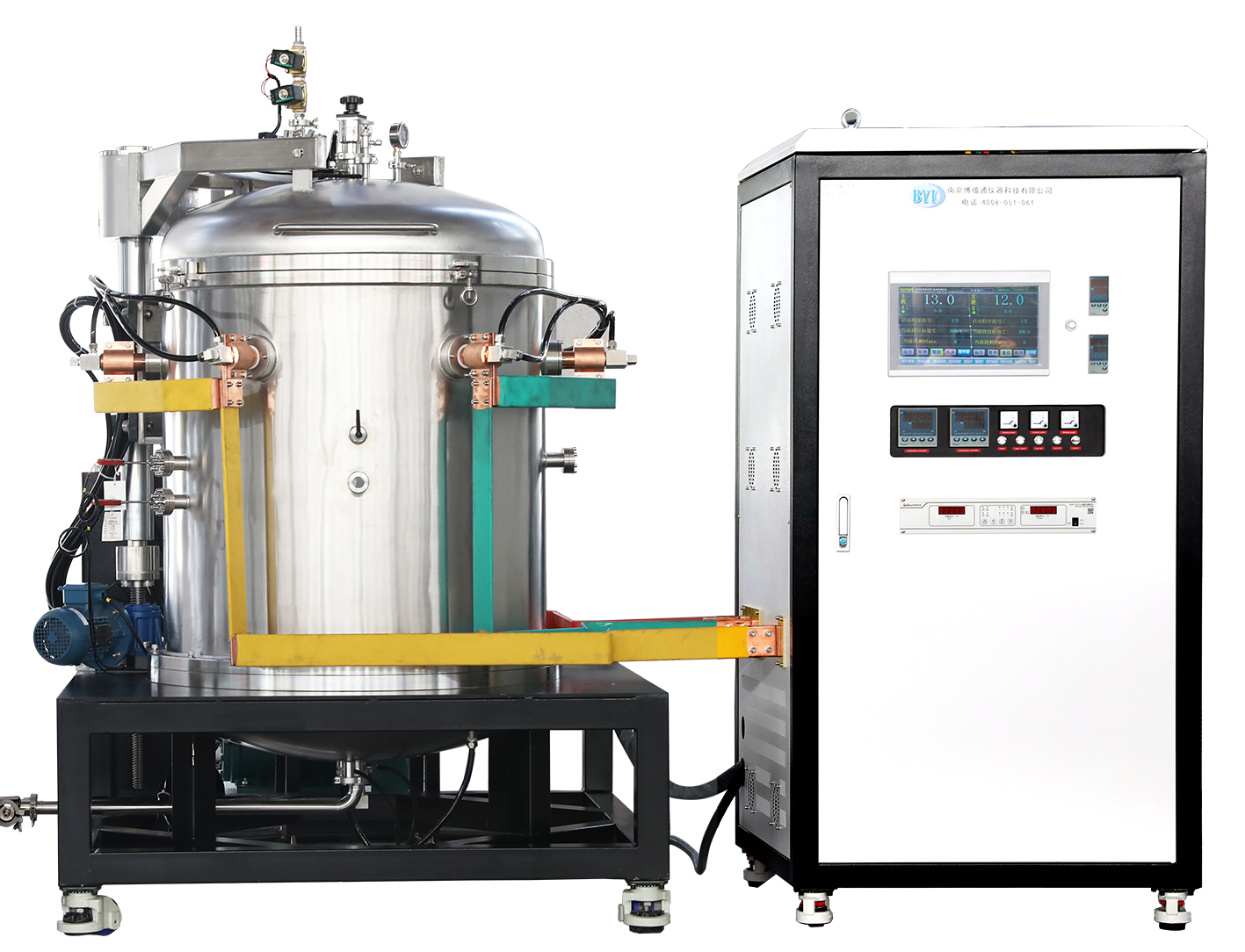
A furnace vacuum system is the set of pumps, valves, gauges and piping that evacuates the chamber, holds the target pressure and stabilizes the process atmosphere.
What sits inside a typical vacuum system
Most systems start with a roughing stage and then add the higher-vacuum components needed by the process. Along the way, valves, gauges, traps and leak checks define how quickly the chamber can pump down and how well it can stay stable during a cycle.
The right answer depends on the material and the process window, because a system meant for powder sintering is not specified the same way as a melting furnace or a purification line. The pumping train should always match the gas load and the target pressure.
How to decide what belongs in the scope
A clear specification should state the target pressure, pumping speed, chamber size, process gas, cycle frequency and maintenance expectation. Those values tell the vendor whether the vacuum unit can be standard, upgraded or fully custom.
It also helps to mention whether the system must support purging, backfill, high-temperature off-gassing or long hold times. Those details change the valve arrangement, sensor selection and service plan more than most buyers expect.
Key facts
- ✓Vacuum performance depends on the full system, not only the pump model.
- ✓Roughing, high-vacuum and leak-control stages serve different jobs.
- ✓Gas load and process chemistry affect the pumping design.
- ✓Gauge selection should match the pressure range you actually need.
- ✓Maintenance access is part of the design, not an afterthought.
How to approach the process
- 01
Identify the process pressure range.
- 02
List the chamber size and gas load.
- 03
Confirm roughing and high-vacuum needs.
- 04
Define the valve, gauge and purge scope.
- 05
Request a system drawing and maintenance plan.
What to specify before comparing equipment
State the pressure range the process must hold, not only the lowest possible number.
Describe whether roughing, booster and high-vacuum stages are all required for the cycle.
Mention process gas, outgassing and contamination risk so the system is not undersized.
Specify the sensor range, valve logic and automation level you expect.
Allow room for maintenance, filter change and pump servicing in the layout.
Useful inputs for a technical inquiry
A clear first inquiry does not require a final specification. It should establish the material, process target and operating constraints so the equipment scope can be reviewed against the application.
- ✓Target pressure and pumping speed expectation
- ✓Chamber volume and process gas type
- ✓Cycle frequency and maintenance interval
- ✓Valve, gauge and control preference
- ✓Utilities and installation constraints
Frequently asked questions
Which is more important: the pump or the chamber?
They work as one system. A good pump on a poor layout still gives poor performance if leaks, dead volume or gas load are ignored.
Do all vacuum furnaces need the same pumping setup?
No. Pumping design changes with temperature, batch size, materials and how much gas the process releases.
What should the first vacuum-system inquiry include?
Pressure target, chamber size, gas type, cycle duty and service expectation are the minimum useful inputs.