In one sentence
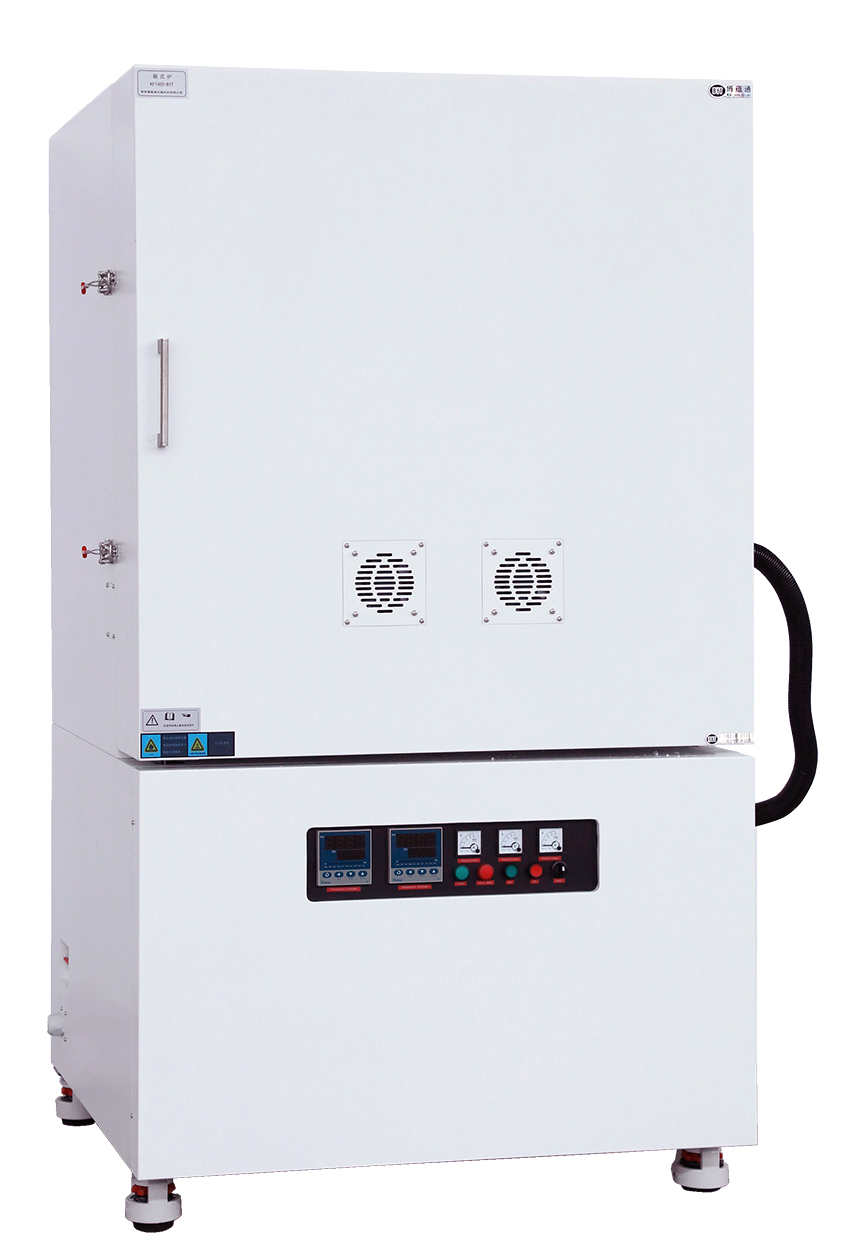
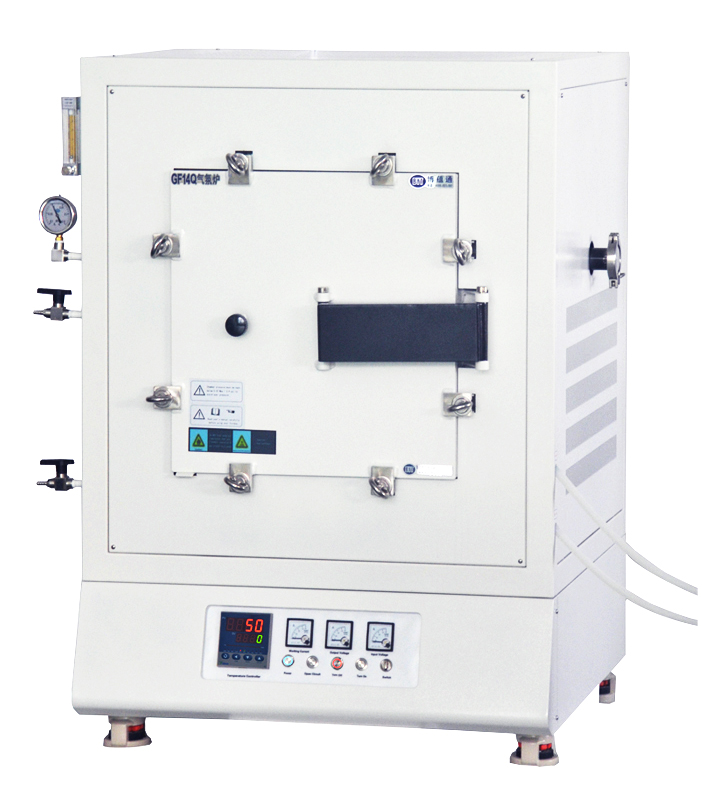
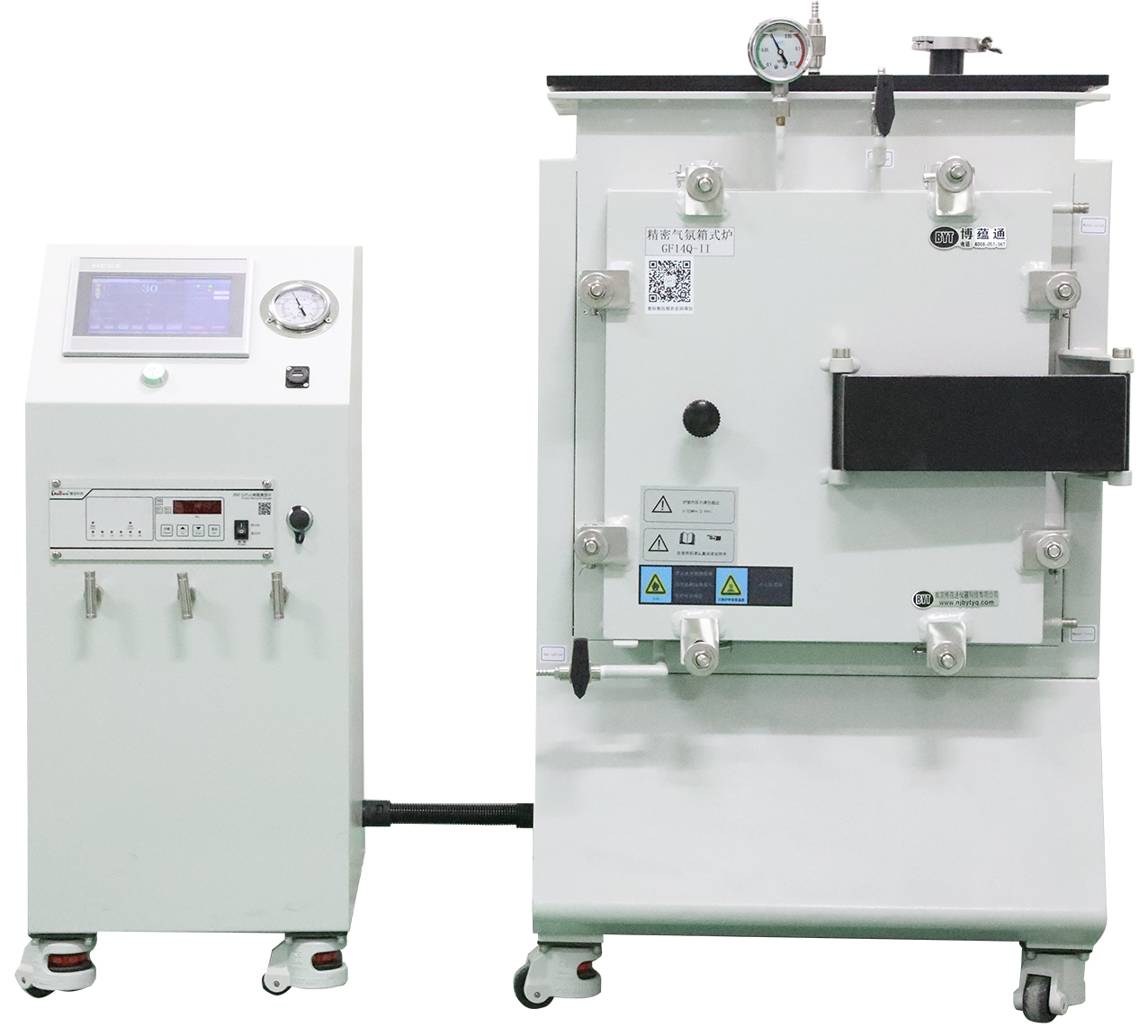
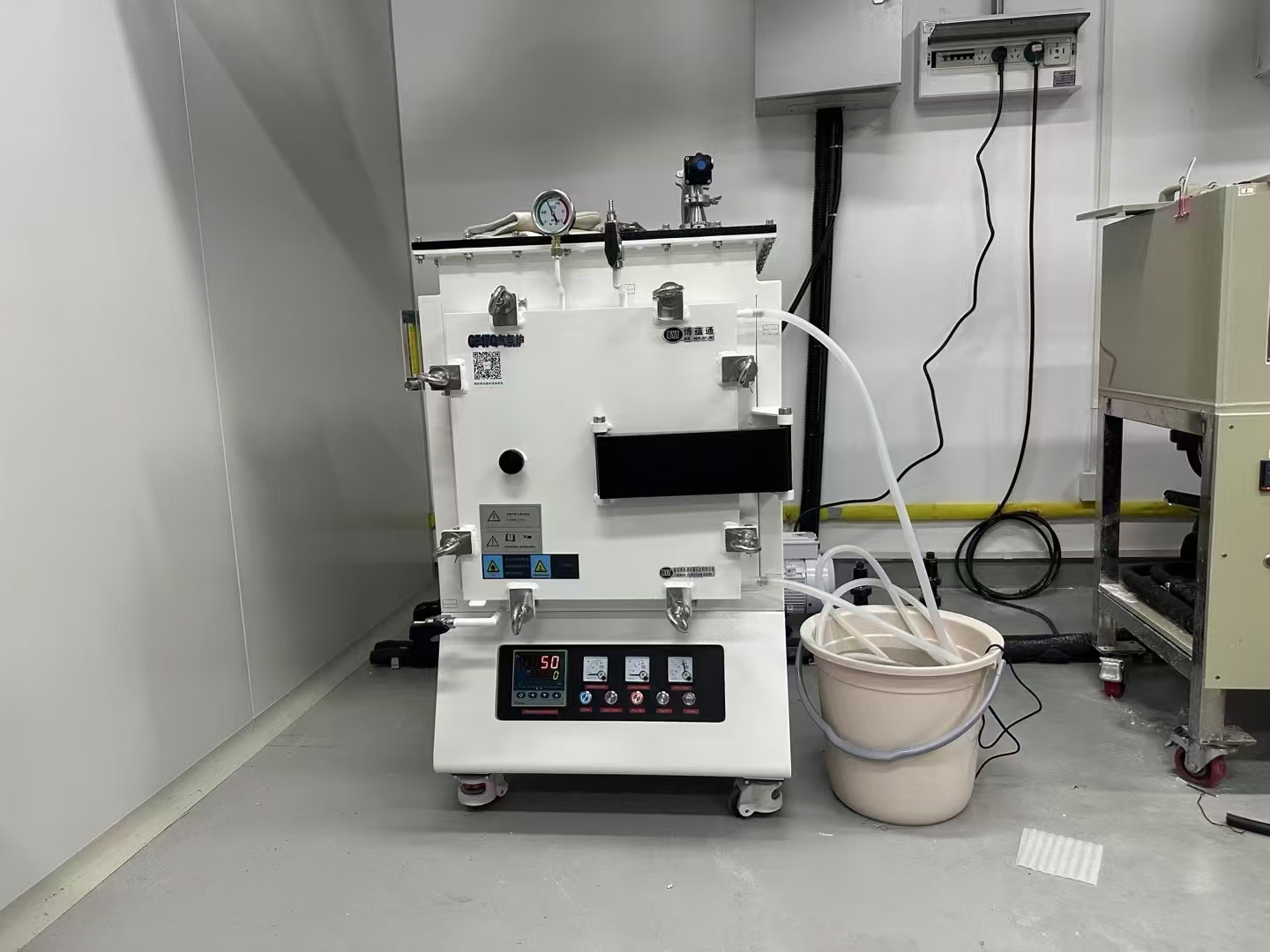
A high-temperature box electric furnace is a chambered electric furnace whose shell, insulation, heating zones, door system and controls must work together as one thermal package.
The main structural parts that matter
The shell, insulation, chamber, door seal, heating elements, sensors and controller all affect performance. If one piece is underdesigned, the furnace can still heat but it will not hold a stable or uniform process window.
Door loss, chamber size and heating-zone layout are especially important in box furnaces because the load often sits close to the hot zone boundaries. That makes the structure part of the thermal result, not just the frame around it.
What the structure should tell you during selection
The layout should help you judge chamber size, access, element replacement, uniformity band and utility limits before you buy. A furnace that looks simple can still be hard to service if the structure was not designed around maintenance.
The spec should therefore include the loading method and the space needed for inspection. Those items often decide whether the furnace is practical in the real shop or lab.
Key facts
- ✓Box furnace structure and thermal performance are tightly linked.
- ✓Door and seal loss matter as much as chamber heating.
- ✓Element placement affects uniformity across the load.
- ✓Service access lowers downtime and repair risk.
- ✓The load path changes how the chamber behaves.
How to approach the process
- 01
Define the load and chamber size.
- 02
Check the door, seal and hot-zone layout.
- 03
Review the element zoning and controller access.
- 04
Confirm the utility and maintenance space.
- 05
Request a layout that matches the process route.
What to specify before comparing equipment
The chamber should match the real batch and fixture size.
Zone spacing determines how evenly the load will heat.
The lining and shell should support the target temperature and recovery time.
Loss at the opening can affect both temperature and atmosphere.
Allow enough room for inspection and replacement work.
Useful inputs for a technical inquiry
A clear first inquiry does not require a final specification. It should establish the material, process target and operating constraints so the equipment scope can be reviewed against the application.
- ✓Batch size and chamber size
- ✓Target temperature and uniformity
- ✓Door and loading method
- ✓Utilities and site limits
- ✓Service and access needs
Frequently asked questions
Why does the door matter so much?
Because door losses can change both temperature stability and atmosphere quality.
Is the shell the whole design?
No. The chamber, insulation, elements and controls matter just as much.
What is often forgotten in the drawing?
Service access and loading space are frequently missed even though they affect daily use.