In one sentence
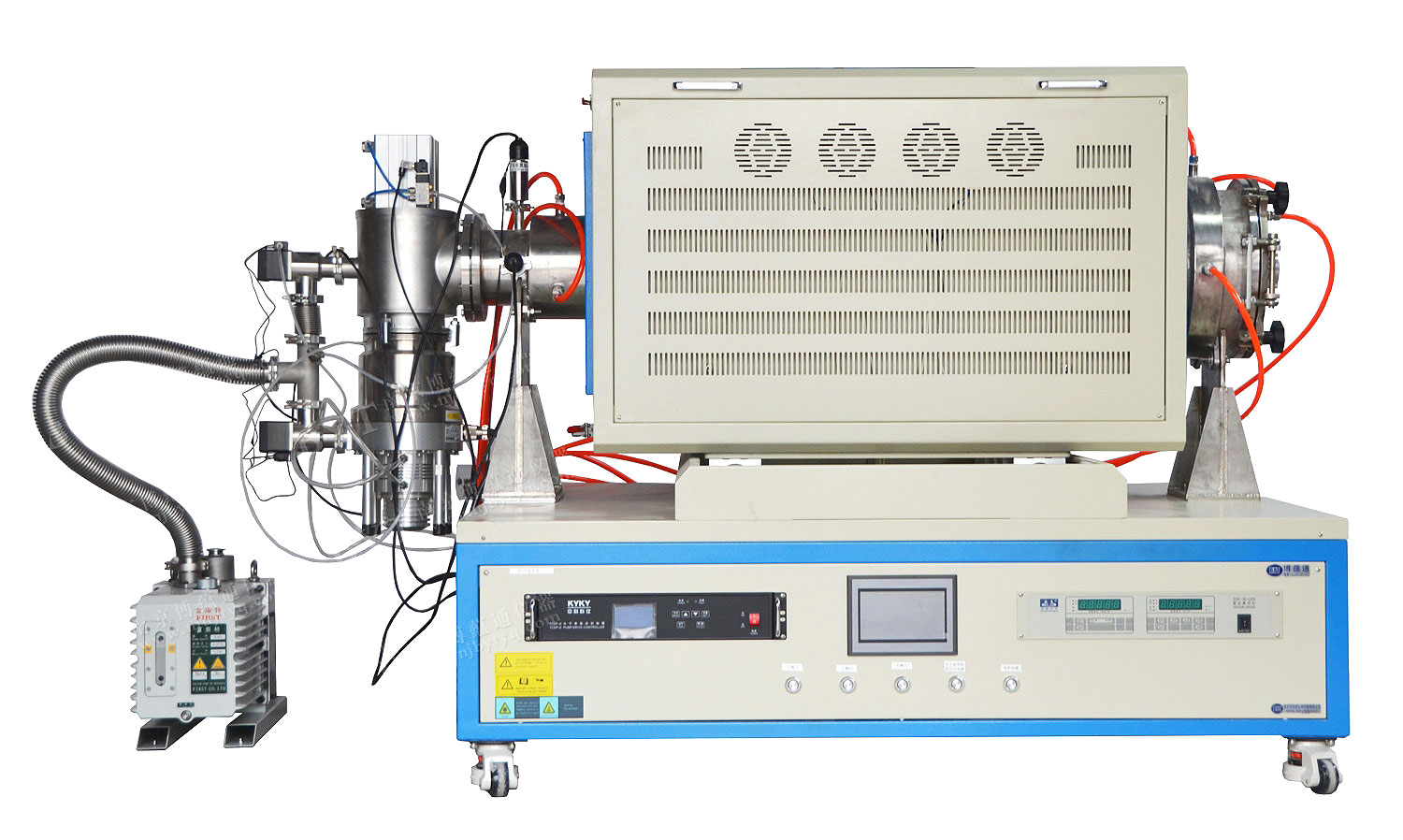
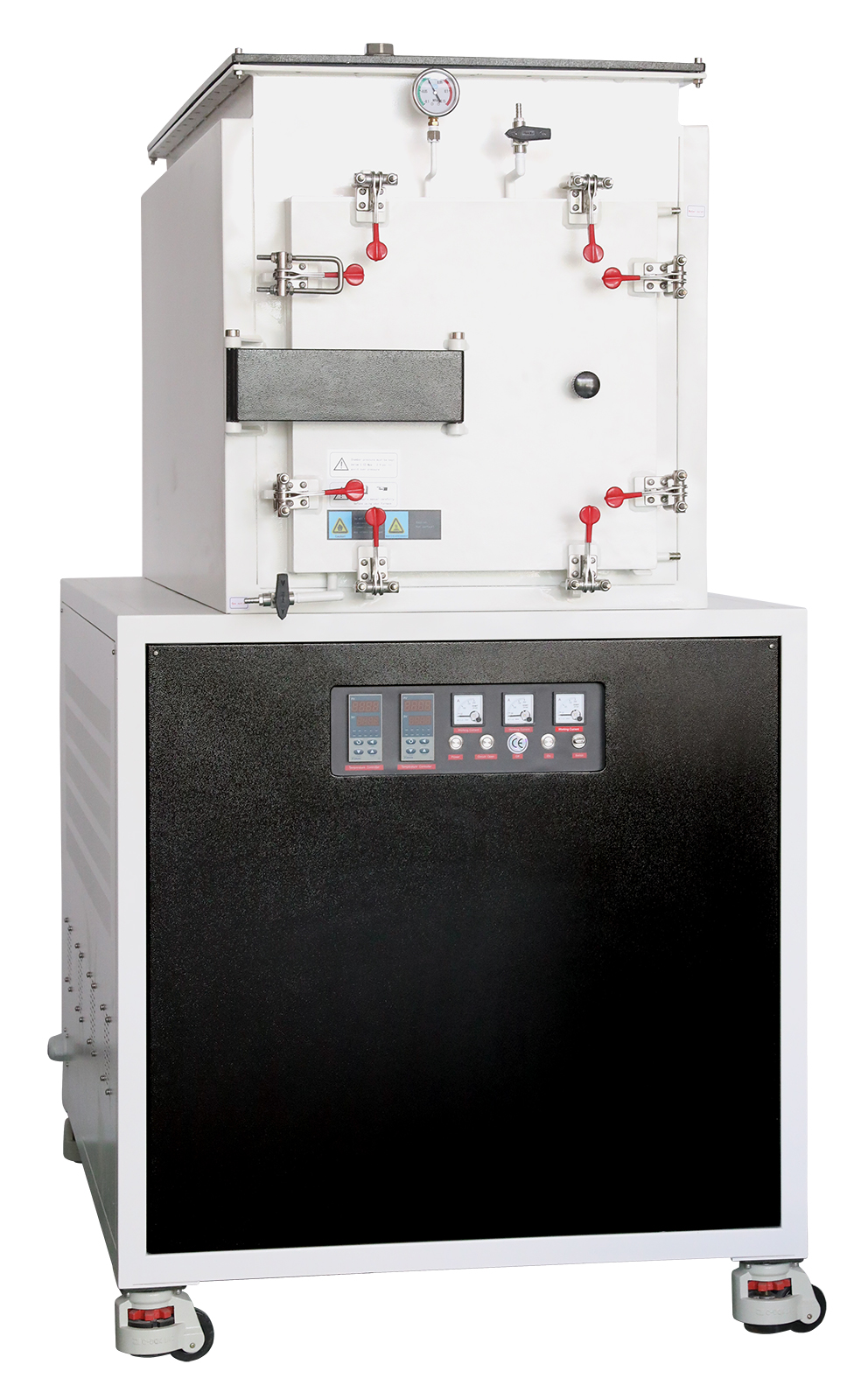
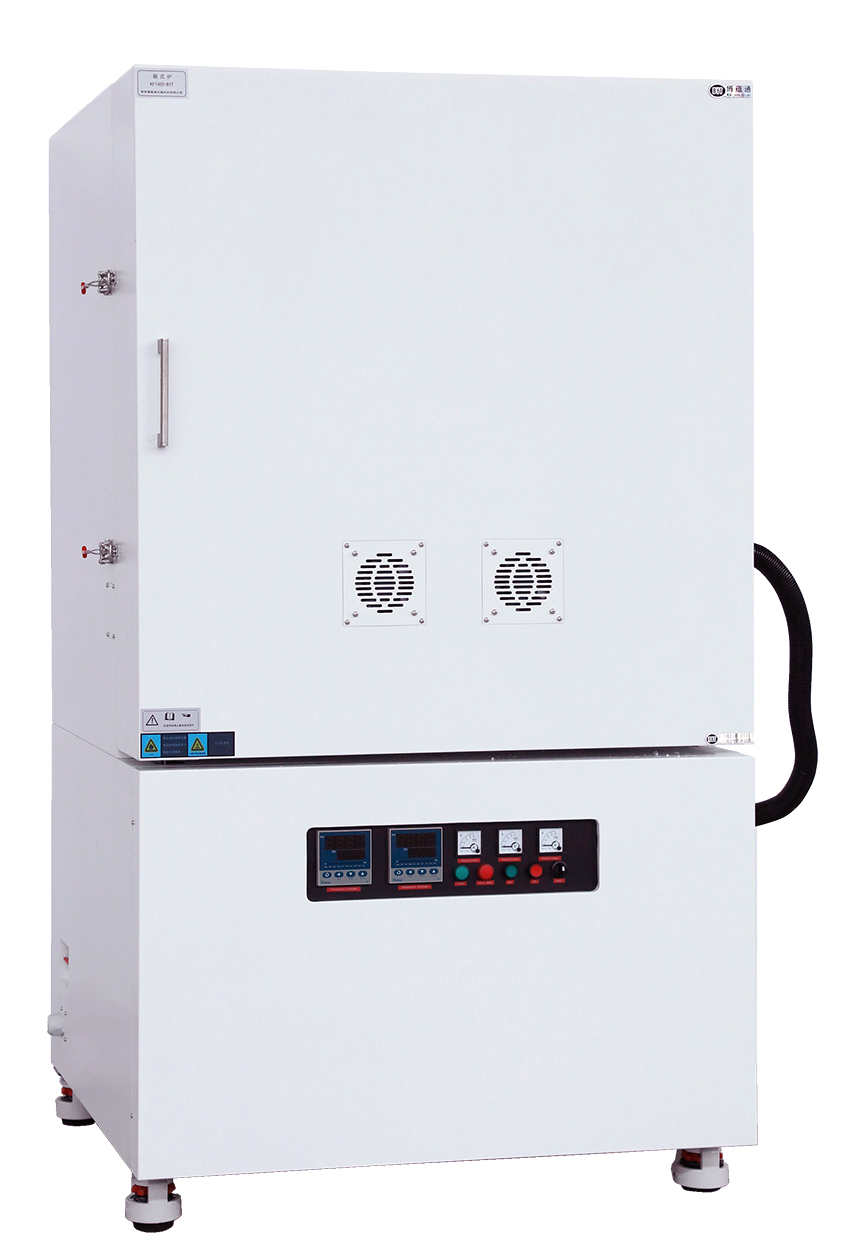
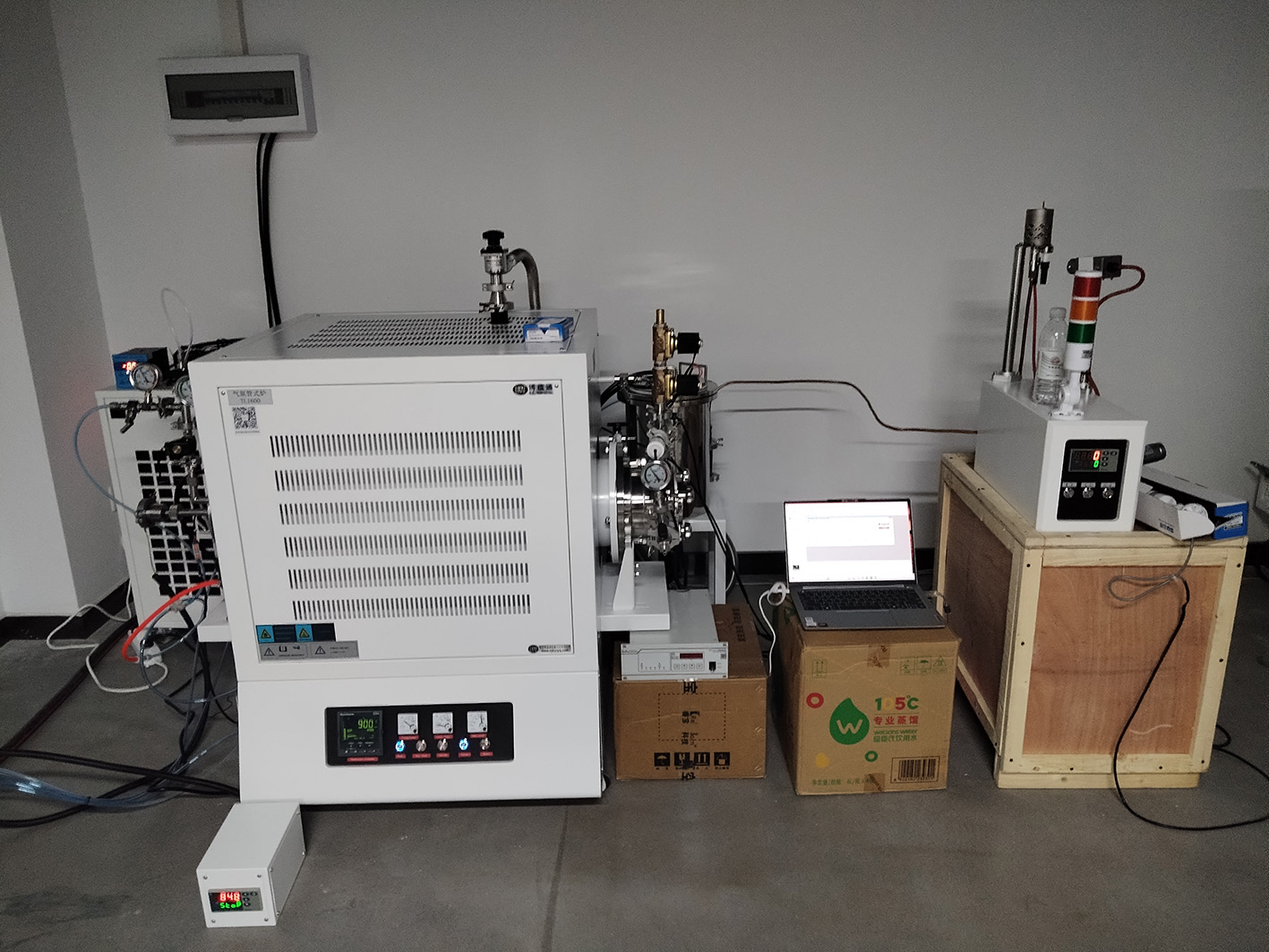
Tube resistance furnaces and box resistance furnaces are both electric thermal systems, but they differ in chamber geometry, sample loading, gas handling and how uniform the usable heating zone can be.
Where the two furnace styles differ most
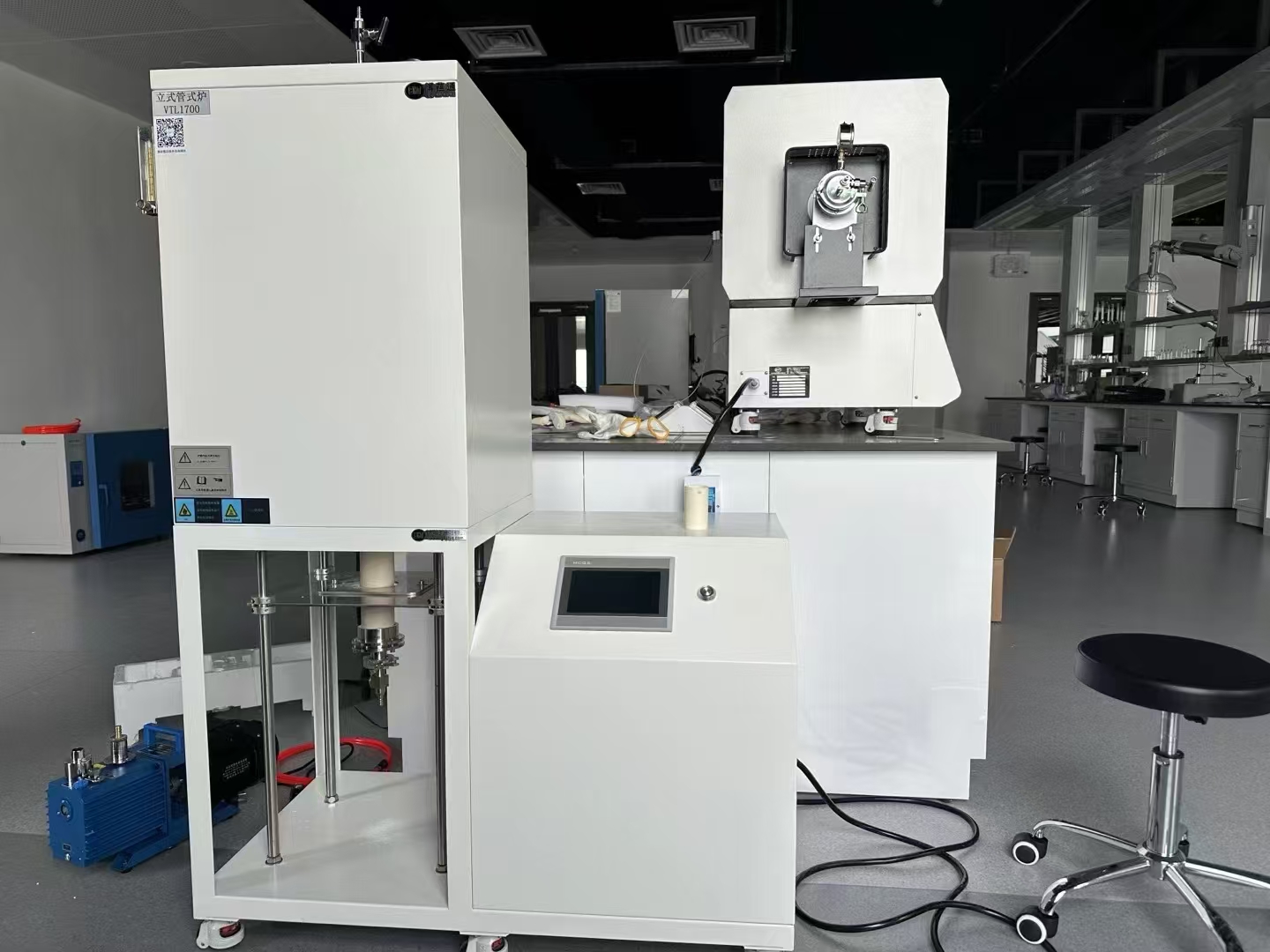
A tube furnace is usually better when the sample must sit in a narrow controlled path or when gas flow through the tube matters. A box furnace is usually better when the batch is larger, the parts are wider or the loading pattern needs a chamber with more open access.
That difference affects more than size. It changes how easy the furnace is to seal, how the atmosphere is managed and how the temperature field behaves around the load.
How to choose between them
The best choice depends on the process route, not the furnace name. If the job needs tube-style gas control and a linear hot zone, the tube furnace usually fits better; if the job needs a batch chamber or simpler loading, the box furnace usually wins.
A useful inquiry should include sample geometry, batch size, atmosphere, temperature range and whether the process needs rotation, purge or vacuum support. Those details show whether the difference matters in practice.
Key facts
- ✓Tube furnaces suit linear gas paths and narrow load zones.
- ✓Box furnaces suit batch loading and wider chamber access.
- ✓Atmosphere control can be different in the two layouts.
- ✓The process route matters more than the furnace label.
- ✓Sample geometry often decides the right style first.
How to approach the process
- 01
Define the process route and sample geometry.
- 02
Compare batch size and atmosphere needs.
- 03
Check loading, sealing and maintenance access.
- 04
Review temperature uniformity expectations.
- 05
Choose the furnace style that matches the real workflow.
What to specify before comparing equipment
Long, narrow or tubular loads often fit a tube furnace better.
Wider or larger batches usually favor a box furnace.
Gas path and sealing requirements may point clearly to one style.
If loading needs a simple open chamber, the box furnace may be easier.
Choose the layout that is easier to inspect and service in your room.
Useful inputs for a technical inquiry
A clear first inquiry does not require a final specification. It should establish the material, process target and operating constraints so the equipment scope can be reviewed against the application.
- ✓Sample geometry and batch size
- ✓Atmosphere and gas path
- ✓Temperature range and uniformity need
- ✓Loading and sealing preference
- ✓Maintenance and access limit
Frequently asked questions
Is a tube furnace always more precise?
Not always. It is just better for some load shapes and gas paths.
Is a box furnace always easier to use?
Often yes for batch loading, but the process route still decides the best fit.
What should I compare first?
Compare the sample shape, batch size and atmosphere needs before the furnace type.