In one sentence
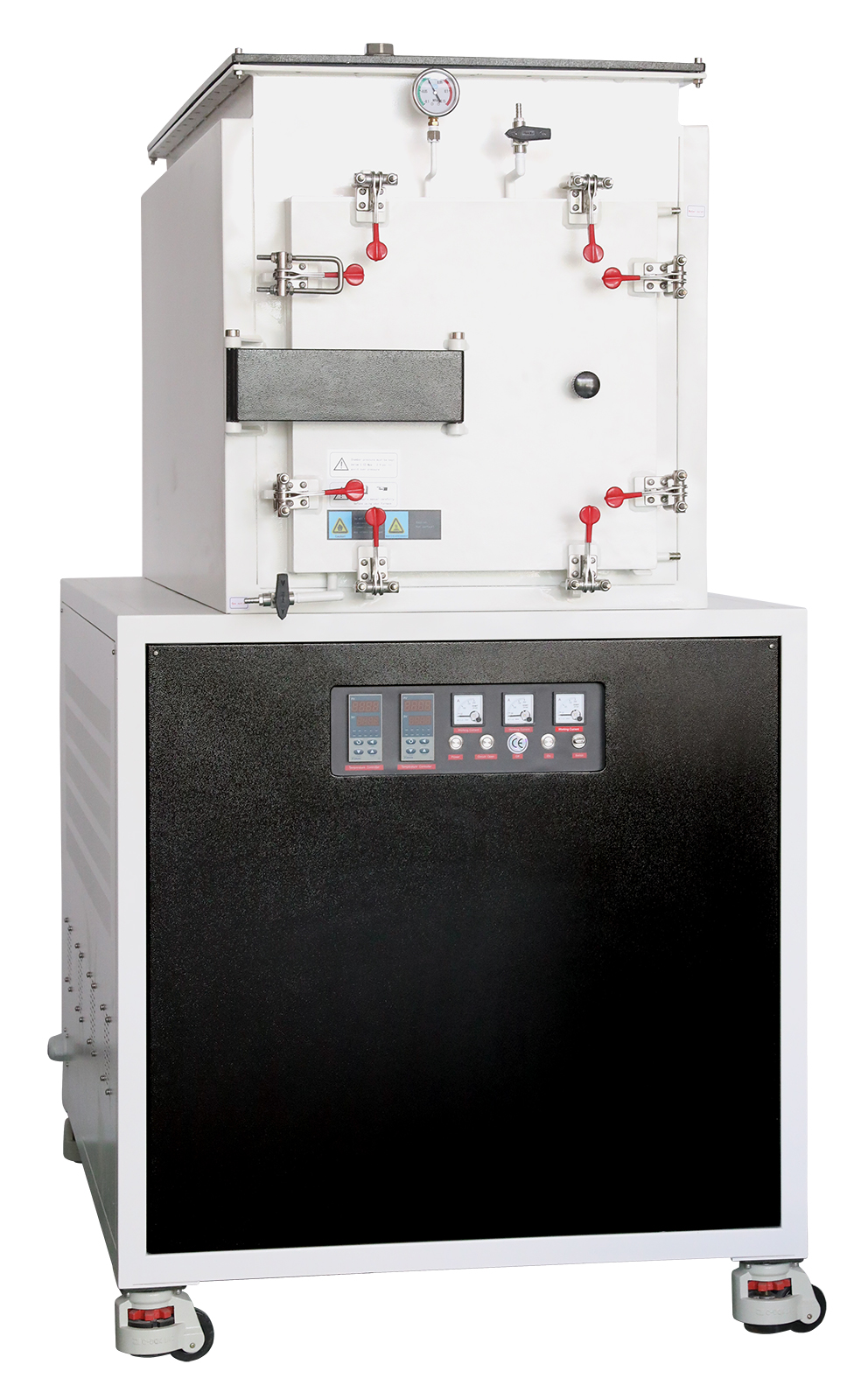
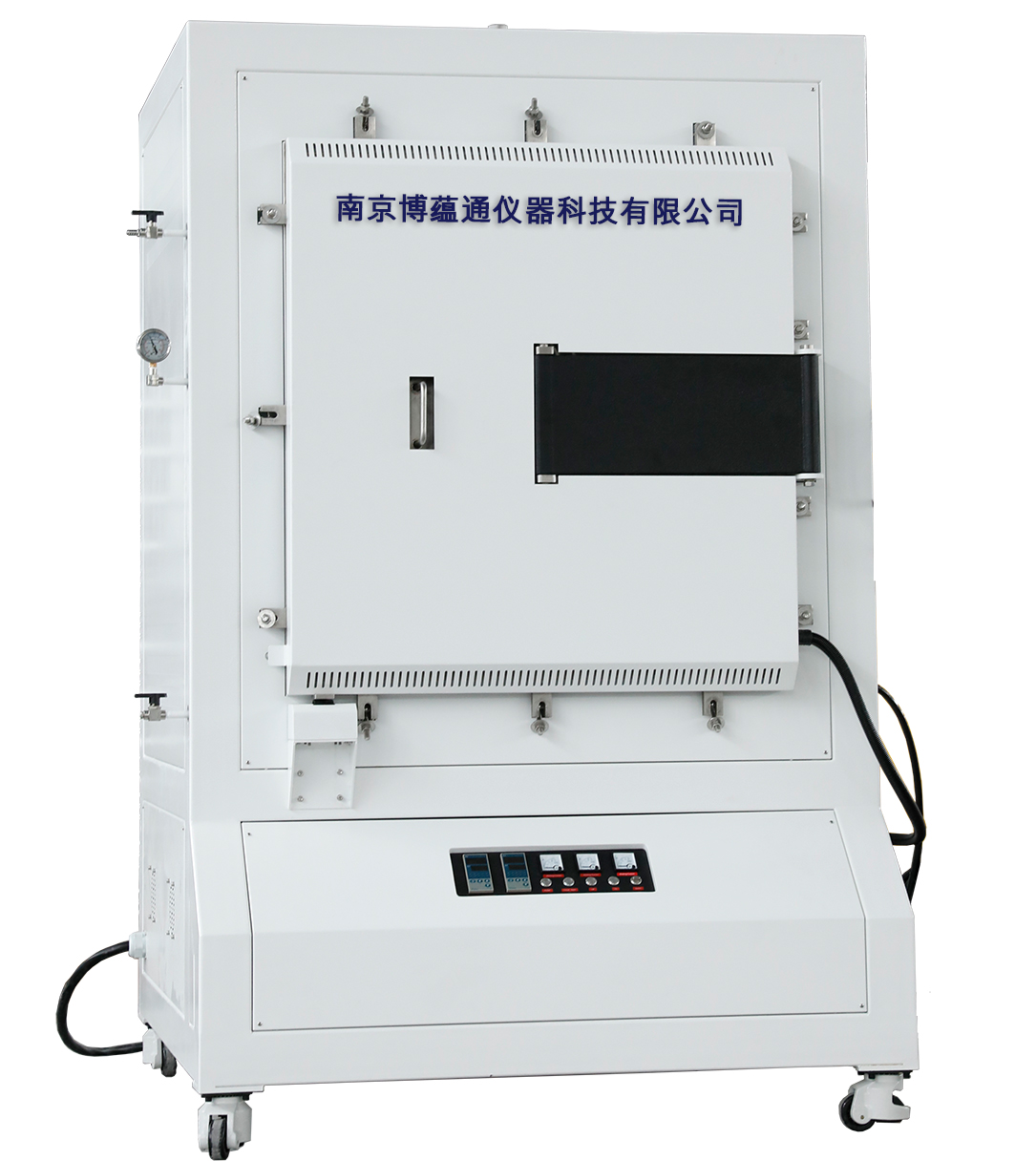
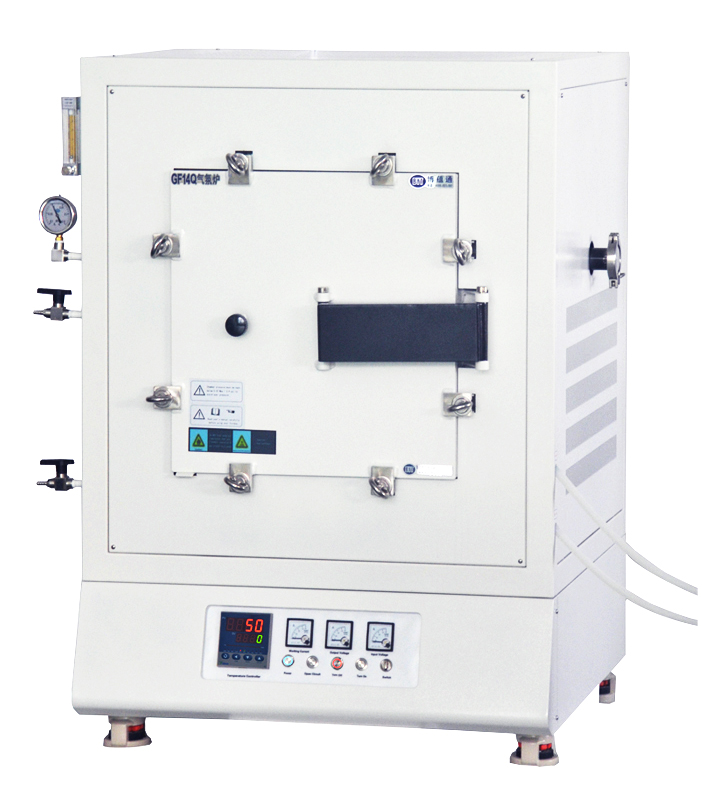
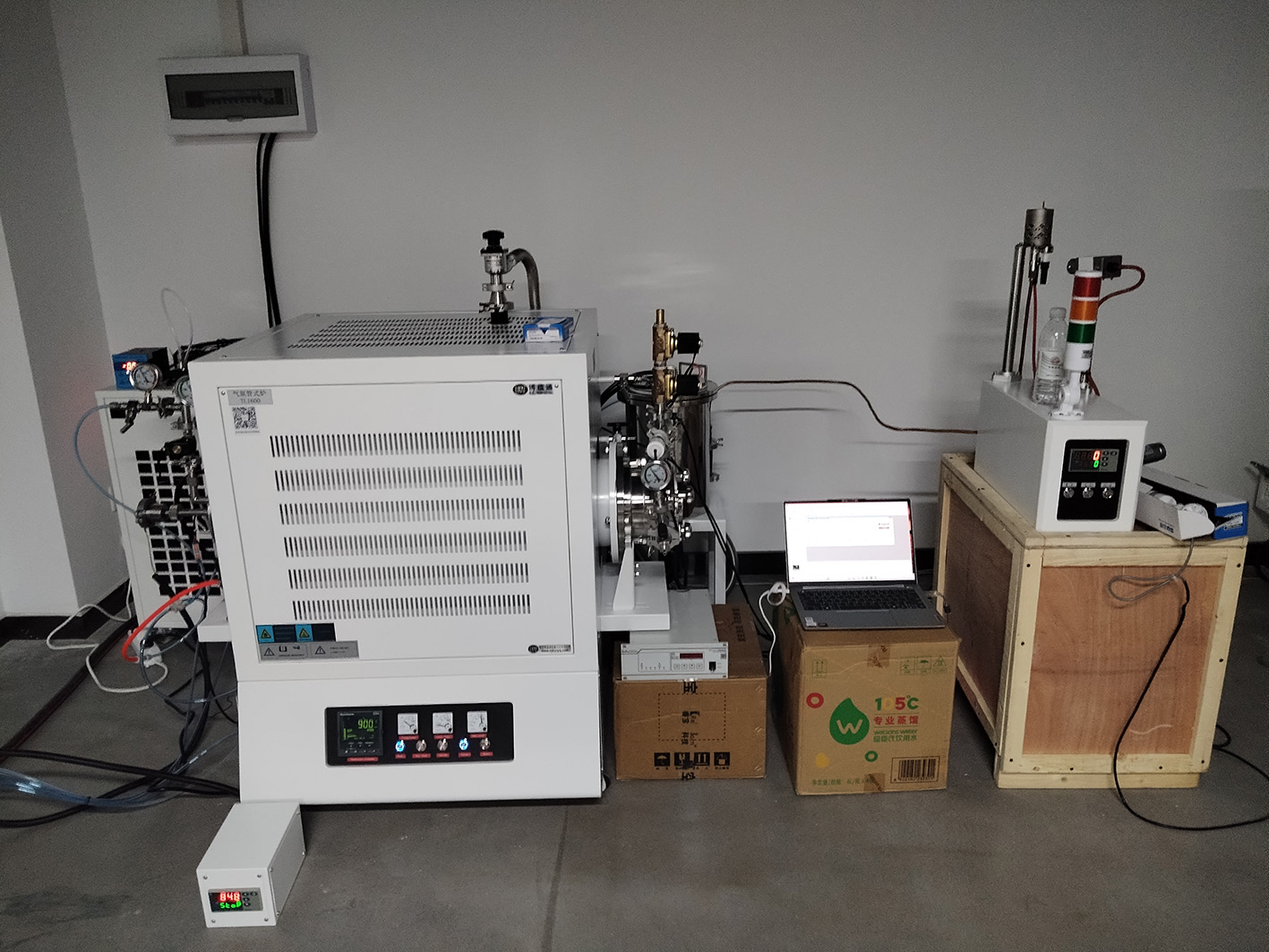
The characteristics of a high-temperature furnace are the combination of temperature capability, chamber design, heating behavior, atmosphere handling and maintenance practicality that shape real use.
Which characteristics matter most
A furnace is not defined by one maximum temperature number. Uniformity, recovery time, atmosphere control, loading access and maintenance behavior all influence whether the equipment is actually useful in production or research.
If any one of those characteristics is weak, the furnace may still be able to heat but it may fail to hold the process window the way the job needs.
What to define before selection
The first inquiry should describe the process route, temperature range, atmosphere, load size, duty cycle and service expectation. That gives the supplier enough context to decide whether the chamber, elements and control architecture are reasonable.
It also helps to state what matters most to the project: faster heating, better uniformity, lower shell temperature or easier maintenance. Different furnace designs optimize for different tradeoffs.
Key facts
- ✓A furnace is judged by more than peak temperature.
- ✓Uniformity and recovery time affect process quality.
- ✓Atmosphere control and maintenance access matter to daily use.
- ✓The right design depends on the project priority.
- ✓Selection should start from the process route.
How to approach the process
- 01
State the process route and temperature window.
- 02
Define the atmosphere and batch size.
- 03
Compare uniformity, recovery and service needs.
- 04
Identify the most important project priority.
- 05
Request a furnace layout matched to the use case.
What to specify before comparing equipment
Peak temperature alone is not enough; holding behavior matters too.
The chamber should match the process tolerance across the usable load zone.
Gas handling often decides whether a furnace fits the route.
How fast the furnace returns to setpoint affects productivity.
The furnace should be maintainable without unnecessary downtime.
Useful inputs for a technical inquiry
A clear first inquiry does not require a final specification. It should establish the material, process target and operating constraints so the equipment scope can be reviewed against the application.
- ✓Process route and temperature range
- ✓Atmosphere and batch size
- ✓Uniformity and recovery requirement
- ✓Maintenance and access limit
- ✓Main project priority
Frequently asked questions
Is maximum temperature the only thing that matters?
No. Uniformity, atmosphere and service behavior matter just as much.
Why list the project priority?
Because one design may be better for speed, while another is better for uniformity or maintenance.
Should the process route come first?
Yes. The furnace should follow the route, not the other way around.