In one sentence
A tube atmosphere furnace is safest and most repeatable when tube condition, gas path, loading method, temperature profile and cooldown are checked as one operating system.
What to confirm before the heat-up begins
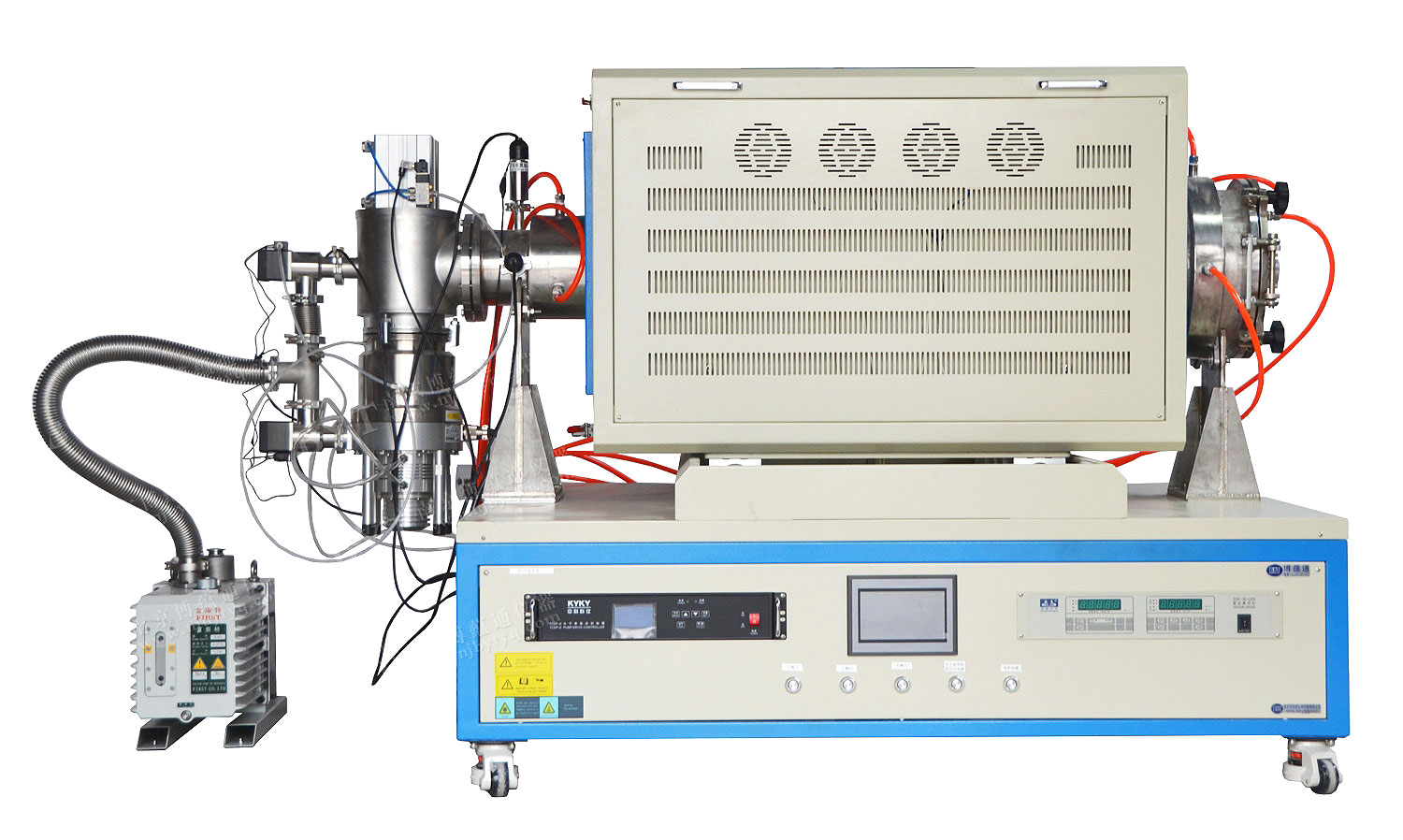
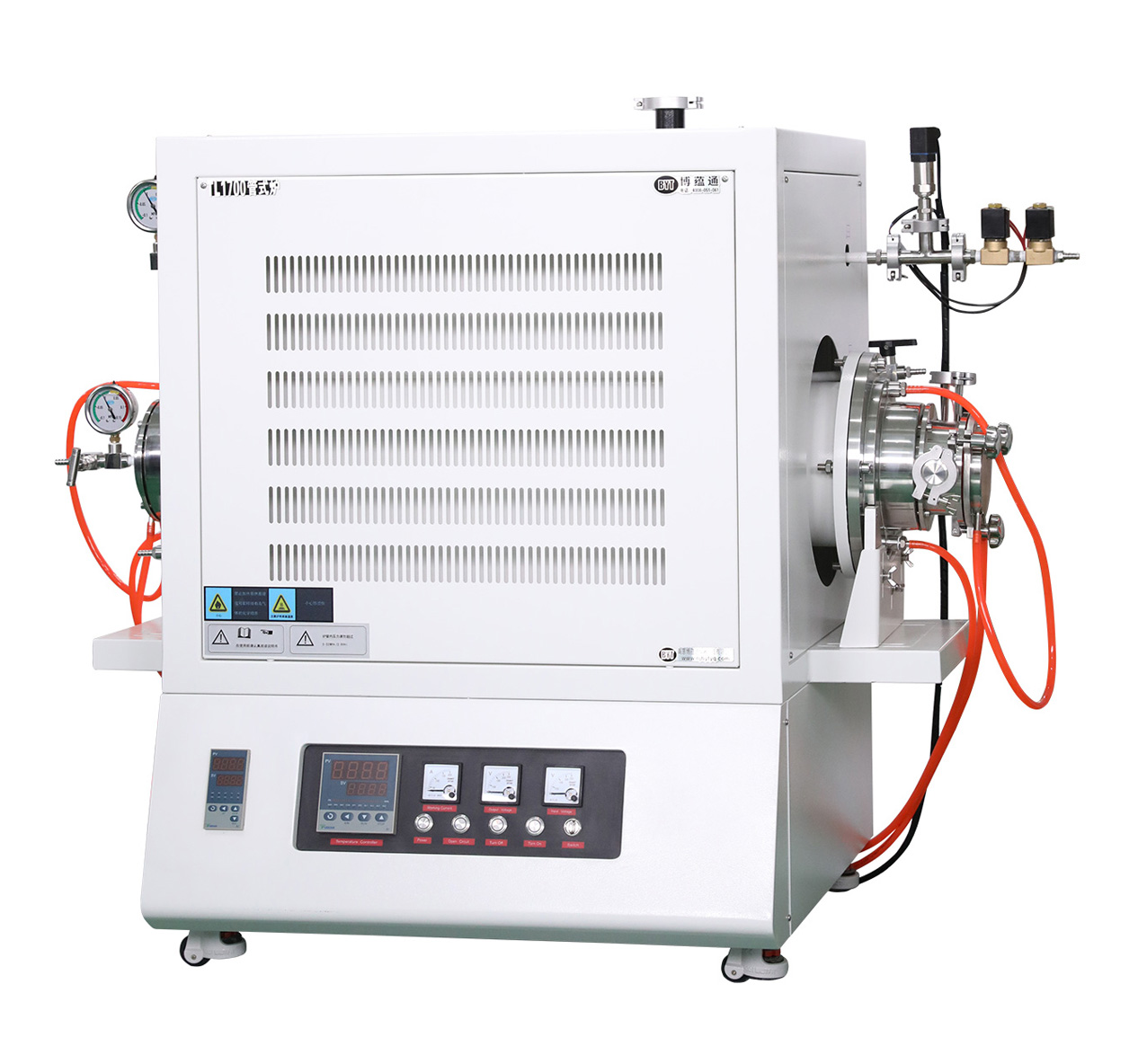
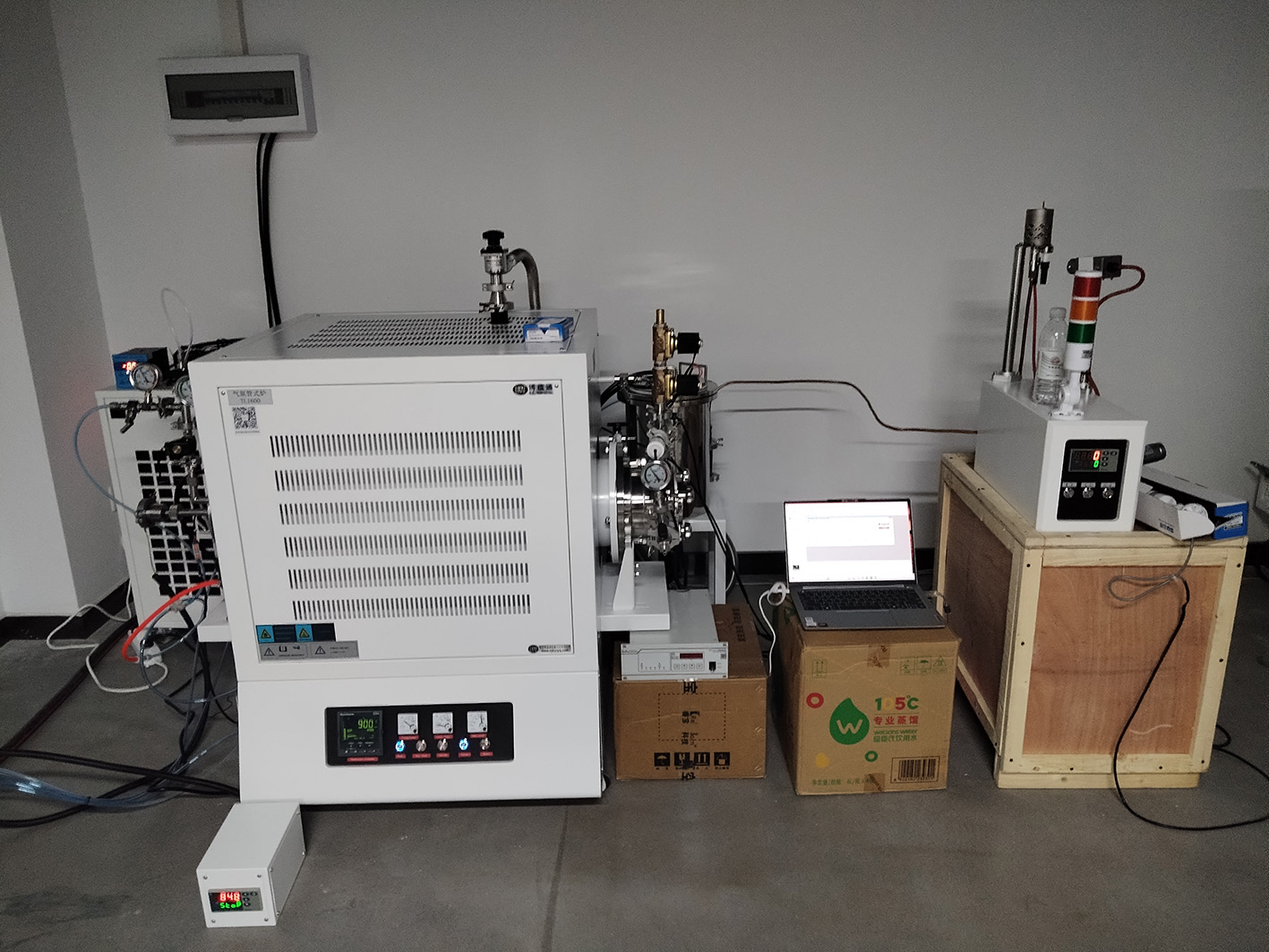
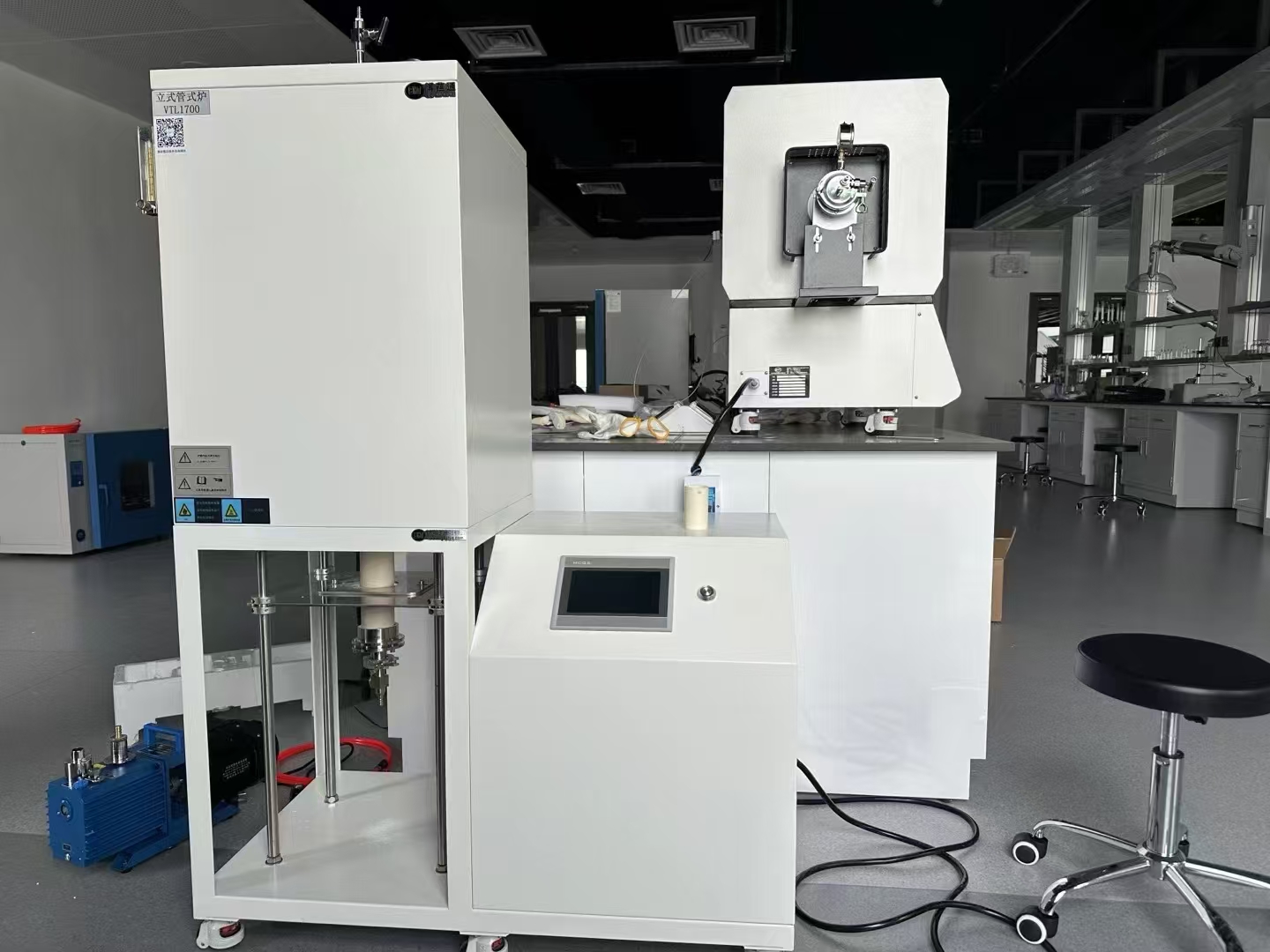
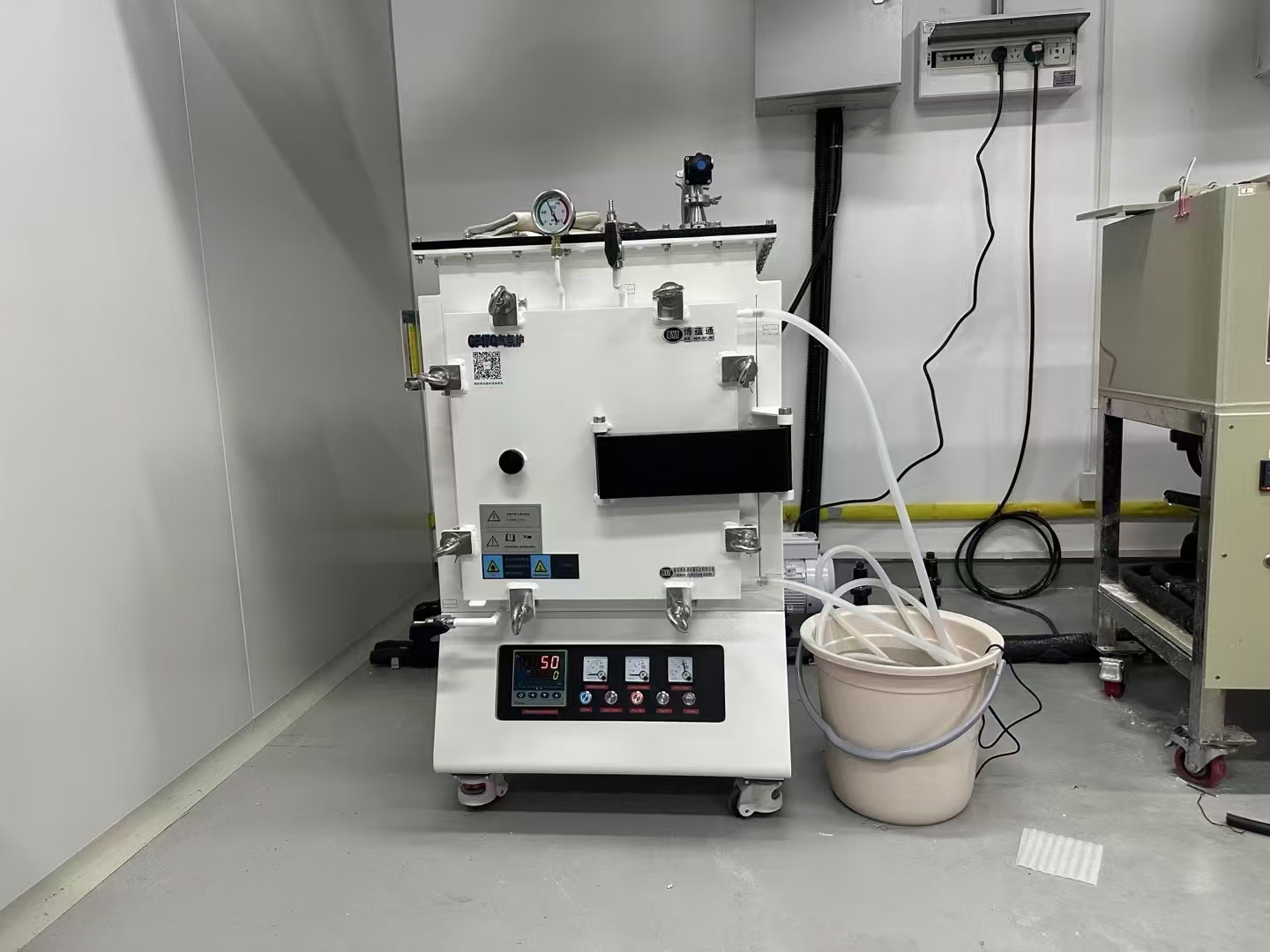
Before energizing the furnace, the tube, end seals, gas connections, sample supports and controller should all be checked together. The tube furnace often looks simple from outside, but the most common mistakes come from loading, sealing or gas flow rather than from the heater itself.
The operator should also confirm the atmosphere plan. Air, inert gas, hydrogen and vacuum-supporting layouts all change the required purge order, safety scope and how the sample should be placed in the hot zone.
What to watch during the run and cooldown
During the run, the key items are temperature stability, gas flow, exhaust behavior and any sign of local overheating near the tube ends. If the controller or display drifts away from the expected cycle, the furnace should be paused and checked before the batch is affected.
Cooldown matters too. Opening a hot tube too early, cooling it too fast or removing fixtures before the tube has stabilized can shorten tube life and disturb the next cycle more than many users expect.
Key facts
- ✓Tube condition and end seals should be checked before every run.
- ✓Gas flow and purge order change with the selected atmosphere.
- ✓Loading position affects both uniformity and tube life.
- ✓The run should be monitored for drift, leaks and hot spots.
- ✓Cooldown is part of the process, not an afterthought.
How to approach the process
- 01
Inspect the tube, seals and sample supports.
- 02
Confirm the gas or vacuum sequence before heating.
- 03
Place the load in the intended hot-zone position.
- 04
Monitor temperature, flow and exhaust during the cycle.
- 05
Let the tube cool to a safe state before opening or unloading.
What to specify before comparing equipment
Match the tube to the peak temperature and the chemistry of the atmosphere.
State whether the furnace uses inert gas, hydrogen, vacuum support or another gas path.
Give the sample size, fixture type and loading position so the hot zone is used correctly.
Specify the desired uniformity and hold time so the controller can be set properly.
Include cooldown expectations and the parts that should be checked after each run.
Useful inputs for a technical inquiry
A clear first inquiry does not require a final specification. It should establish the material, process target and operating constraints so the equipment scope can be reviewed against the application.
- ✓Tube diameter, heated length and tube material
- ✓Maximum temperature and gas or vacuum atmosphere
- ✓Sample size, fixtures and loading method
- ✓Expected hold time and uniformity requirement
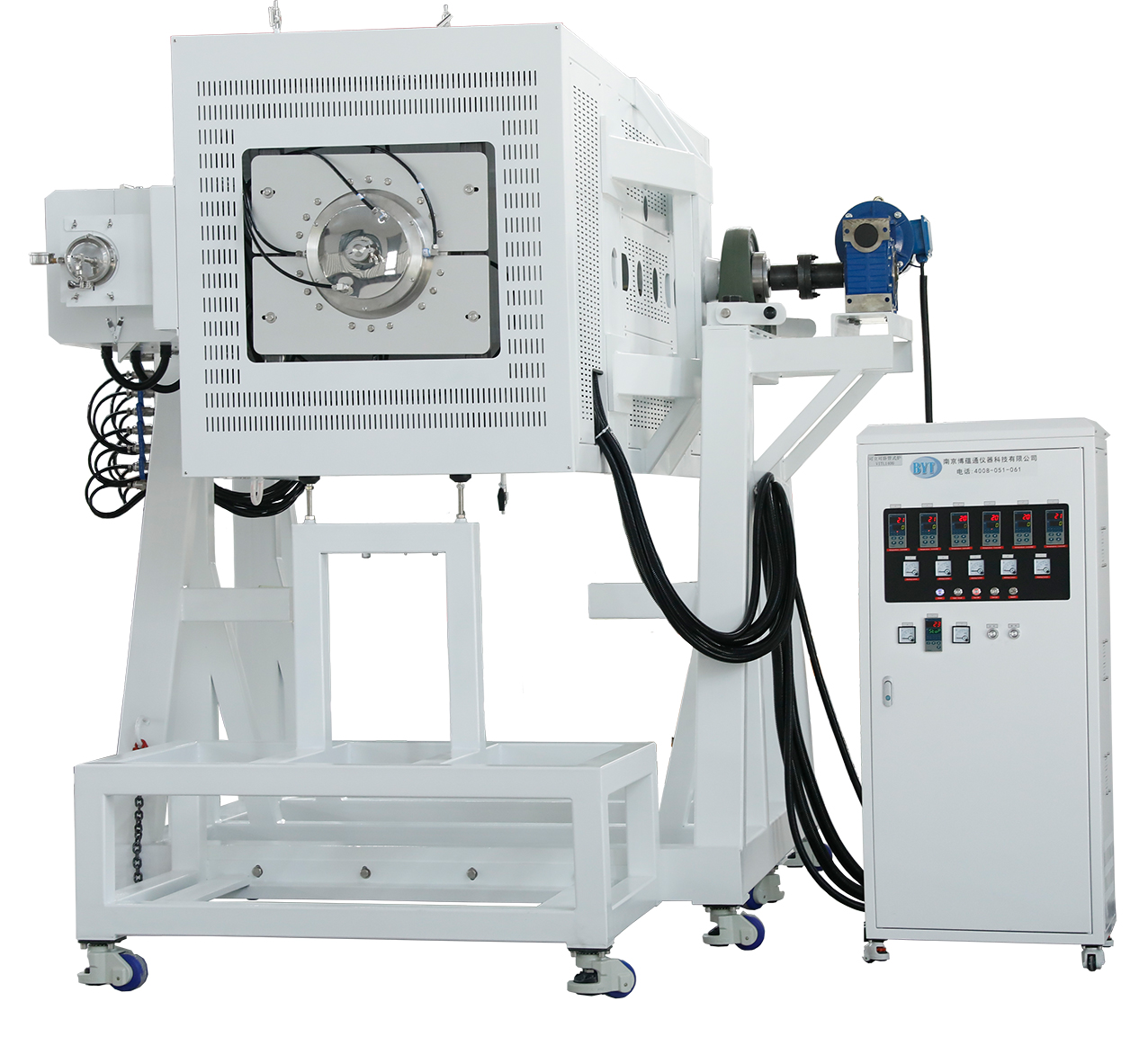
- ✓Rotation, purge or safety option if applicable
Frequently asked questions
What causes most tube-furnace mistakes?
Incorrect loading, weak gas control and ignoring cooldown are the most common issues.
Can a tube furnace use hydrogen?
Yes, if the gas path, seals and safety controls are designed for hydrogen service.
How can tube life be extended?
Use the correct tube material, avoid thermal shock and keep the loading and cooldown sequence consistent.