In one sentence
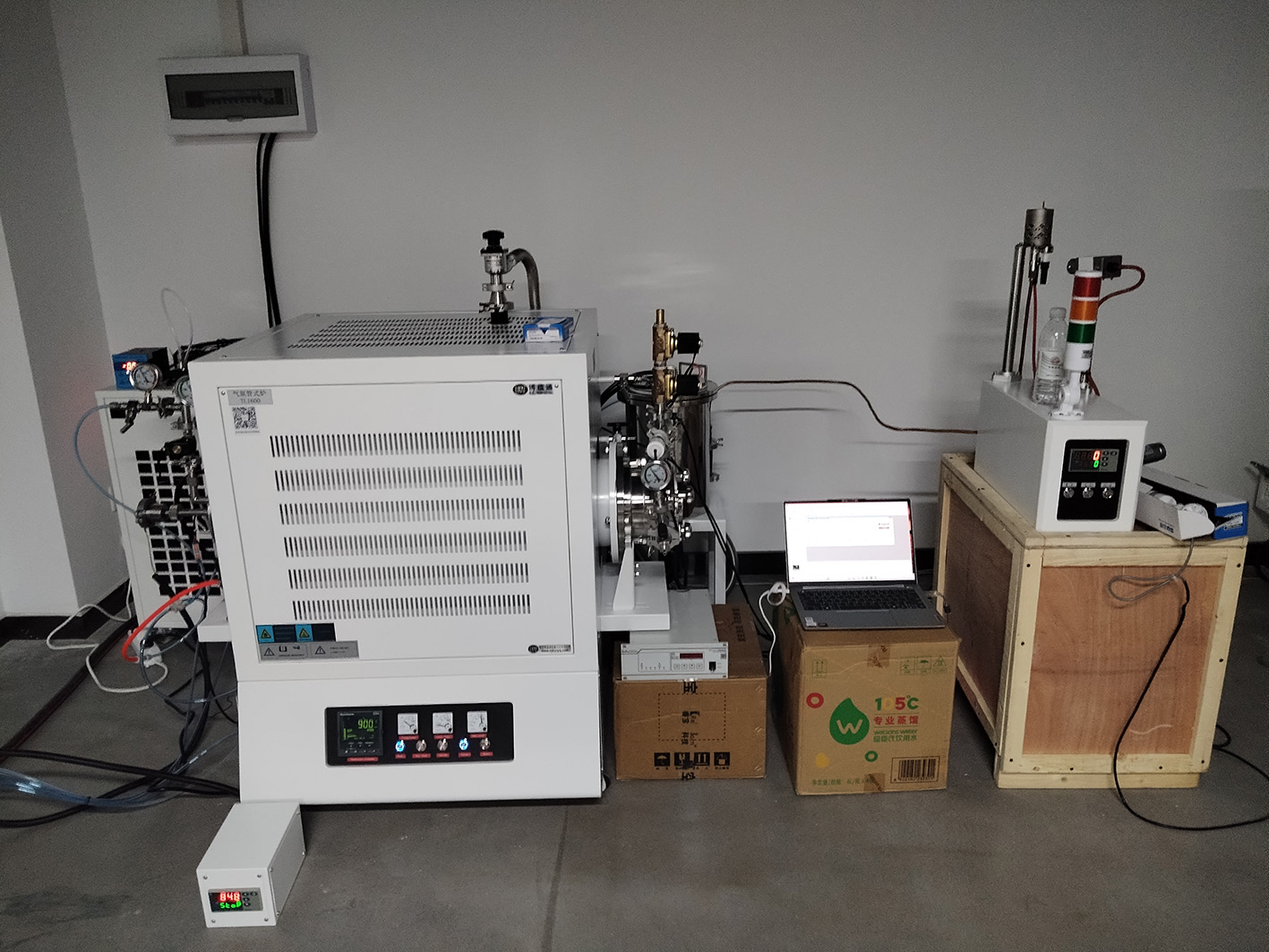
One-computer furnace control is a multi-machine control setup in which a single interface supervises several furnaces while each furnace keeps its own temperature loop, alarm logic and safety interlocks.
How the control architecture should work
The computer should act as the supervisor, not as the only layer of control. Each furnace still needs its own temperature loop, alarms and shutdown path so one machine fault does not collapse the whole system.
A good architecture also keeps recipes, trend data and operator actions separated by furnace ID. That makes it possible to trace what happened on one machine without confusing it with a second or third furnace running at the same time.
What to define before integration starts
Before the computers and controllers are linked, the project should define how many furnaces are being controlled, whether their recipes are shared or separate, and what happens if communication drops. The control scope should also say how alarms, emergency stops and data logs are handled.
If the line may expand later, that should be part of the first design. It is much easier to reserve network capacity, tag naming and database structure early than to rebuild them after the system is already in production.
Key facts
- ✓A shared computer does not replace independent furnace safety logic.
- ✓Recipes and logs should be separated by furnace ID.
- ✓Alarm handling needs to stay clear when more than one furnace runs at once.
- ✓Communication loss and emergency stop behavior should be defined first.
- ✓Expansion is easier when the network and database design allow it.
How to approach the process
- 01
List the furnaces that need to be controlled from one computer.
- 02
Define the temperature loops, alarm logic and shutdown paths for each unit.
- 03
Choose how recipes, logs and operator access will be separated.
- 04
Specify the communication protocol and failure behavior.
- 05
Confirm the expansion plan before the system is wired.
What to specify before comparing equipment
State how many furnaces will be supervised so the control layout scales correctly.
Each furnace should keep its own interlocks and emergency shutdown path.
Separate trends, alarms and operator actions by furnace for traceability.
Define the protocol, network layout and what happens when a link fails.
Reserve tag space and database structure if more furnaces may be added later.
Useful inputs for a technical inquiry
A clear first inquiry does not require a final specification. It should establish the material, process target and operating constraints so the equipment scope can be reviewed against the application.
- ✓Number and type of furnaces to be controlled
- ✓Shared or separate recipe requirement
- ✓Alarm, interlock and emergency-stop behavior
- ✓Logging and traceability requirement
- ✓Expansion or future-line expectation
Frequently asked questions
Can one computer safely run several furnaces?
Yes, if each furnace still has its own independent control and safety logic.
What is the biggest design mistake?
Treating the computer as the control layer instead of the supervisory layer.
Should logs be combined or separated?
They should be separated by furnace so operators can trace each machine cleanly.