In one sentence
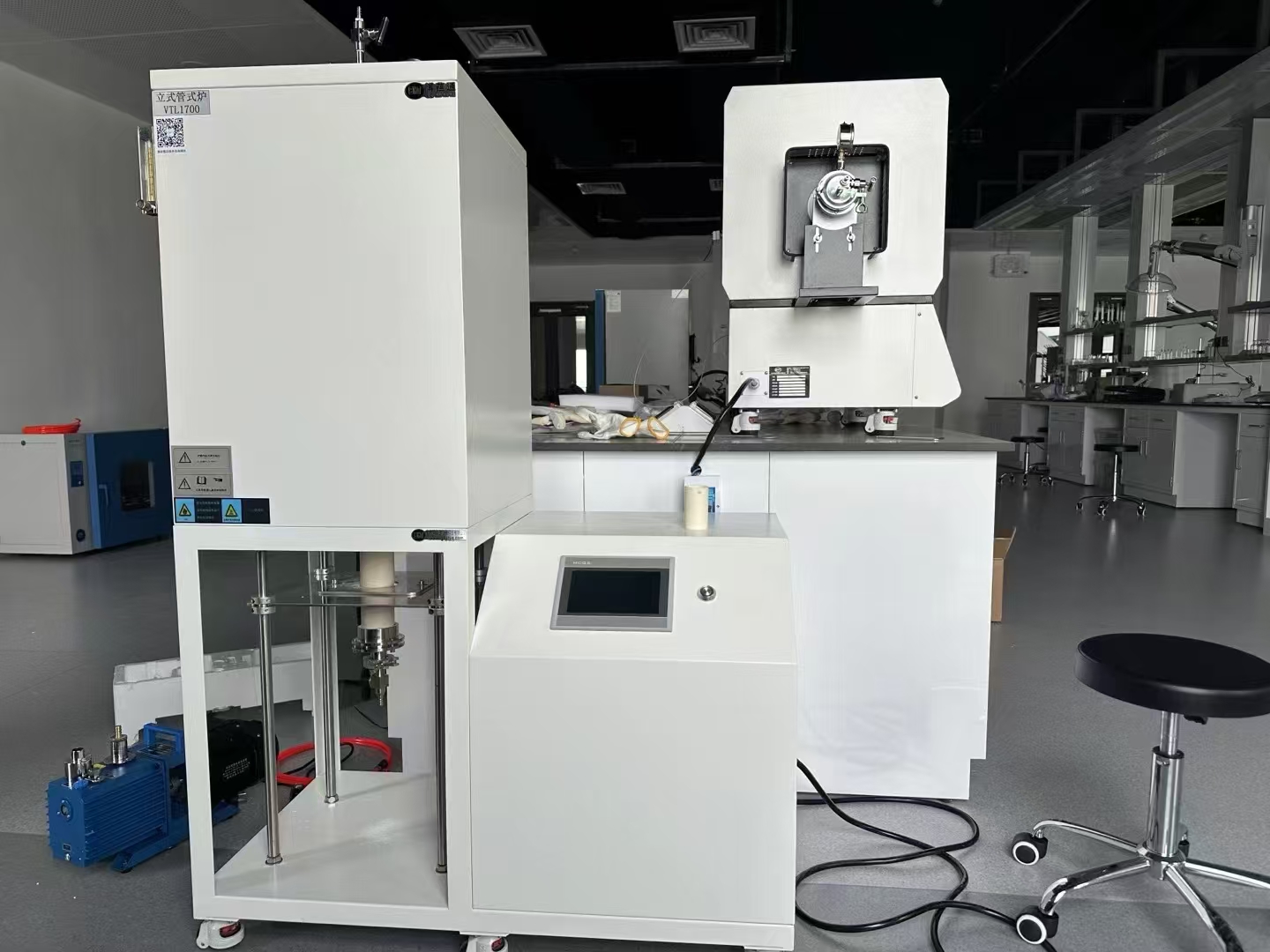
Using a high-temperature furnace in laboratory work means following a controlled sequence for loading, heating, monitoring and shutdown so the sample and the furnace both stay within the intended limits.
What good usage looks like
Good furnace use starts before the chamber is hot. The load, fixtures, atmosphere, temperature program and room ventilation should already be clear so the operator is not making decisions under heat.
The process should also be repeatable. A short written sequence helps the lab avoid different results from different operators and makes the furnace easier to troubleshoot later.
What to do during and after the cycle
During the run, monitor temperature stability, gas behavior and any sign of abnormal smell, noise or power draw. If the cycle shifts away from the plan, it is better to pause and inspect than to assume the sample will survive the drift.
After the run, let the furnace cool to a safe state, then note anything unusual in the record. That note is often the only clue that explains why the next batch behaves differently.
Key facts
- ✓A written operating sequence improves repeatability.
- ✓Loading and atmosphere should be settled before heat-up.
- ✓Monitoring during the run catches drift early.
- ✓Cooldown and recordkeeping are part of the process.
- ✓Different operators should get the same result.
How to approach the process
- 01
Prepare the sample, fixture and atmosphere plan.
- 02
Set the temperature program and safety checks.
- 03
Monitor the cycle for drift or abnormal behavior.
- 04
Cool the furnace to a safe state before opening.
- 05
Record the run and any deviation from the plan.
What to specify before comparing equipment
Use fixtures and spacing that match the sample and target result.
State ramp, soak and peak values before starting.
Confirm the gas or air environment before heat-up begins.
Watch for drift, noise, smell or power changes during the cycle.
Write down what happened so the next cycle can be repeated or improved.
Useful inputs for a technical inquiry
A clear first inquiry does not require a final specification. It should establish the material, process target and operating constraints so the equipment scope can be reviewed against the application.
- ✓Sample type and fixture arrangement
- ✓Temperature program and hold time
- ✓Atmosphere and ventilation plan
- ✓Monitoring and alarm preference
- ✓Cooldown and logging expectation
Frequently asked questions
What is the first thing to prepare?
Prepare the load, fixture and atmosphere plan before heat-up.
Should every run be written down?
Yes. A short record makes repeatability and troubleshooting much easier.
What if the cycle drifts?
Pause and inspect rather than letting the batch continue under the wrong condition.