In one sentence
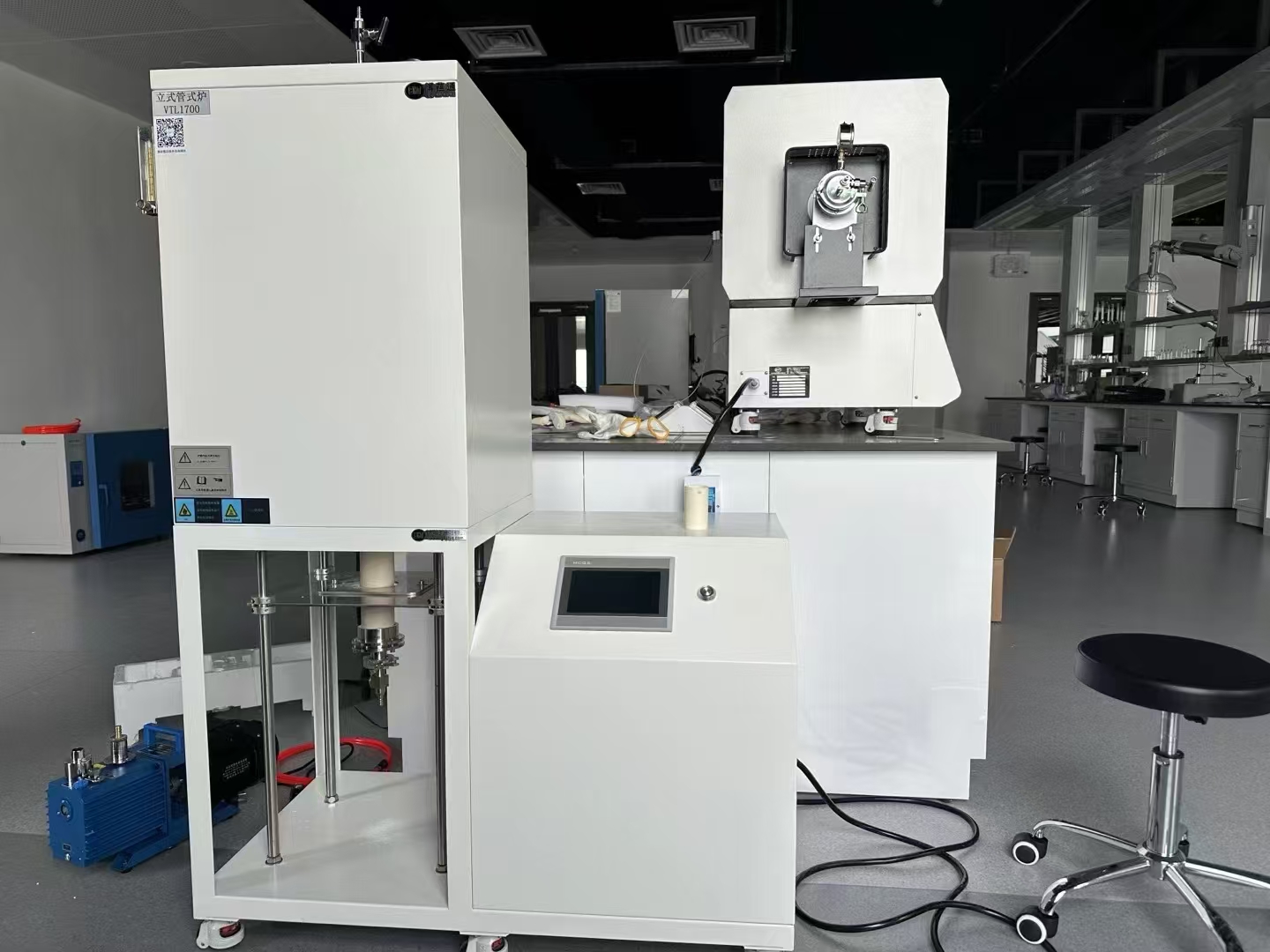
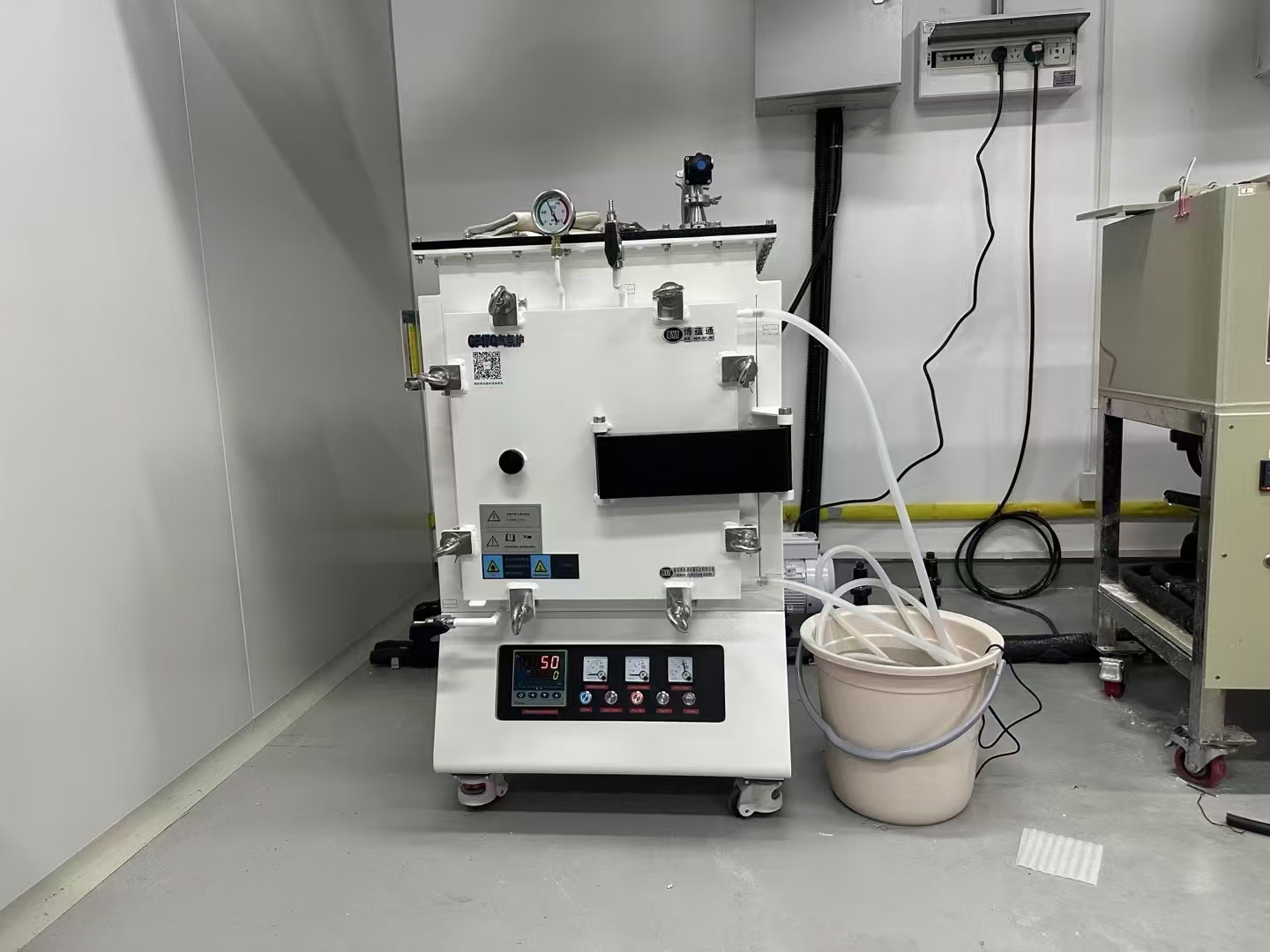
Tube furnace maintenance is the routine inspection and care needed to keep the heating zone, tube, seals, controls and gas path working safely and repeatably.
What should be checked before every run
Before heating starts, the tube, seals, supports, gas path and controller should be checked together. The goal is to catch contamination, cracks, leaks or incorrect loading before the furnace is asked to reach temperature.
A tube furnace often looks simple, but the failure points are spread across the whole setup. A clean tube and a healthy controller still do not help if the seals leak, the boat is misaligned or the gas path is unstable.
What belongs in routine maintenance
Routine care should include cleaning, calibration checks, tube condition review, heater inspection and verification of any interlocks or gas controls. The service interval should be tied to actual run frequency, atmosphere and contamination risk.
If your work includes hydrogen, vacuum or corrosive gases, the maintenance scope should also cover seals, fittings and the parts most likely to degrade under those conditions. That prevents small wear from becoming an unplanned shutdown.
Key facts
- ✓Tube condition matters as much as the heating elements.
- ✓Gas seals and end hardware wear faster in aggressive atmospheres.
- ✓Calibration is part of maintenance, not just a commissioning step.
- ✓Loading practices affect lifetime and temperature uniformity.
- ✓Spare tube and seal planning reduces downtime.
How to approach the process
- 01
Inspect the tube, end seals and supports.
- 02
Check controller readings and safety interlocks.
- 03
Verify gas or vacuum connections before heating.
- 04
Review the tube after each high-temperature cycle.
- 05
Replace worn parts before they fail in service.
What to specify before comparing equipment
Match the tube to the temperature and the chemistry of the process atmosphere.
Use the actual thermal profile to decide how often the furnace should be checked and calibrated.
Hydrogen, vacuum or corrosive gas service usually requires tighter maintenance control.
Fixtures, boats and sample arrangement should be reviewed because they affect wear and hot spots.
Include replacement tubes, seals and sensors in the maintenance plan before they are needed.
Useful inputs for a technical inquiry
A clear first inquiry does not require a final specification. It should establish the material, process target and operating constraints so the equipment scope can be reviewed against the application.
- ✓Tube diameter, heated length and material
- ✓Maximum temperature and operating atmosphere
- ✓Run frequency and loading arrangement
- ✓Calibration, spare parts and service preference
- ✓Any vacuum, hydrogen or rotation requirement
Frequently asked questions
What causes most tube furnace problems?
The common causes are tube wear, seal leaks, loading errors, calibration drift and neglecting the atmosphere control path.
How often should the tube be checked?
That depends on temperature, atmosphere and run frequency, but it should be part of routine pre-run inspection.
When should a tube be replaced?
Replace it when cracks, contamination, deformation or recurring leakage begin to affect the process.