In one sentence
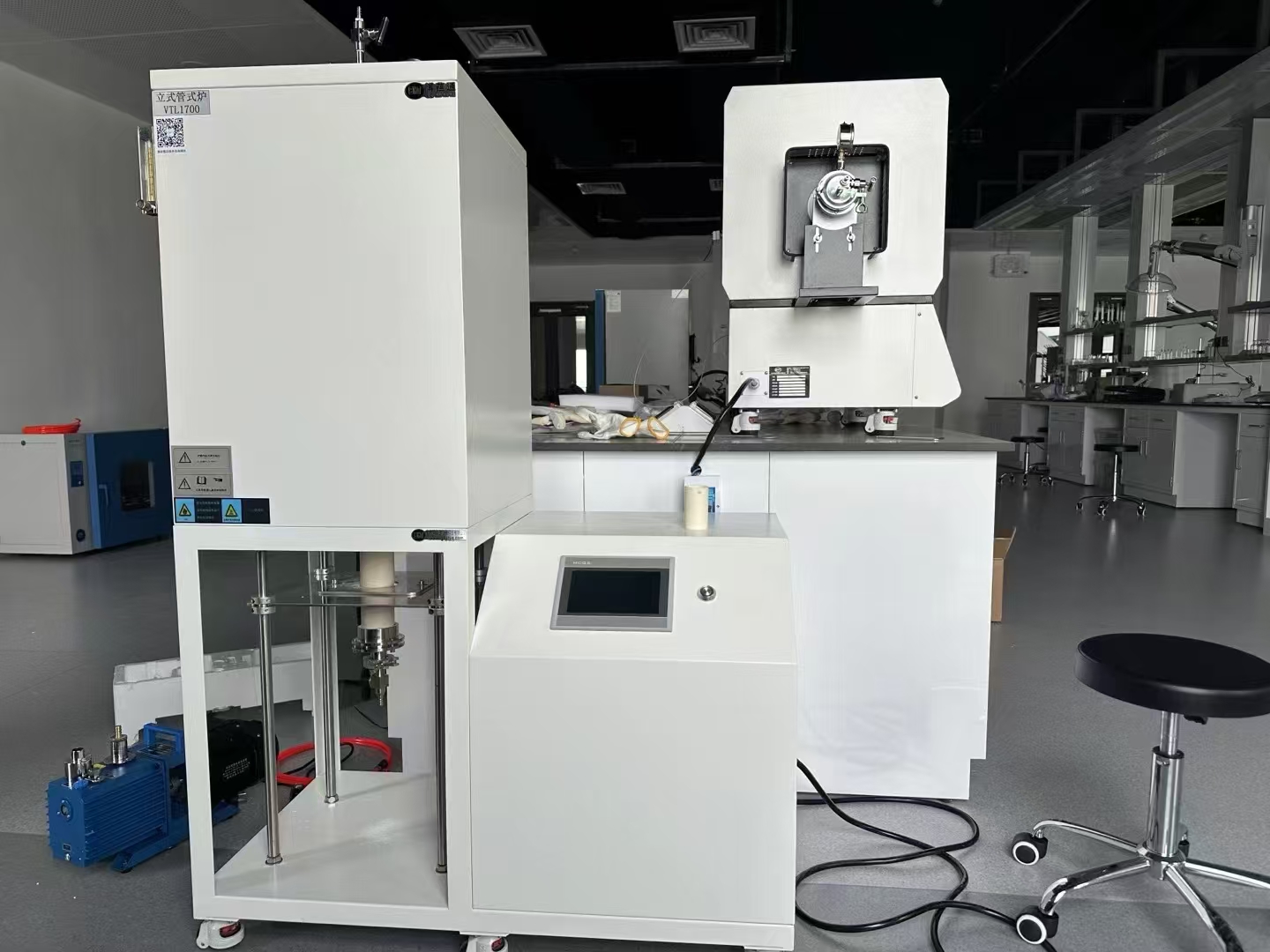
Temperature measurement inside a furnace tube is the controlled use of a sensor or probe to understand the real thermal field where the sample actually sits.
Why tube measurements are tricky
The temperature shown by the controller is not always the temperature that matters inside the process tube. Tube materials, gas flow, load position and the distance from the sensing point can all create a real thermal difference that affects the batch.
That is why tube temperature measurement should be treated as a process check, not only a calibration step. If the sample sits in a different zone than the measurement point, the result can drift even when the controller looks stable.
What a useful measurement plan should include
A practical plan should state the tube diameter, heated length, target temperature, sensor type, insertion point and the tolerance that matters to the process. It should also say whether the measurement is for setup, validation or a regular production check.
If the work includes moving samples, purge gas or rotation, the measurement point should be chosen after the real operating path is considered. That makes the measurement useful for the process instead of just technically correct on paper.
Key facts
- ✓Controller reading and sample temperature may not match.
- ✓Measurement position should reflect the actual load position.
- ✓Sensor type matters in vacuum, gas and rotating systems.
- ✓Calibration is less useful if the measurement point is wrong.
- ✓Validation and routine checks may need different setups.
How to approach the process
- 01
Define the process temperature and tube geometry.
- 02
Choose the sensor type and insertion point.
- 03
Check whether gas flow or movement changes the reading.
- 04
Record the difference between controller and sample zone.
- 05
Repeat the measurement after any process change.
What to specify before comparing equipment
Place the sensor where the sample actually sits, not only where it is easy to access.
Select a sensor that matches the temperature, atmosphere and tube layout.
Give the tube size and the sample position because both affect the real thermal field.
Say whether the reading is for setup, acceptance or routine control.
Rotation, purge flow or sample movement can change the reading enough to matter.
Useful inputs for a technical inquiry
A clear first inquiry does not require a final specification. It should establish the material, process target and operating constraints so the equipment scope can be reviewed against the application.
- ✓Tube diameter and heated length
- ✓Target temperature and tolerance
- ✓Sensor type and insertion method
- ✓Sample position and gas or rotation details
- ✓Validation or routine-check purpose
Frequently asked questions
Why not just trust the controller reading?
Because the controller only shows one point in the system, while the sample may sit in a different thermal zone.
What matters most in tube measurement?
The sensor location and the real load position matter more than a nominal reading alone.
Should this be checked once or often?
It should be checked whenever the tube, load or process route changes.