In one sentence
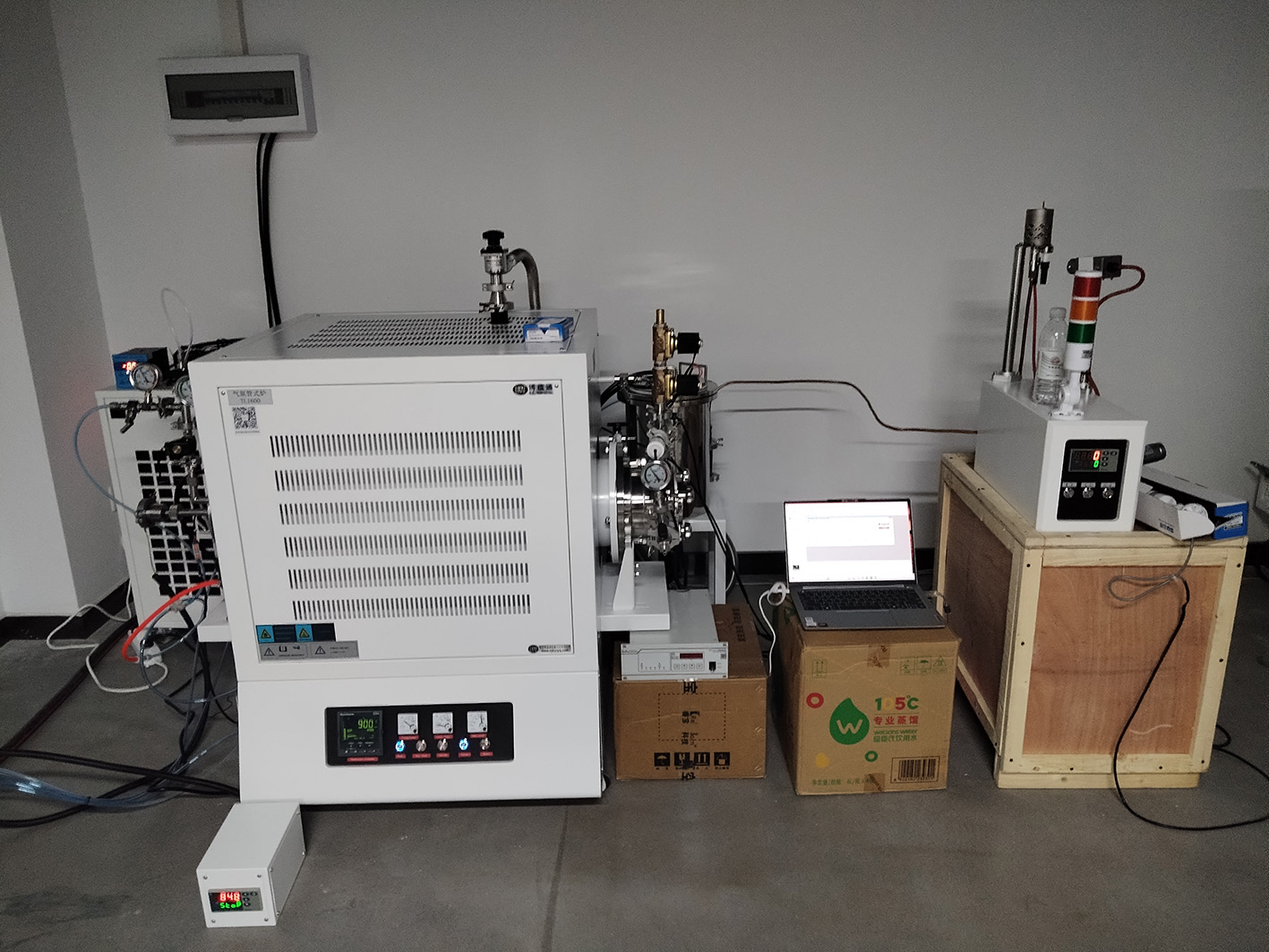
A high-temperature electric furnace with vacuum or atmosphere capability must be specified by temperature, hot-zone design, atmosphere control, insulation, cooling and safety scope together.
What a complete technical requirement should include
The technical requirement should state the peak temperature, temperature uniformity, working-zone size, heating zone layout, atmosphere type and pressure target in one request. When those items are split across several documents, the quote often misses the connection between hot zone, control logic and utilities.
If the furnace also needs vacuum support, gas backfill or a repeatable purge sequence, those steps should be written as part of the process flow. That makes it easier for the supplier to decide whether the system is a standard furnace, a modified furnace or a fully custom build.
Where high-temperature projects usually fail
The most common failure points are under-sized power, weak insulation, poor gas-path planning and incomplete acceptance criteria. A furnace can meet the target temperature on paper and still fail in practice if the loading pattern or atmosphere control is wrong.
It also helps to describe the measurement method, site utilities and maintenance access early. Those details keep the design honest and reduce the risk of a quote that looks complete but cannot be installed or verified cleanly.
Key facts
- ✓Temperature, atmosphere and hot-zone design should be written together.
- ✓Vacuum support changes the utility and control scope of the furnace.
- ✓Insulation and power sizing affect both stability and operating cost.
- ✓Acceptance criteria should be part of the first technical request.
- ✓Measurement method and installation space matter to the final design.
How to approach the process
- 01
Define the peak temperature and working-zone size.
- 02
State whether vacuum or gas atmosphere is required.
- 03
Confirm insulation, power and cooling requirements.
- 04
Add the measurement and acceptance method.
- 05
Request drawings and a complete technical scope.
What to specify before comparing equipment
Write the real process temperature and the acceptable uniformity band.
Describe gas, vacuum and purge requirements as part of the main specification.
Match the working-zone size and lining design to the required thermal window.
State how temperature will be measured and how the controller must behave.
Include power, cooling and site acceptance criteria before the quotation is finalized.
Useful inputs for a technical inquiry
A clear first inquiry does not require a final specification. It should establish the material, process target and operating constraints so the equipment scope can be reviewed against the application.
- ✓Target temperature and working-zone size
- ✓Atmosphere, vacuum and purge requirements
- ✓Heating profile and uniformity expectation
- ✓Power, cooling and installation constraints
- ✓Measurement method and acceptance criteria
Frequently asked questions
Why is atmosphere control part of the furnace specification?
Because vacuum and gas handling change the heating architecture, not only the operating procedure.
What is the biggest mistake in a high-temperature RFQ?
Leaving out measurement, acceptance and utility details that determine whether the furnace can be installed and verified.
Can a standard high-temperature furnace be upgraded later?
Sometimes, but only if the shell, utilities and control architecture can support the added scope.