In one sentence
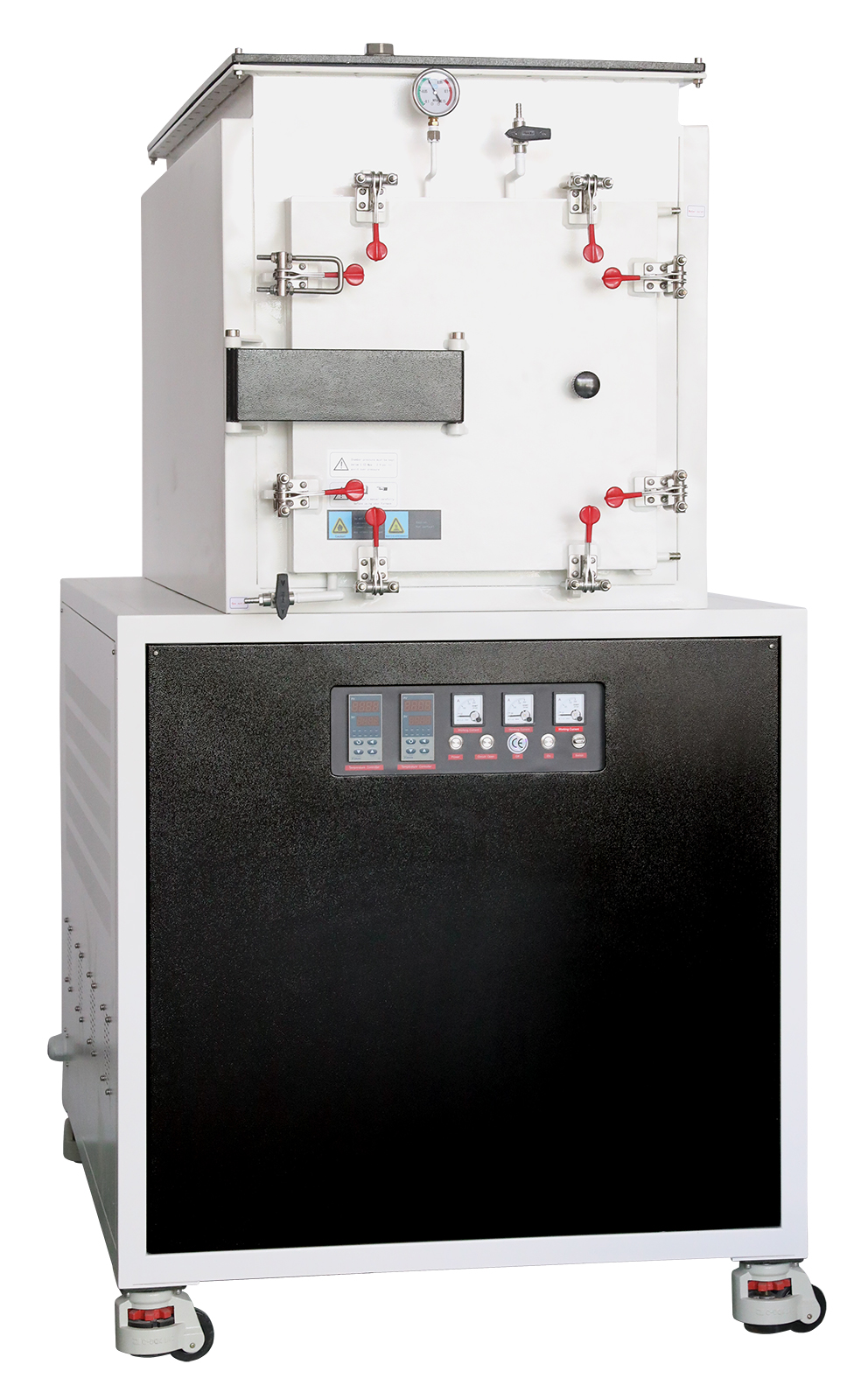
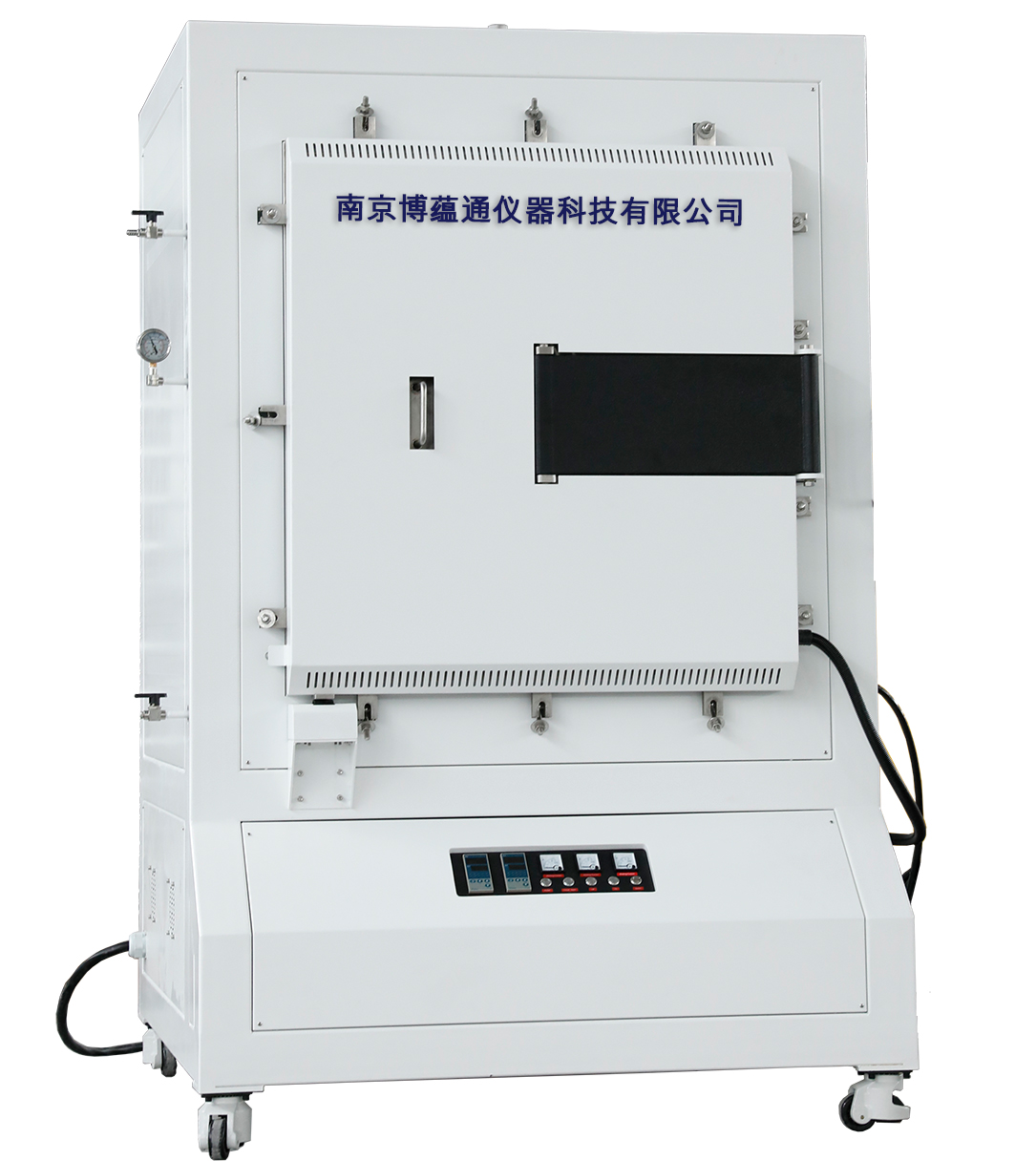
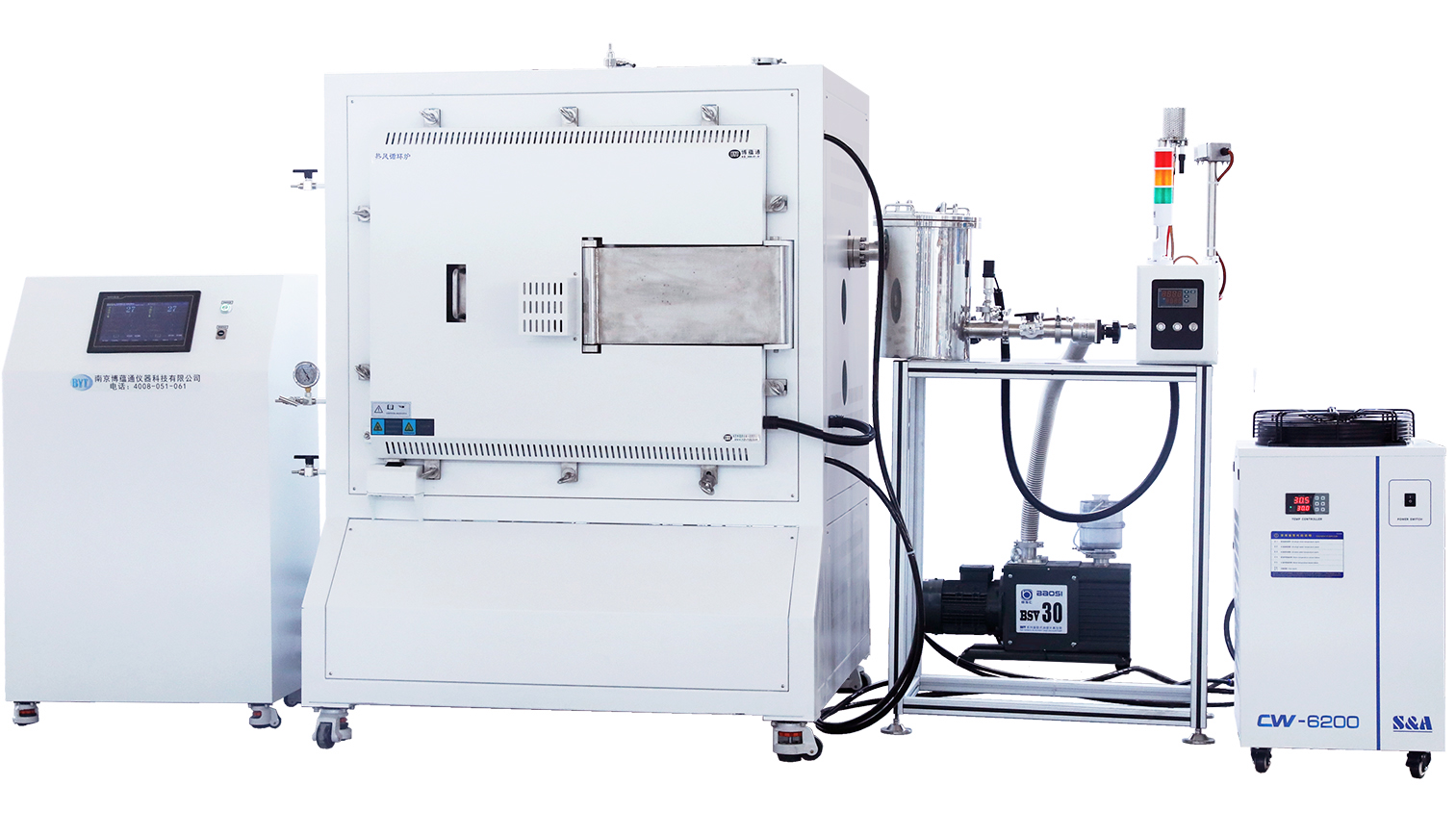
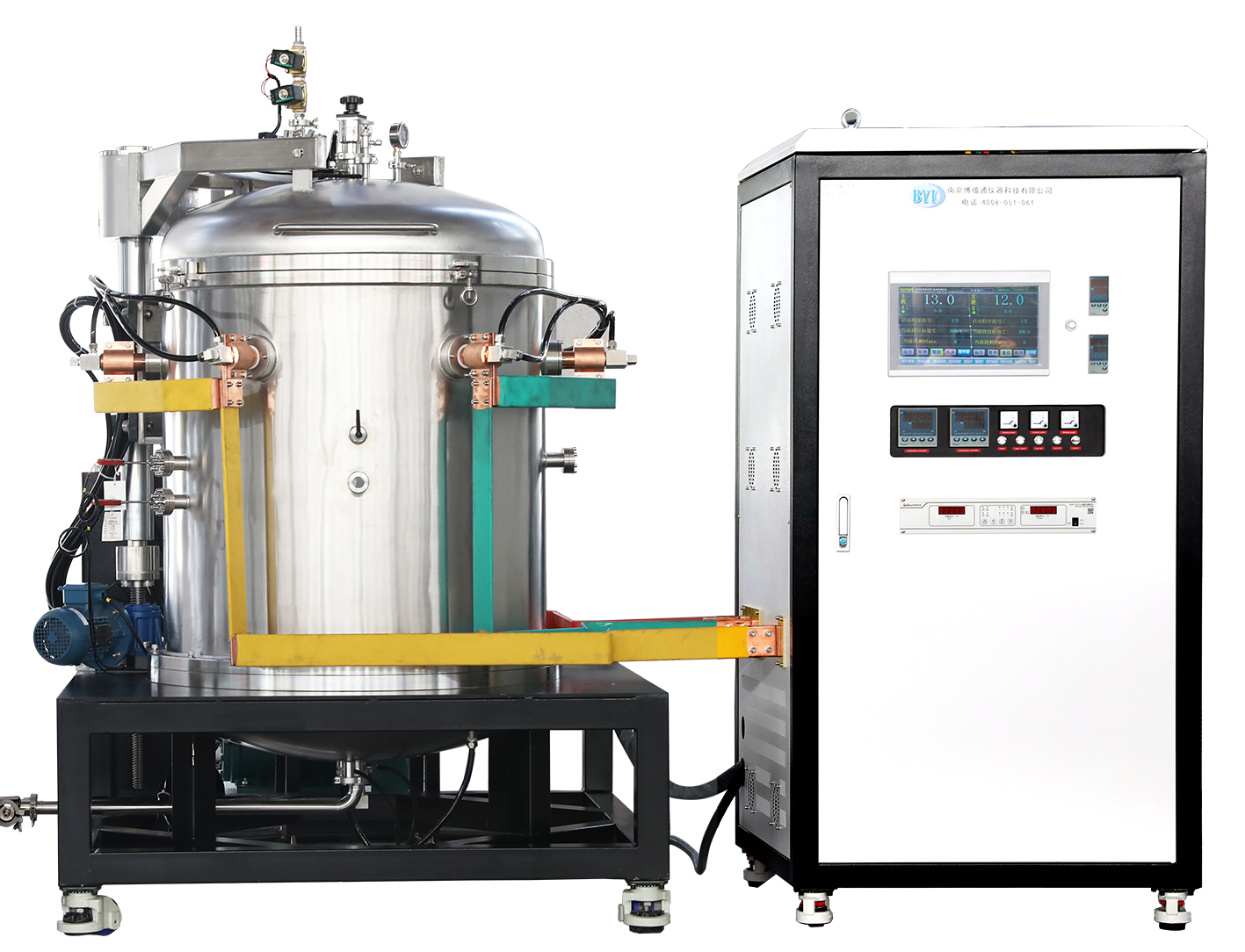
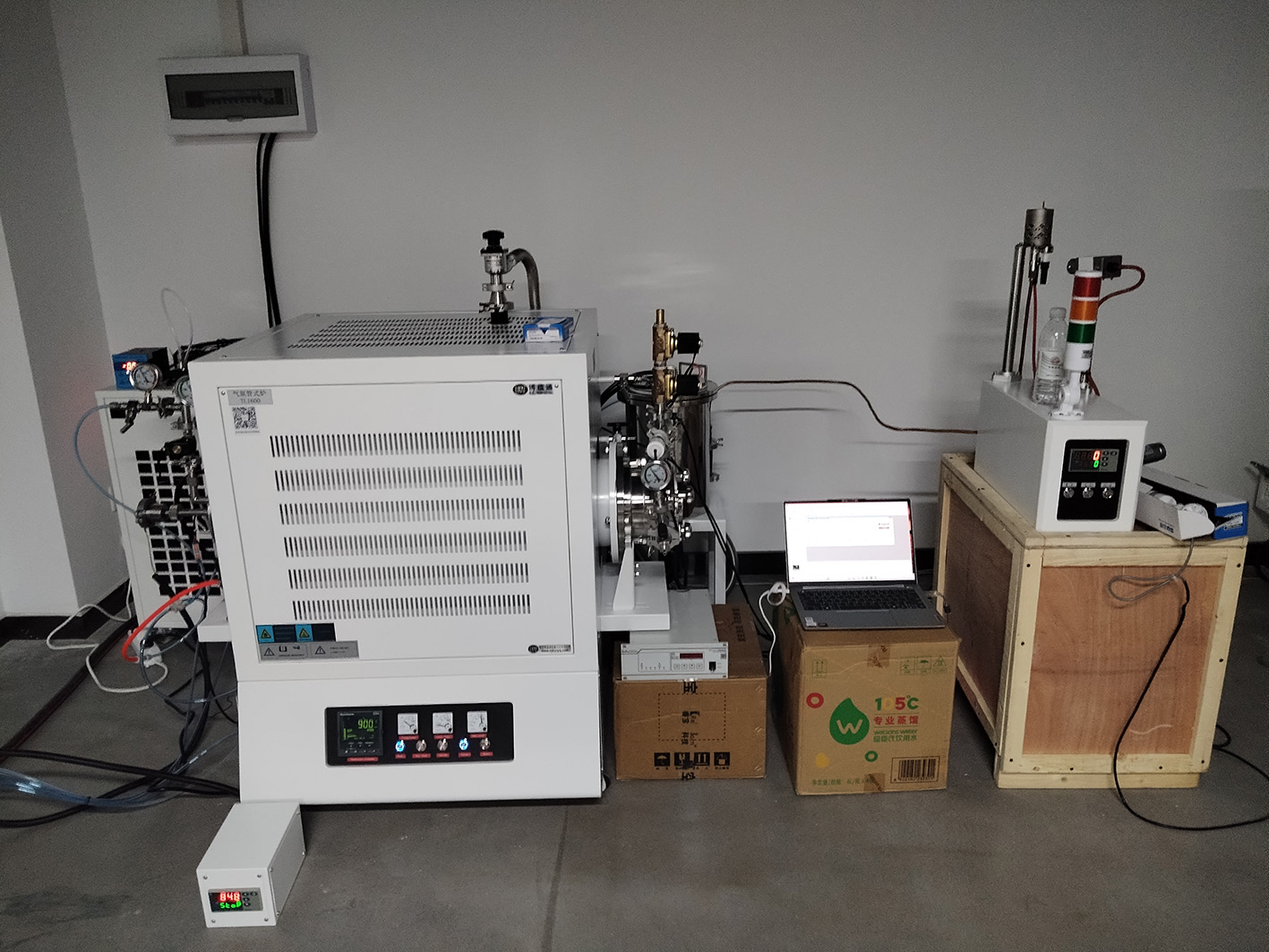
A vacuum atmosphere furnace is a furnace that combines vacuum capability with a controllable gas atmosphere so the same system can support several thermal states.
What a good specification sheet should contain
A useful specification sheet should describe temperature range, working-zone size, atmosphere options, pressure target, heating zone layout, cooling method and utility requirements in one place. Fragmented requirements make it hard to judge whether the furnace really fits the process.
If the job needs multiple atmospheres, purge stages or a defined gas sequence, that logic should appear on the first page of the request. Otherwise the quote can look complete while still missing the control detail that the process actually needs.
What buyers often forget to include
The missing items are usually acceptance criteria, control accuracy, loading pattern, fixture requirements, maintenance access and whether the scope must include installation support. Those items often affect cost more than a single numeric specification does.
This is also where the internal wording matters. If the process involves vacuum plus gas plus cooling plus tooling, say so directly. A vendor can only quote the right system when the process sequence is written in the same language the machine will use.
Key facts
- ✓A specification sheet should describe process, chamber and controls together.
- ✓Vacuum atmosphere systems are often chosen for multi-step thermal sequences.
- ✓Cooling and gas handling can change the machine architecture.
- ✓Acceptance criteria belong in the quote request.
- ✓The most useful documents are written from the process backward.
How to approach the process
- 01
Define the process sequence and atmosphere states.
- 02
State the temperature, chamber and loading requirements.
- 03
Add the pressure, gas and cooling scope.
- 04
List utility and installation constraints.
- 05
Request drawings, utilities and acceptance criteria together.
What to specify before comparing equipment
State the full thermal path, including any vacuum, gas and cooling stages.
Specify the peak temperature and the uniformity band the process must hold.
Say which gases or pressures must be available and in what order.
Give the chamber dimensions, loading pattern and fixture needs.
Add the passing test, power, cooling water and site requirement in the same request.
Useful inputs for a technical inquiry
A clear first inquiry does not require a final specification. It should establish the material, process target and operating constraints so the equipment scope can be reviewed against the application.
- ✓Process sequence and atmosphere states
- ✓Temperature range and uniformity target
- ✓Working zone and loading method
- ✓Utility, cooling and installation constraints
- ✓Acceptance criteria and delivery location
Frequently asked questions
What makes a vacuum atmosphere furnace different from a simple atmosphere furnace?
The vacuum side changes the process sequence and the scope of the pumping and control system.
What should I send before asking for a quote?
Send the process sequence, temperature, atmosphere, chamber size, utilities and acceptance criteria.
Why is the acceptance criterion so important?
Because a quotation is only useful when the supplier knows how the final system will be judged.