In one sentence
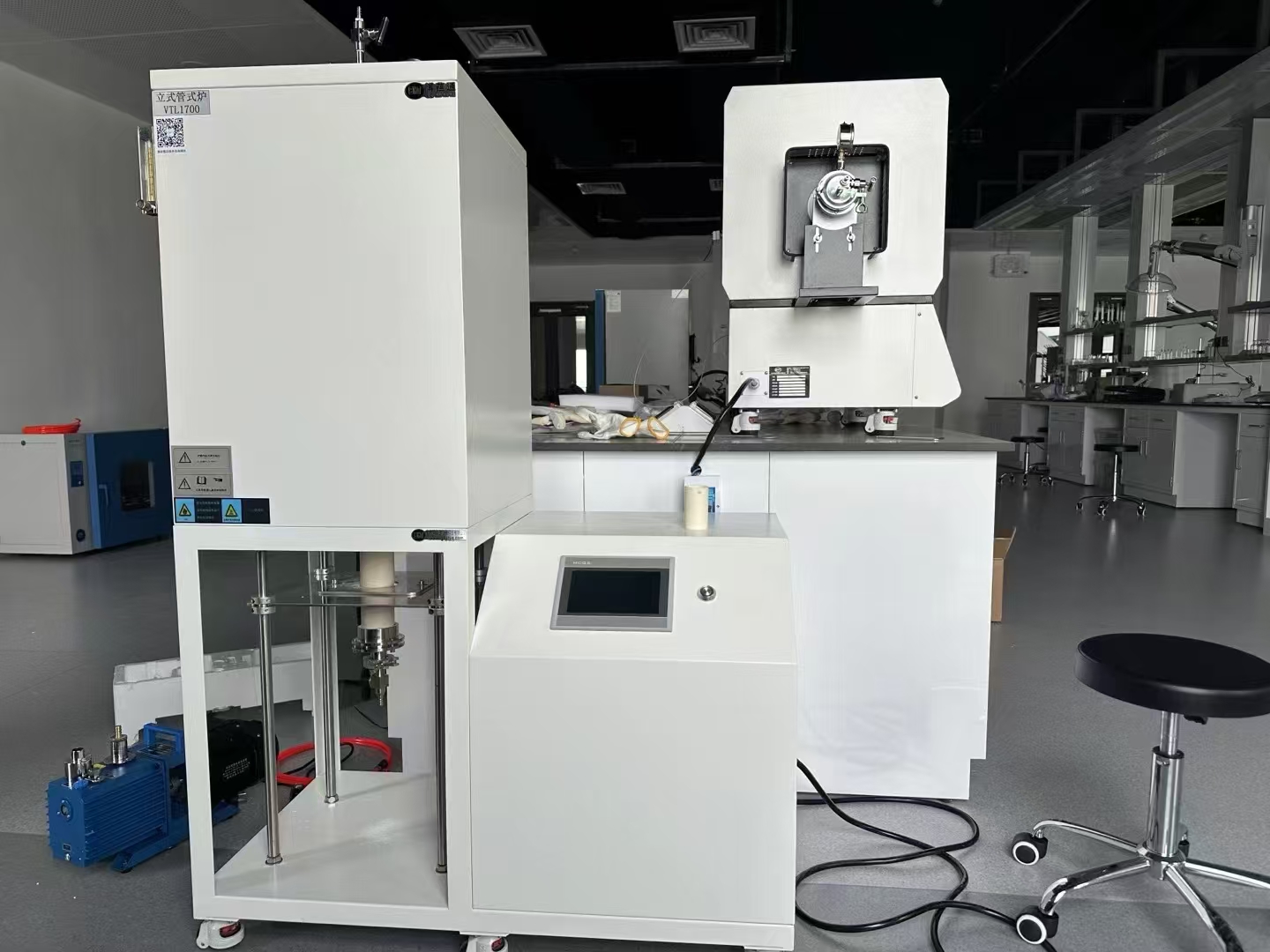
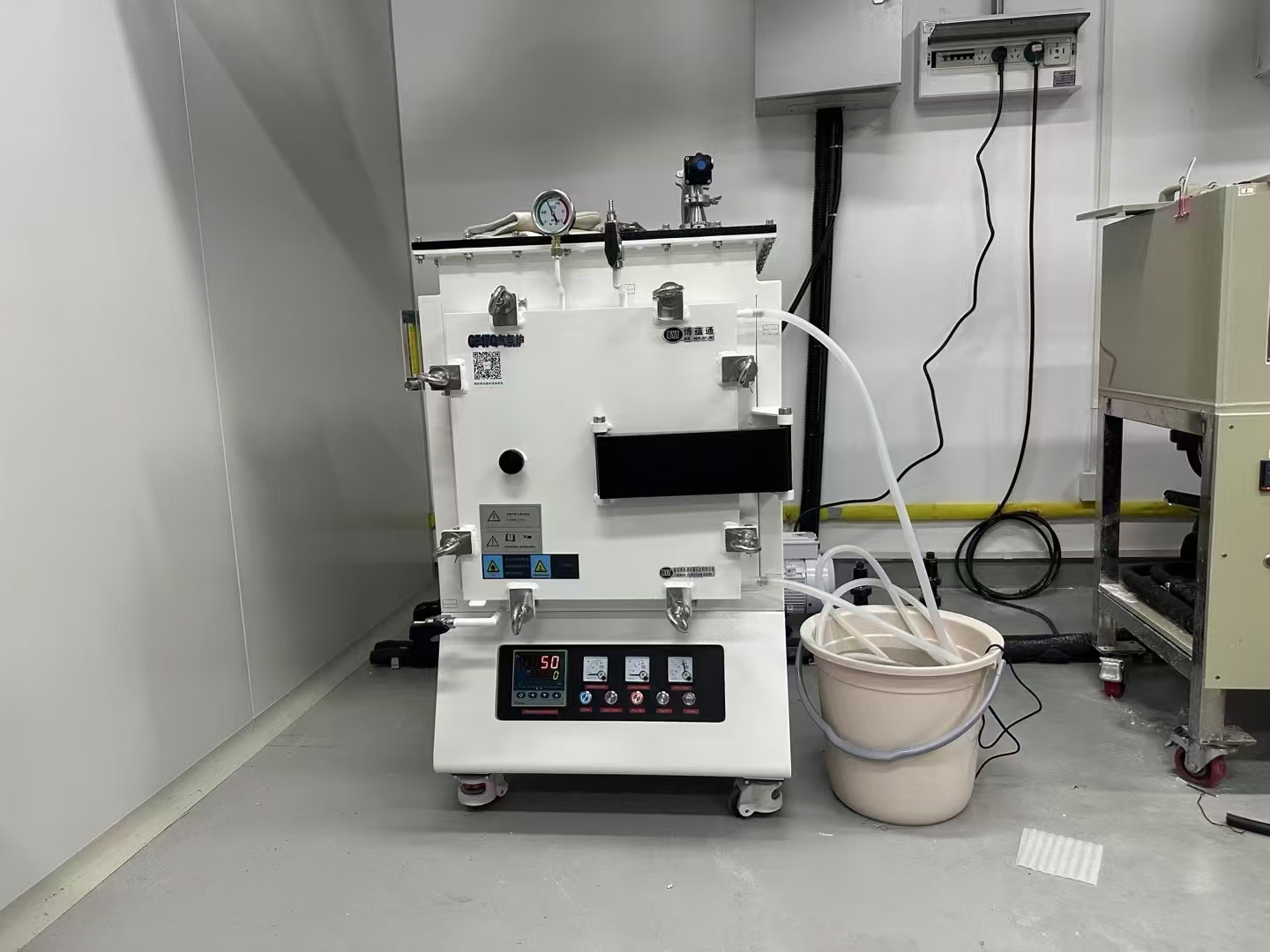
Tube furnace venting is the controlled return of a tube furnace from reduced pressure or a protected atmosphere back to ambient pressure using a defined valve and gas path.
Why tube furnace venting needs a sequence
A tube furnace can be damaged or contaminated if it is opened too fast after a vacuum or protected-atmosphere run. Pressure rise, gas path and temperature all need to be under control before the tube is opened.
The venting sequence should be written the same way every time so the operator knows when to open, when to pause and when to inspect. That repeatability protects both the tube and the sample.
What should be defined before the first cycle
The vent source, valve size, safe pressure rise rate and cooldown point should be written before the furnace is used. If purge gas is involved, the purge order and final opening step should also be clear.
It also helps to define what counts as abnormal pressure change, so the operator can stop and check the tube before the problem becomes a fracture or contamination issue.
Key facts
- ✓Vent rate should match the tube and load.
- ✓Fast opening can damage the tube or disturb the sample.
- ✓Purge order and cooldown should be written before the run.
- ✓Abnormal pressure change should trigger inspection.
- ✓The sequence should be repeatable across operators.
How to approach the process
- 01
Confirm the tube has cooled enough for venting.
- 02
Check the vent gas source and valve setting.
- 03
Open the furnace at the defined pressure rise rate.
- 04
Watch for abnormal pressure or gas behavior.
- 05
Document the cycle and any irregular reading.
What to specify before comparing equipment
Do not vent until the tube is safe for the chosen pressure change.
The vent valve should fit the chamber volume and gas route.
The rate must be slow enough to protect the tube but practical for the cycle.
If purge gas is used, the order should be written and repeatable.
The stop condition should be clear before the tube is opened.
Useful inputs for a technical inquiry
A clear first inquiry does not require a final specification. It should establish the material, process target and operating constraints so the equipment scope can be reviewed against the application.
- ✓Tube furnace model and chamber volume
- ✓Vent gas source and valve size
- ✓Safe pressure rise rate
- ✓Cooldown limit and purge order
- ✓Operator and shutdown responsibility
Frequently asked questions
Why is venting risky in a tube furnace?
Because a fast pressure change can stress the tube and disturb the sample.
Should the vent sequence be written down?
Yes. Repeatability and safety both depend on it.
Does valve sizing matter?
Yes. It affects how quickly the chamber returns to atmosphere.