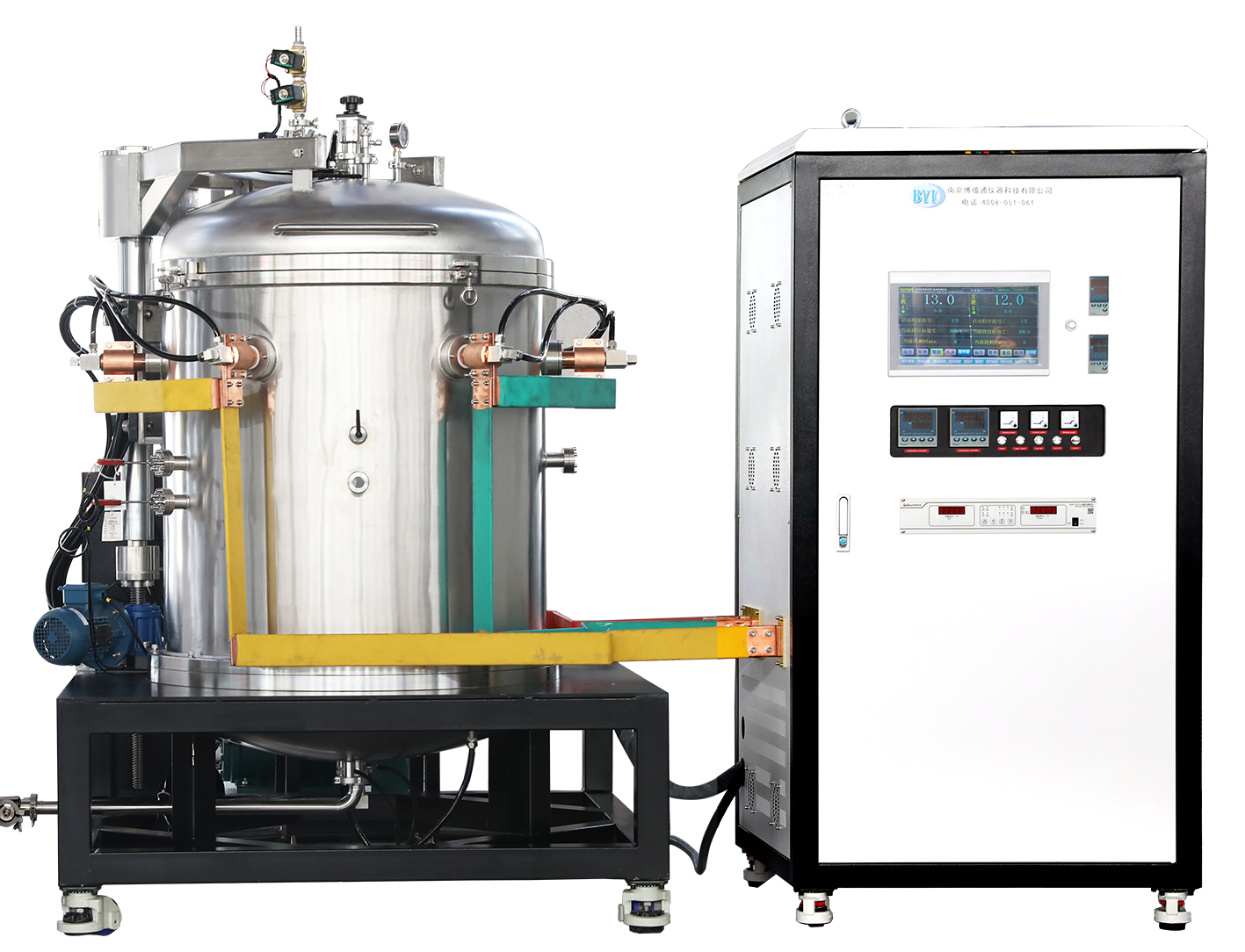
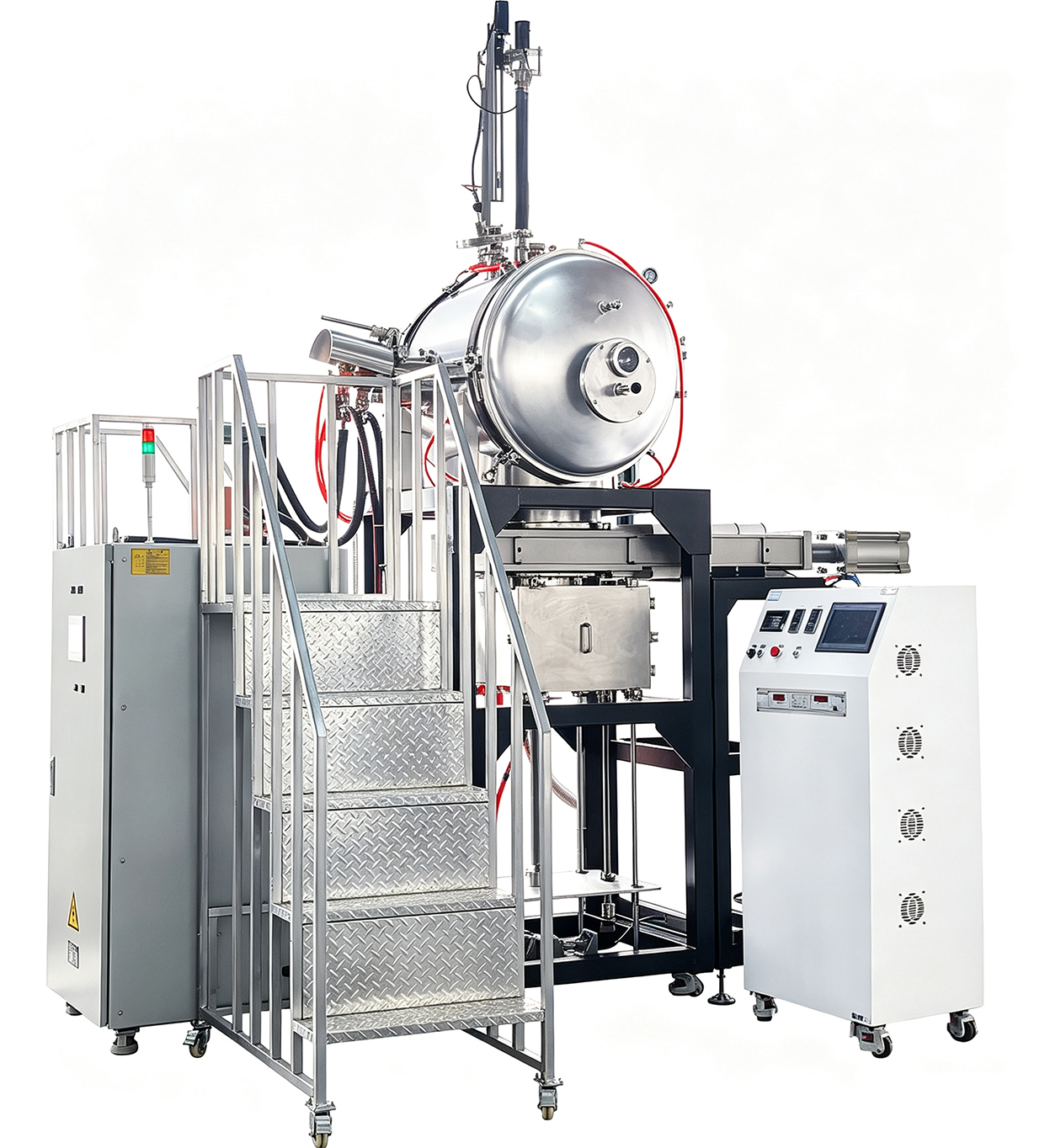
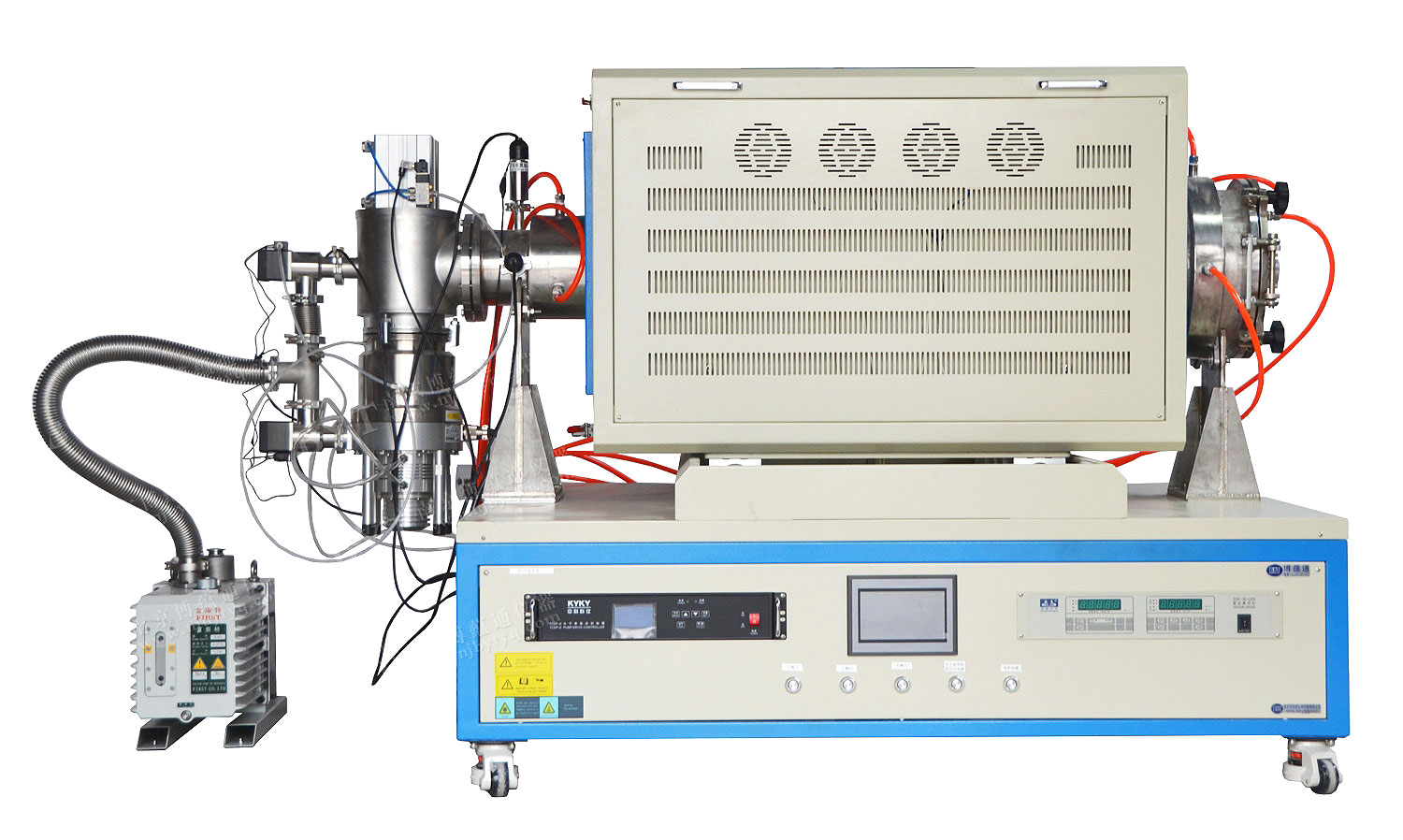
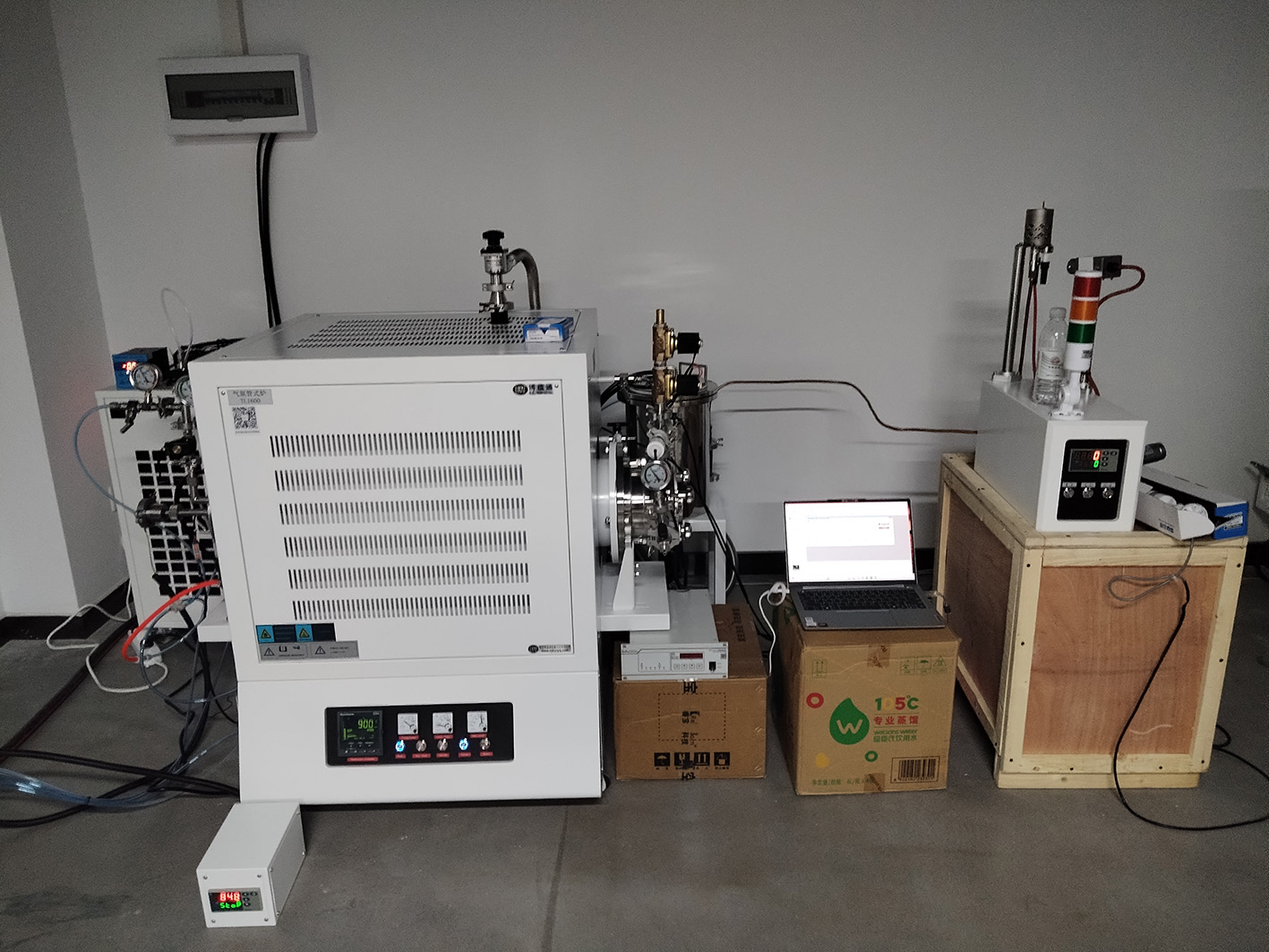
In one sentence
A vacuum furnace is a sealed thermal system that heats parts under reduced pressure so oxidation, contamination and unwanted reactions stay under tighter control.
What a vacuum furnace actually changes
The main advantage is not heat alone. It is the ability to combine temperature control with a low-oxygen, low-contamination environment, which matters when surface finish, chemistry or post-process purity is part of the requirement.
That is why the same furnace family can be used for sintering, melting, brazing, purification and special heat-treatment work. The process question should therefore be written first, and the equipment configuration should follow from it.
What to specify before you ask for a quotation
A useful inquiry should state the material, batch size, part geometry, target temperature, hold time, vacuum level, gas requirements and cooling expectations together. Leaving any one of those out usually forces a second round of clarification.
When the request also includes utilities, delivery location and acceptance criteria, the vendor can judge whether the chamber, pumping system, controls and tooling belong in the same scope or need separate options.
Key facts
- ✓Vacuum furnaces are process tools, not just high-temperature boxes.
- ✓The required vacuum level depends on the material system and the reaction risk.
- ✓Gas handling, pumping and cooling should be quoted together.
- ✓The right chamber is sized from the real load, not only the final product diameter.
- ✓Acceptance criteria should be defined before the quotation is finalized.
How to approach the process
- 01
Describe the process objective in one sentence.
- 02
List the material, part geometry and batch weight.
- 03
State the thermal window, vacuum level and gas needs.
- 04
Confirm chamber size, pumping scope and cooling method.
- 05
Ask for drawings, utility notes and acceptance points.
What to specify before comparing equipment
Write whether the job is sintering, melting, brazing, purification or another thermal step.
State the peak temperature, hold time and any uniformity requirement in the same request.
Clarify target pressure, backfill gas and whether the system must support multiple gas states.
Define cooling speed, measurement points, utilities and what counts as a passing test.
Give the usable chamber dimensions, fixtures and loading pattern so the quoted size fits the real job.
Useful inputs for a technical inquiry
A clear first inquiry does not require a final specification. It should establish the material, process target and operating constraints so the equipment scope can be reviewed against the application.
- ✓Material, part geometry and batch weight
- ✓Target temperature, hold time and heating profile
- ✓Vacuum level, gas requirement and cooling preference
- ✓Working zone, tooling and loading arrangement
- ✓Utilities, delivery location and acceptance requirement
Frequently asked questions
What is the biggest difference between a vacuum furnace and a regular furnace?
A vacuum furnace controls the atmosphere as part of the process, which reduces oxidation and makes the thermal result more repeatable.
What information should I send first?
Send the material, part size, batch weight, temperature, atmosphere or vacuum target and the expected use case.
Does the furnace scope include pumps and controls?
It should be discussed explicitly, because those items often decide whether the quoted system is complete or only the heating chamber.