In one sentence
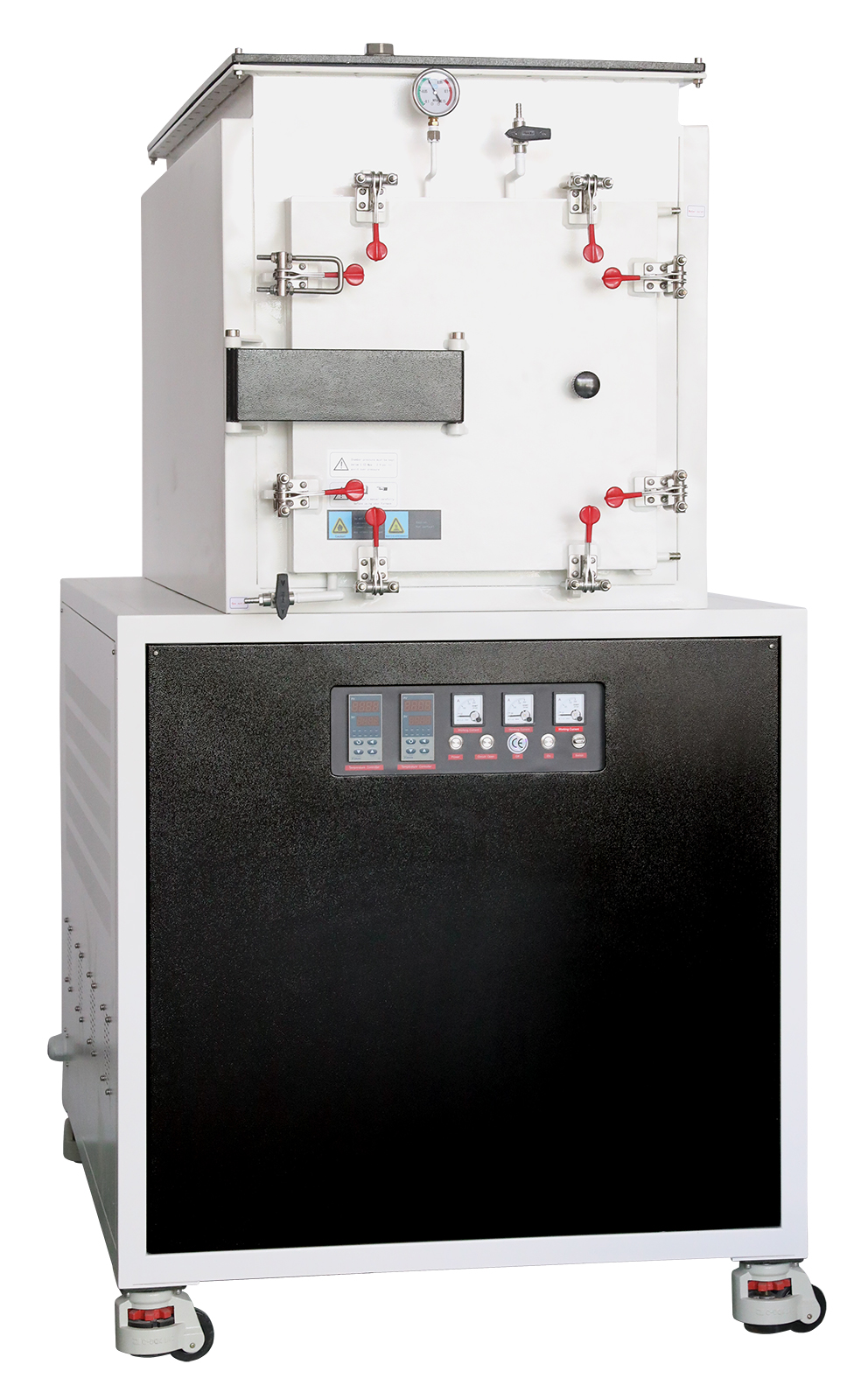
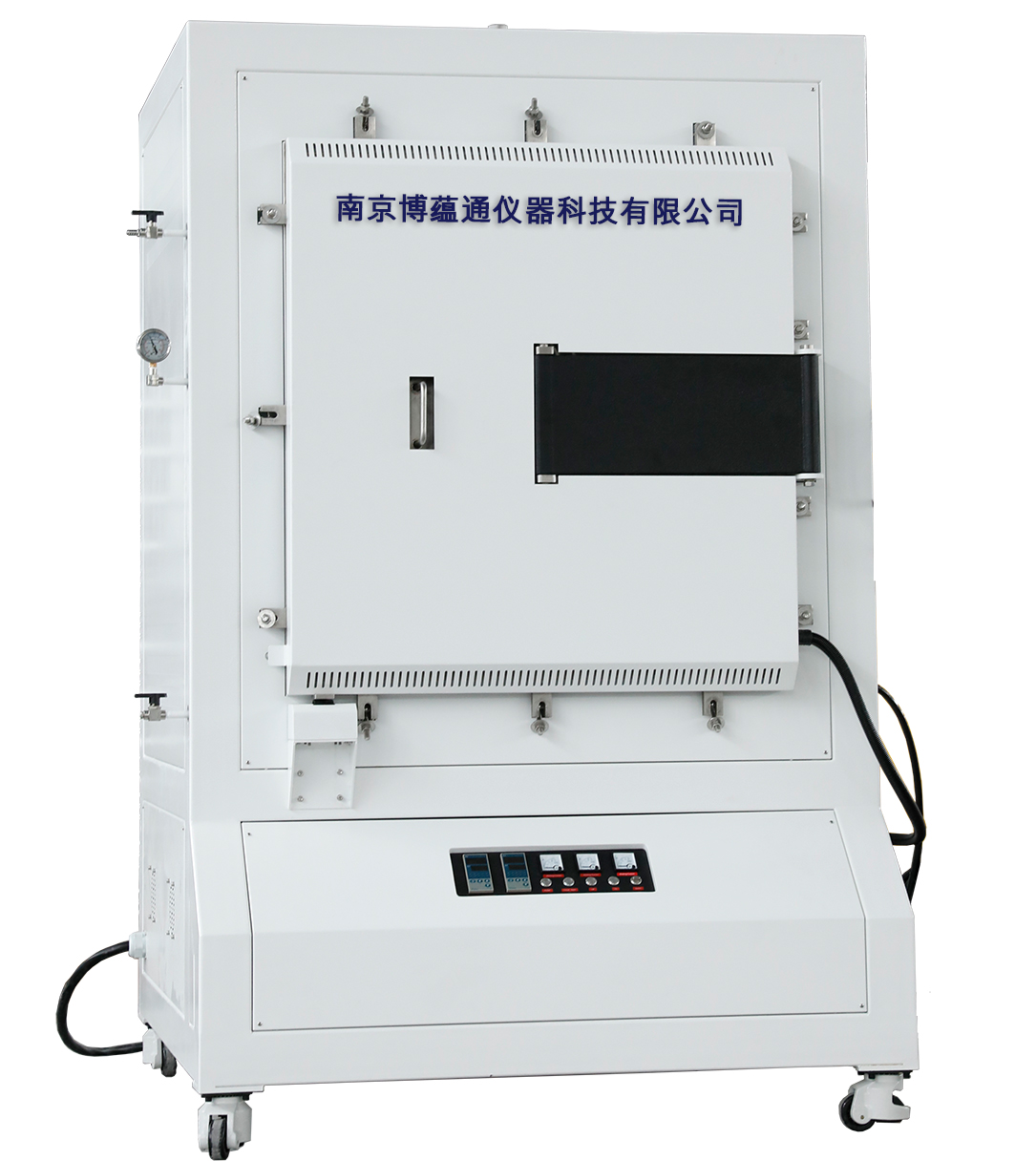
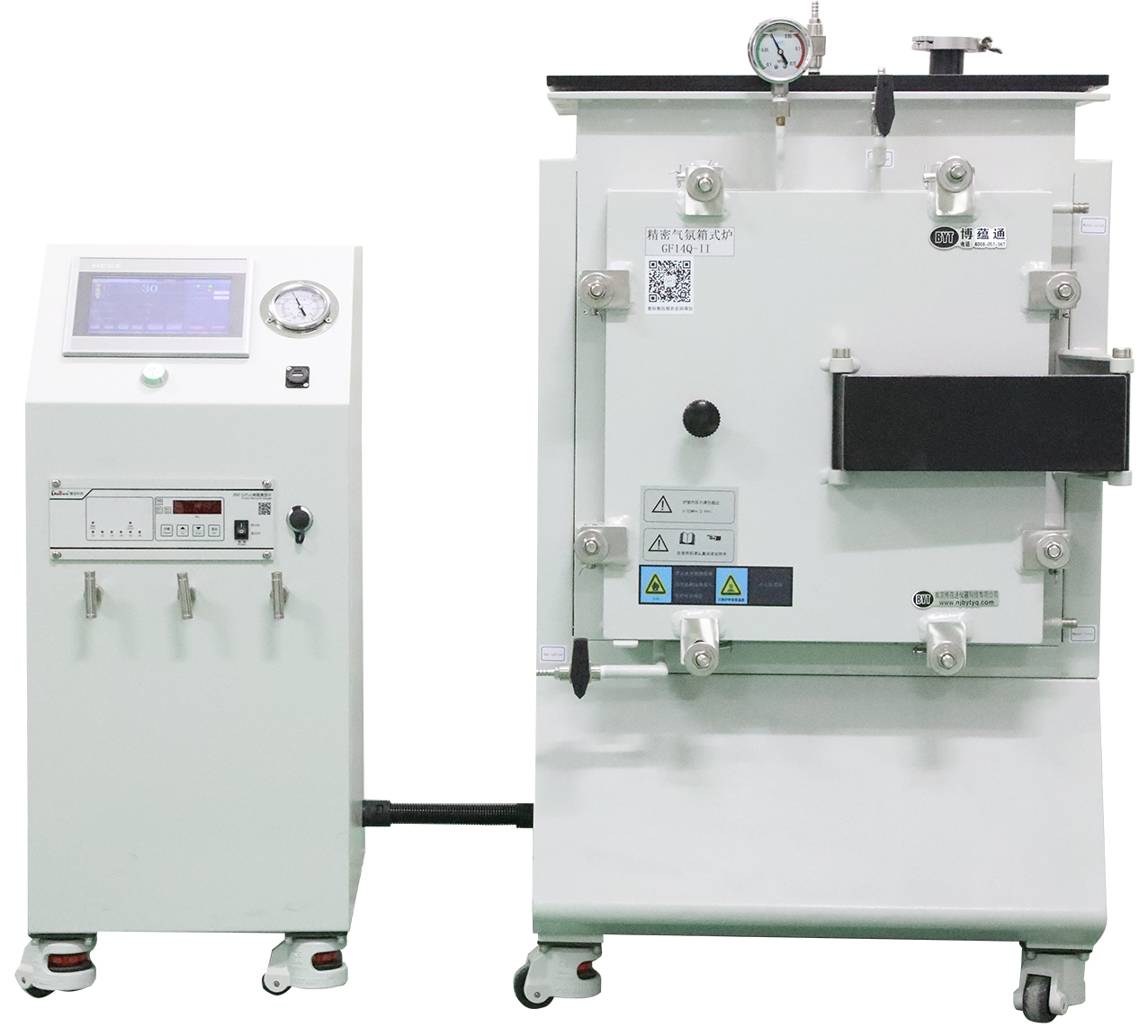
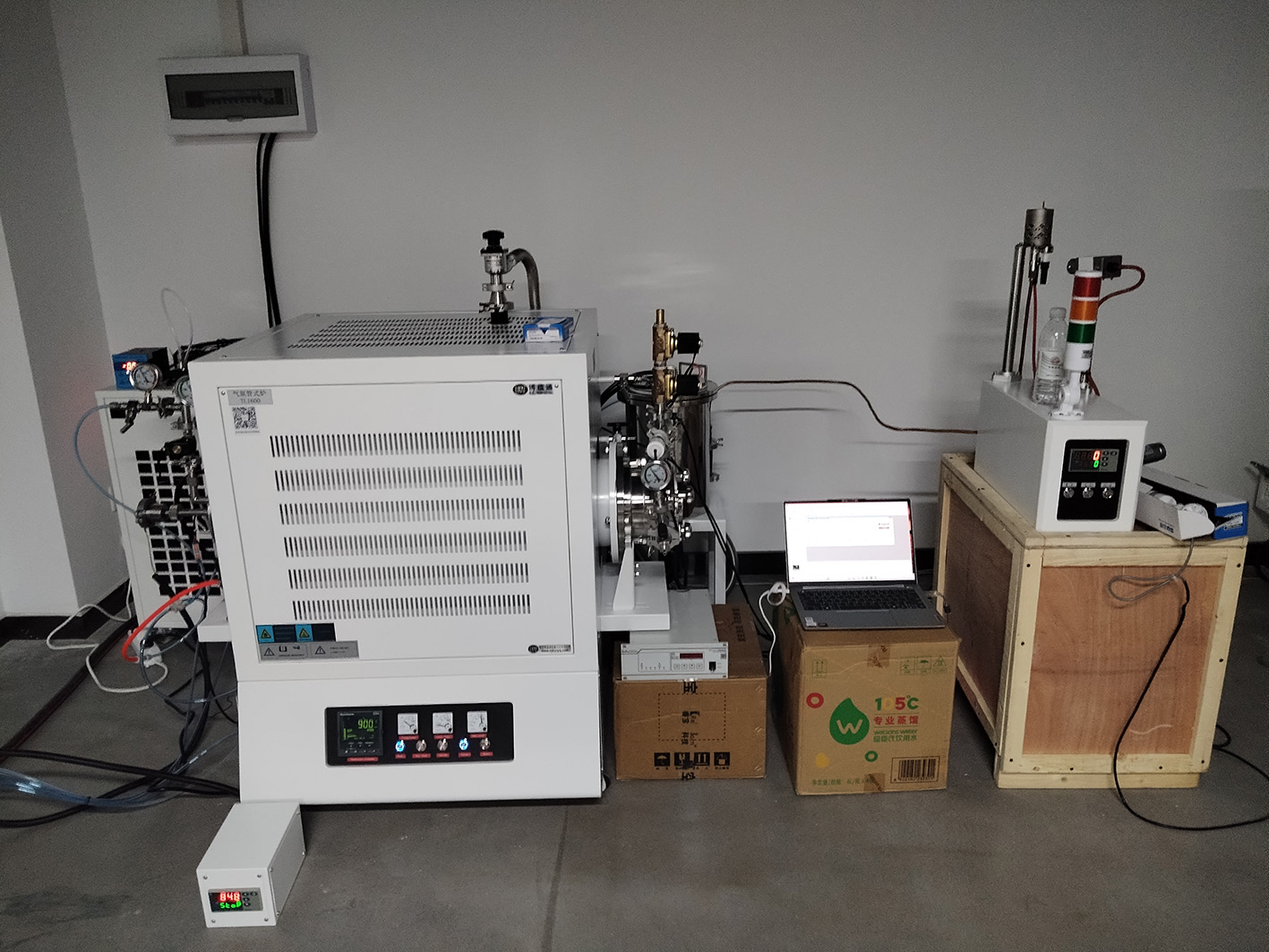
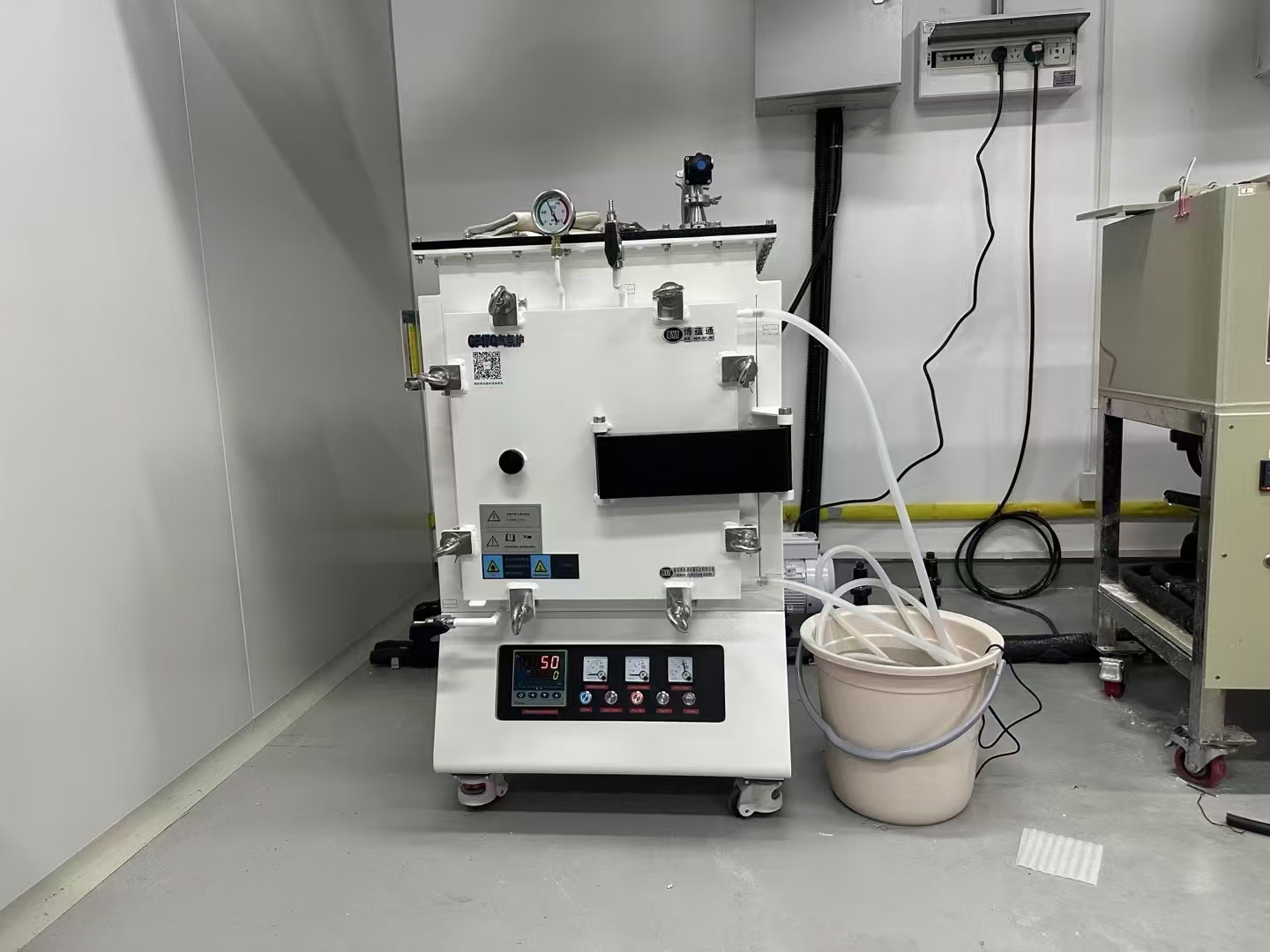
Vacuum nitriding is a surface-hardening route that combines vacuum preparation, controlled nitrogen introduction and thermal holding in a box furnace or atmosphere furnace chamber.
What the process is trying to control
Vacuum nitriding is used when the team wants a harder surface layer while keeping distortion and contamination under control. The process is not just about adding nitrogen; it is about managing how the material takes up nitrogen under a defined thermal and atmospheric path.
That means the furnace scope has to cover vacuum preparation, gas handling, temperature control and part support together. If one of those parts is vague, the result can drift even when the furnace itself reaches the right temperature.
What should be defined before a quotation
The first inquiry should state the material, batch size, target case depth or hardness result, atmosphere sequence, temperature window and any load or fixturing limit. It should also say how the result will be measured, because a nitriding quote is only useful when the acceptance test is clear.
For box atmosphere furnaces, the chamber layout and gas sequence matter just as much as the heater. A practical scope should tell the supplier whether the project needs a new process route, an upgraded atmosphere package or a custom system built around the nitriding cycle.
Key facts
- ✓Vacuum preparation changes the cleanliness of the nitriding cycle.
- ✓Nitrogen flow alone does not define the result.
- ✓Case depth, hardness and distortion must be discussed together.
- ✓Fixturing and loading can change the surface outcome.
- ✓Measurement method should be written into the first request.
How to approach the process
- 01
Define the material and surface-hardening target.
- 02
State the temperature, atmosphere and vacuum sequence.
- 03
Confirm batch size, fixtures and chamber layout.
- 04
Set the acceptance measurement for case depth or hardness.
- 05
Request a process review before finalizing the equipment scope.
What to specify before comparing equipment
State the alloy and the hardness or case-depth result that the nitriding cycle must achieve.
Describe the vacuum prep, nitrogen introduction and any purge steps in order.
Give the batch size, part geometry and support method so the process is repeatable.
Specify the process window because nitriding results depend on time as well as gas.
Explain how the treated parts will be measured and accepted after the cycle.
Useful inputs for a technical inquiry
A clear first inquiry does not require a final specification. It should establish the material, process target and operating constraints so the equipment scope can be reviewed against the application.
- ✓Material grade and target surface result
- ✓Temperature window and hold-time expectation
- ✓Vacuum level and nitrogen sequence
- ✓Batch size, fixtures and chamber size
- ✓Measurement method and acceptance criteria
Frequently asked questions
Is vacuum nitriding just a gas-setting change?
No. The vacuum preparation, thermal profile and loading method all influence the result.
What should I send before asking for a quote?
Send the material, target hardness or case depth, batch size, temperature window and acceptance method.
Why does fixturing matter?
Because part support changes gas access, thermal behavior and final surface quality.