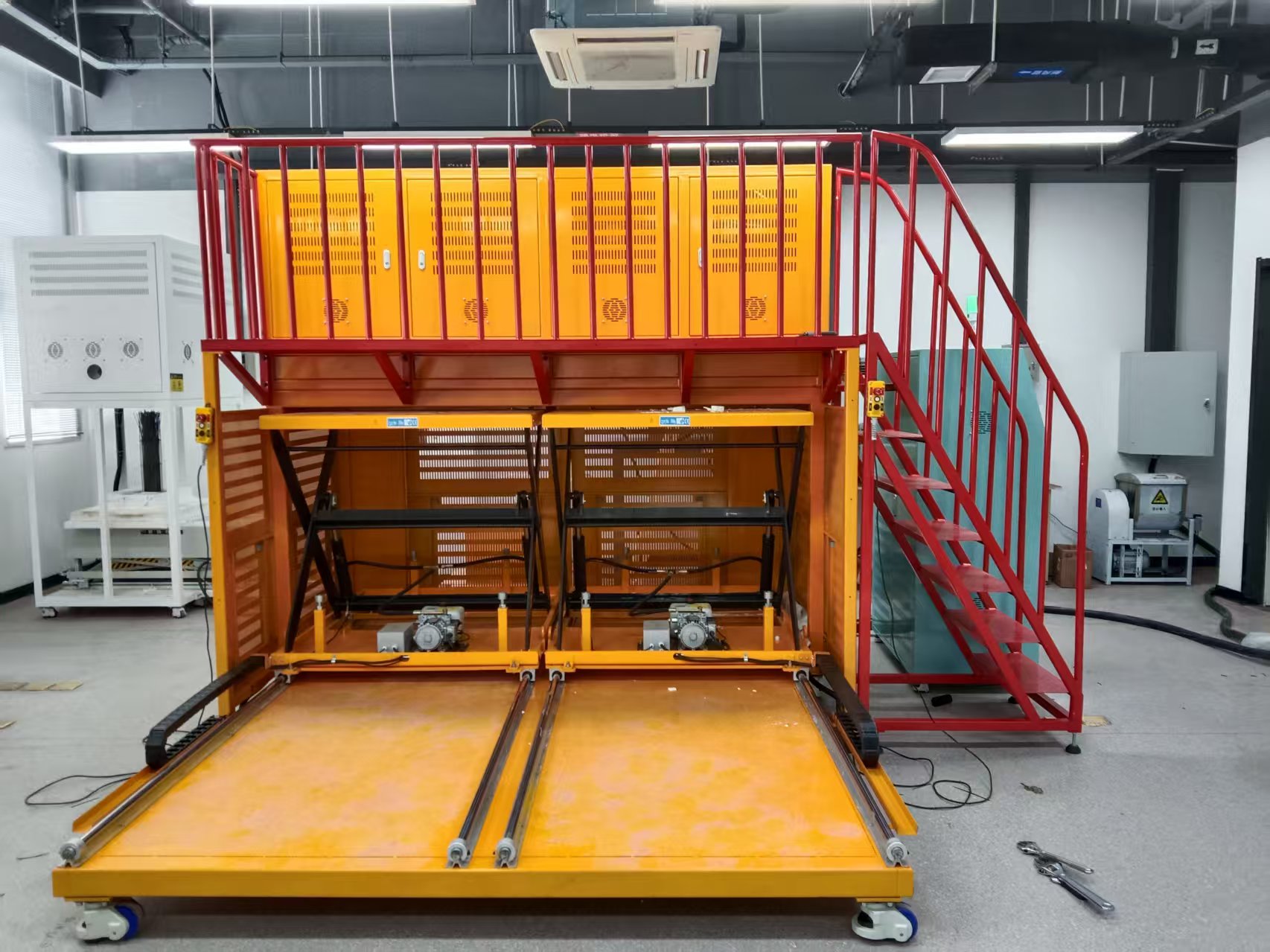
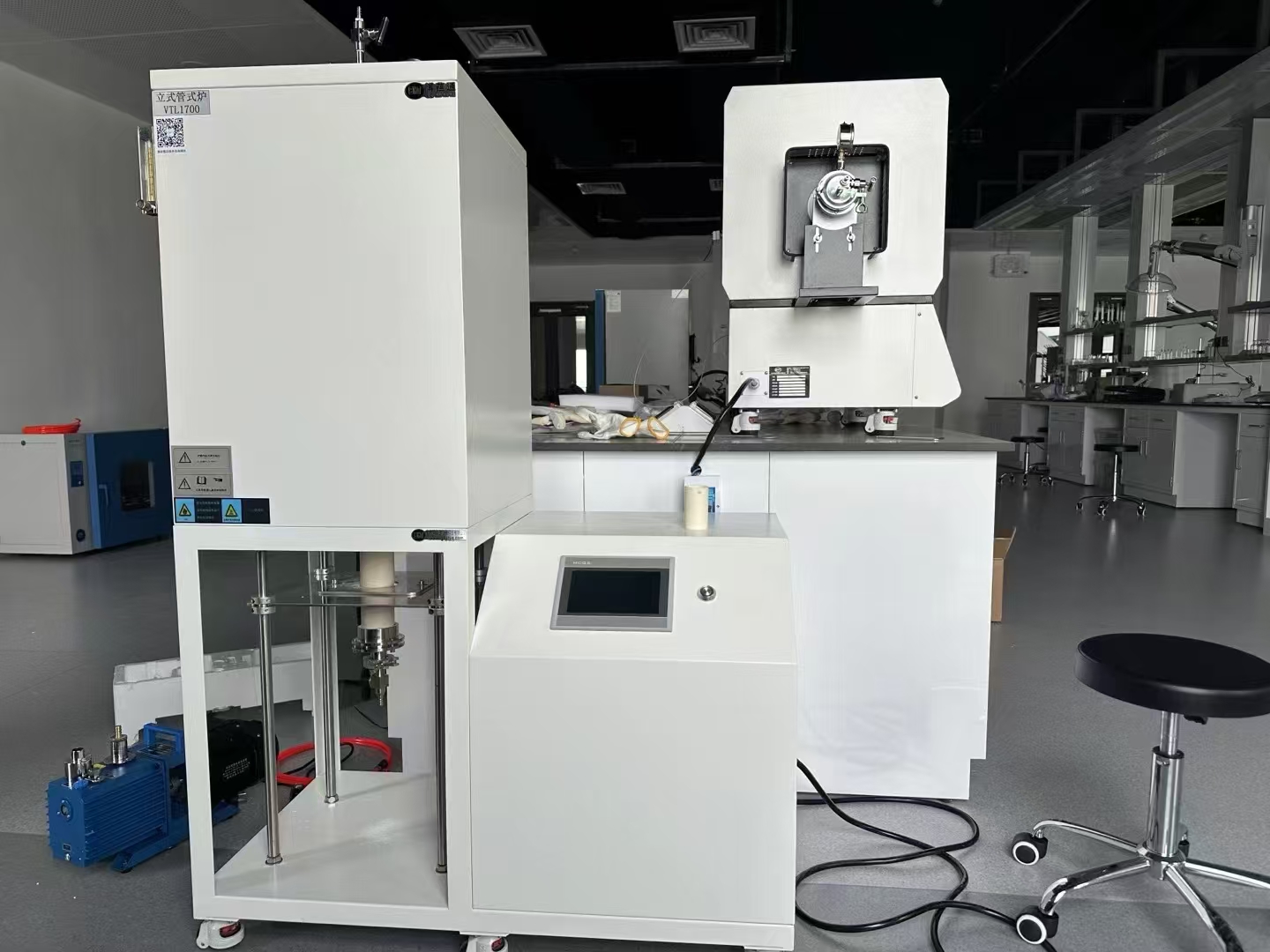
In one sentence
Indoor high-temperature furnace use means operating a heat source inside a building where ventilation, clearances, fire protection and utility limits must all be checked together.
Which indoor risks matter first
Indoor use adds ventilation, heat rejection and fire-safety issues on top of the furnace itself. The room, not just the furnace, has to be able to handle the heat, exhaust and operator movement around the equipment.
If the clearance, electrical feed or exhaust path is wrong, the machine can still run but the installation becomes unsafe or difficult to maintain. That is why room layout belongs in the selection process.
What should be checked before installation
Confirm the room size, door path, floor load, ventilation, power, exhaust, extinguishing access and service space before the furnace arrives. A proper indoor plan also shows what happens when the chamber is opened hot or the atmosphere is vented.
The operator should know where to stand, what the emergency path is and how far hot surfaces extend from the machine. Those simple details often decide whether the furnace is practical indoors.
Key facts
- ✓Indoor furnace use requires room-level safety planning.
- ✓Ventilation and exhaust matter as much as power supply.
- ✓Clearance and service access affect both safety and maintenance.
- ✓Hot openings and venting create room-scale heat risk.
- ✓The installation layout should be approved before delivery.
How to approach the process
- 01
Check the room size, power and exhaust path.
- 02
Verify floor load, clearance and operator access.
- 03
Confirm ventilation and fire protection.
- 04
Plan the hot-open and venting sequence.
- 05
Approve the layout before installation.
What to specify before comparing equipment
The room must handle heat and exhaust from the furnace cycle.
Leave enough room for safe operation, loading and maintenance.
Utilities should be checked before the furnace is placed indoors.
The room should match the risk from hot surfaces and venting.
People must be able to work without standing in the hot zone.
Useful inputs for a technical inquiry
A clear first inquiry does not require a final specification. It should establish the material, process target and operating constraints so the equipment scope can be reviewed against the application.
- ✓Room size and floor load
- ✓Ventilation and exhaust plan
- ✓Power and gas utilities
- ✓Operator access and clearance
- ✓Fire protection and emergency path
Frequently asked questions
Can a furnace be used indoors safely?
Yes, if the room ventilation, clearance and fire protection are designed for it.
What is usually forgotten?
Service space and the hot-open or venting path are commonly missed.
Does the room need its own safety review?
Yes. The furnace may be safe while the room is not.