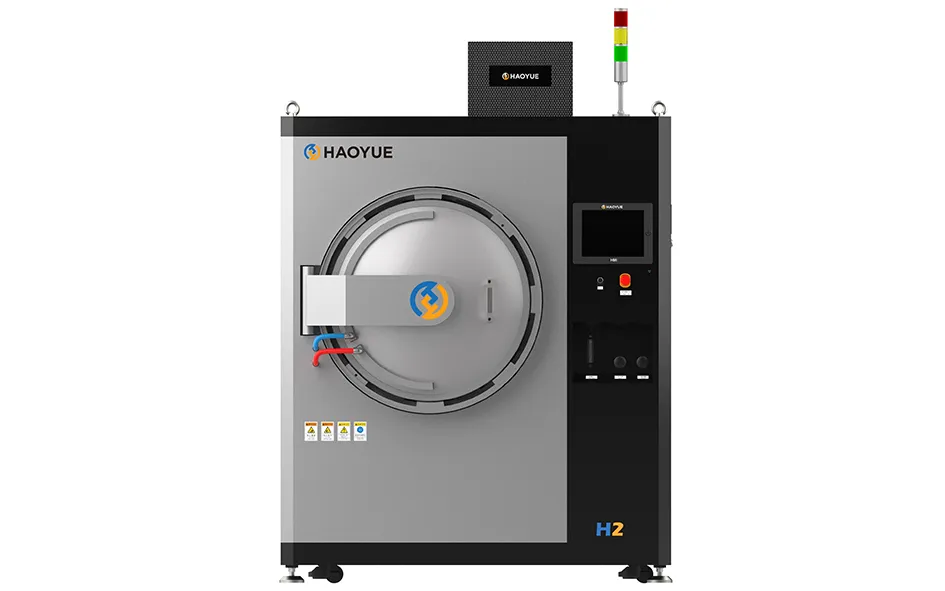
In the competitive world of medical device manufacturing, ensuring the highest quality and consistency of metal parts is paramount. Yet, many manufacturers face persistent challenges such as inconsistent sintering quality, oxidation, and contamination, which can lead to costly compliance issues with standards like ISO 13485 or FDA regulations. Vacuum sintering furnaces offer a reliable solution to these problems, providing precision and consistency crucial for high-quality medical components.
Why Vacuum Sintering Furnaces Are Critical for High-Precision MIM Parts
Vacuum sintering furnaces are indispensable in the production of metal injection molding (MIM) parts, where high precision is non-negotiable. These furnaces provide a controlled environment that minimizes oxidation and contamination, ensuring that each part meets exacting standards. By using high-temperature sintering equipment, manufacturers can achieve optimal material properties, including enhanced strength and wear resistance.
Technical Features and Industrial Applications
Key features of vacuum sintering furnaces include temperature uniformity within ±1°C, vacuum levels reaching 10⁻⁶ mbar, and repeatable cycle consistency. These parameters are crucial for applications in aerospace, medical, and automotive industries, where material integrity and part reliability are critical.
Key Features to Look for in a Hydrogen Molybdenum Furnace
Hydrogen molybdenum furnaces are tailored for applications requiring high-temperature sintering with a controlled atmosphere. These furnaces excel in preventing oxidation and ensuring the purity of parts, which is vital for compliance with medical and aerospace standards such as Nadcap and AMS.
Ensuring Compliance and Quality Control
Compliance with industry standards is non-negotiable in sectors like medical and aerospace. Hydrogen molybdenum furnaces help manufacturers meet stringent standards by providing a clean, controlled environment that ensures the integrity of high-precision joining and diffusion bonding processes.
Addressing Common Production Challenges with Vacuum Heat Treatment
Vacuum heat treatment is a game-changer for solving production challenges such as inconsistent part quality and high energy costs. By utilizing advanced vacuum technology, manufacturers can achieve superior process stability, enhanced product quality, and improved yield rates, all while reducing operational costs.
Enhancing Efficiency and Reducing Costs
With vacuum heat treatment, manufacturers can benefit from energy-efficient designs that lower operational costs. These systems also support automated batch consistency, reducing the need for manual intervention and minimizing the potential for human error.
For custom sintering solutions tailored to your production needs, reach out to our engineering team to discuss your project requirements. Whether you’re looking to improve process stability, product quality, or compliance, our state-of-the-art vacuum furnace technology is designed to meet the most demanding industrial standards.